

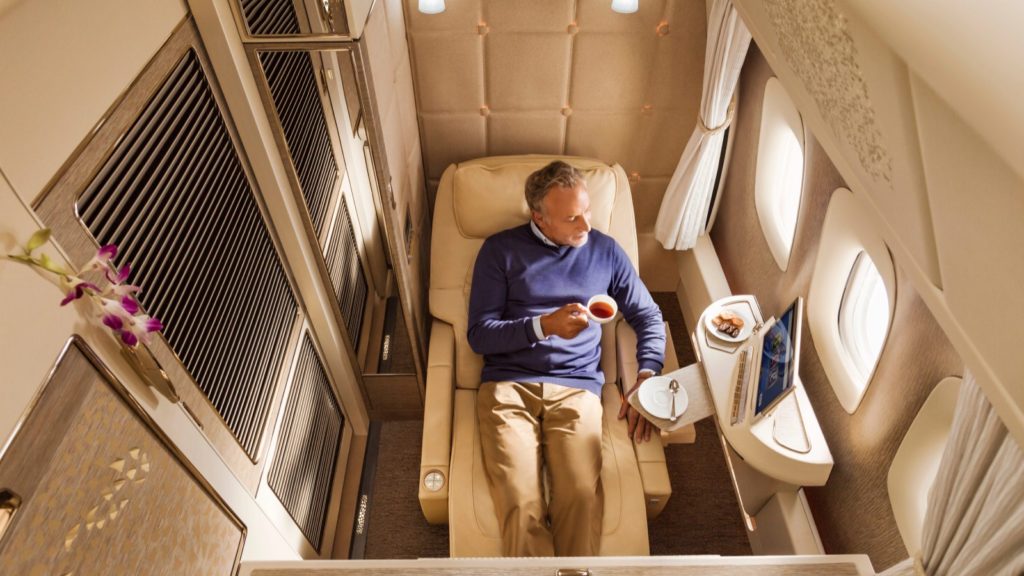
For the most part, free flight upgrades in Australia are the stuff of urban legends. You’ve probably heard whispers of it wafting through airport terminals, but never encountered one yourself.
Yet, free upgrades to premium cabins do exist. It’s just that airlines understandably don’t want to give them out without a great reason, for fear that it devalues their premium cabin products for actual paying customers.
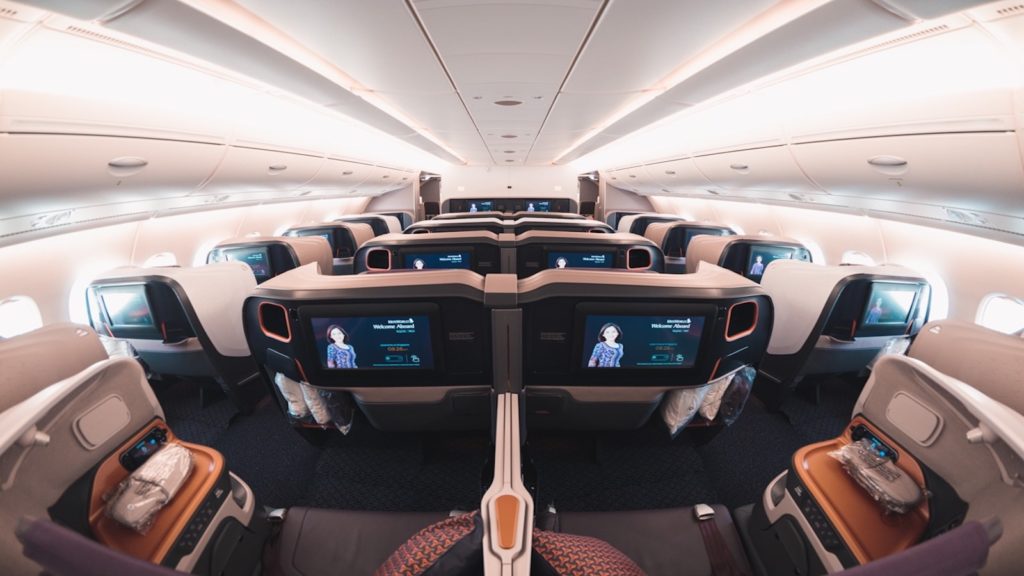
With that in mind, we’ll explain how exactly these free upgrades usually work, and why the tips you’ve read in the mainstream media, such as dressing up for the flight, probably won’t get you anywhere on their own.
Also, it’s best to temper your expectations now. Free upgrades are extremely rare, so the best approach is to pay for an upgrade with cash or points or book into the higher cabin class directly.
Why would an airline want to give out a free upgrade?
1. Discretionary or loyalty upgrades
In the US, loyal frequent flyers can automatically be considered for complimentary upgrades on short domestic flights as a published benefit – particularly with the big names American Airlines, Delta and United.
That’s not the case in most other countries. Here, you should expect to use your frequent flyer points or bid some cash for a shot at the upgrade, even with domestic trunk routes such as Sydney-Melbourne.
Having said that, Qantas has occasionally surprised and delighted Platinum frequent flyers (and higher) with complimentary upgrades on quieter flights for loyalty, rather than operational reasons. But these treats are few and far between.
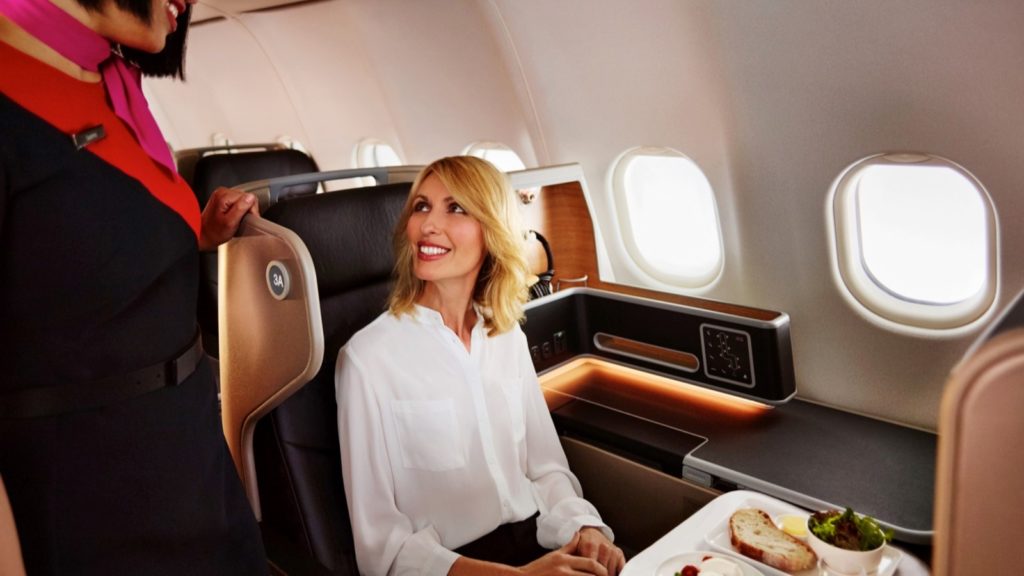
International airline policies on complimentary upgrades can be very different too, ranging from lenient to a strict ‘computer-says-no’.
For example, Qatar Airways has been known to treat its high-flying Platinum members to an occasional First Class upgrade from Business Class on the Airbus A380. But Singapore Airlines is said to be notoriously strict on discretionary free upgrades… unless you’re a Solitaire PPS Club member flying close to your birthday *wink*.
2. Operationally-necessary upgrades
If you do get tapped for a cabin change before boarding, or even onboard, chances are you’ve been given an operational upgrade or op-up for short. This is industry-speak for free upgrades that are operationally needed.
For example, the lower cabin class might be overbooked, or perhaps a seat is faulty and someone needs to be moved up. In extreme cases, an aircraft change could result in fewer Economy Class seats being available while Business Class has some spare seats available.
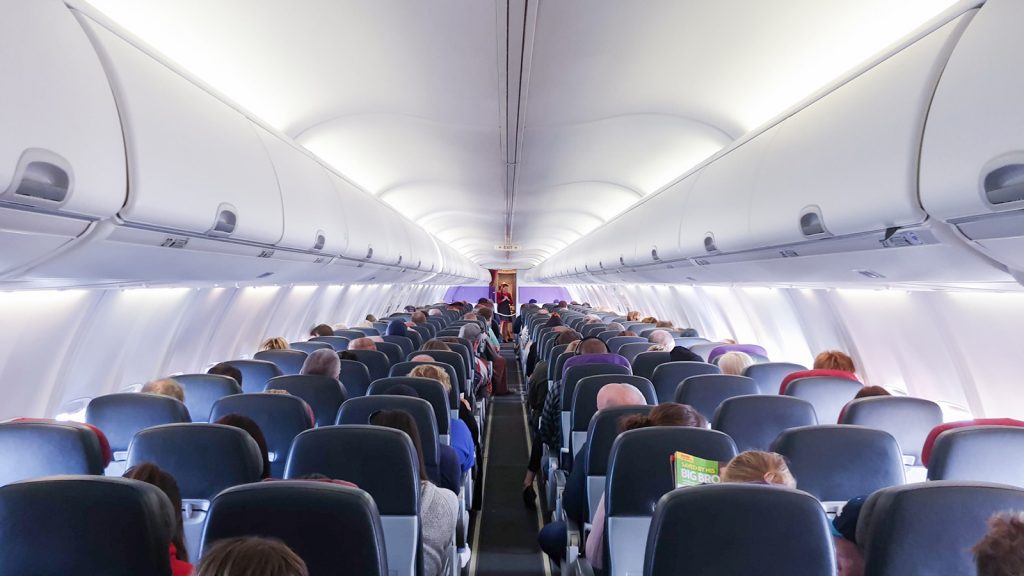
Doing so frees up space in the lower cabin class to accommodate the overbooked passengers. You get to enjoy the benefits of an upgraded cabin class. It’s generally a win-win situation for all.
Sometimes, op-ups will happen across several cabins. For example, say Economy Class is overbooked, but Premium Economy is also full. In this case, someone from Premium might be bumped to Business Class, freeing up space for someone to be upgraded from Economy to Premium.
As a datapoint: out of the hundreds of flights I’ve taken, I’ve received an unexpected op-up just once. As a Platinum member, I was about to fly Qantas from Rome to Perth in Economy. Before take-off, another passenger and I were bumped to Premium Economy. The reason? To make way for a family who wanted to sit together.
How are free upgrades allocated?
Of course, most airlines don’t talk about the processes behind deciding op-ups. But based on years of collective experience and insights, the following factors are invariably present in most scenarios.
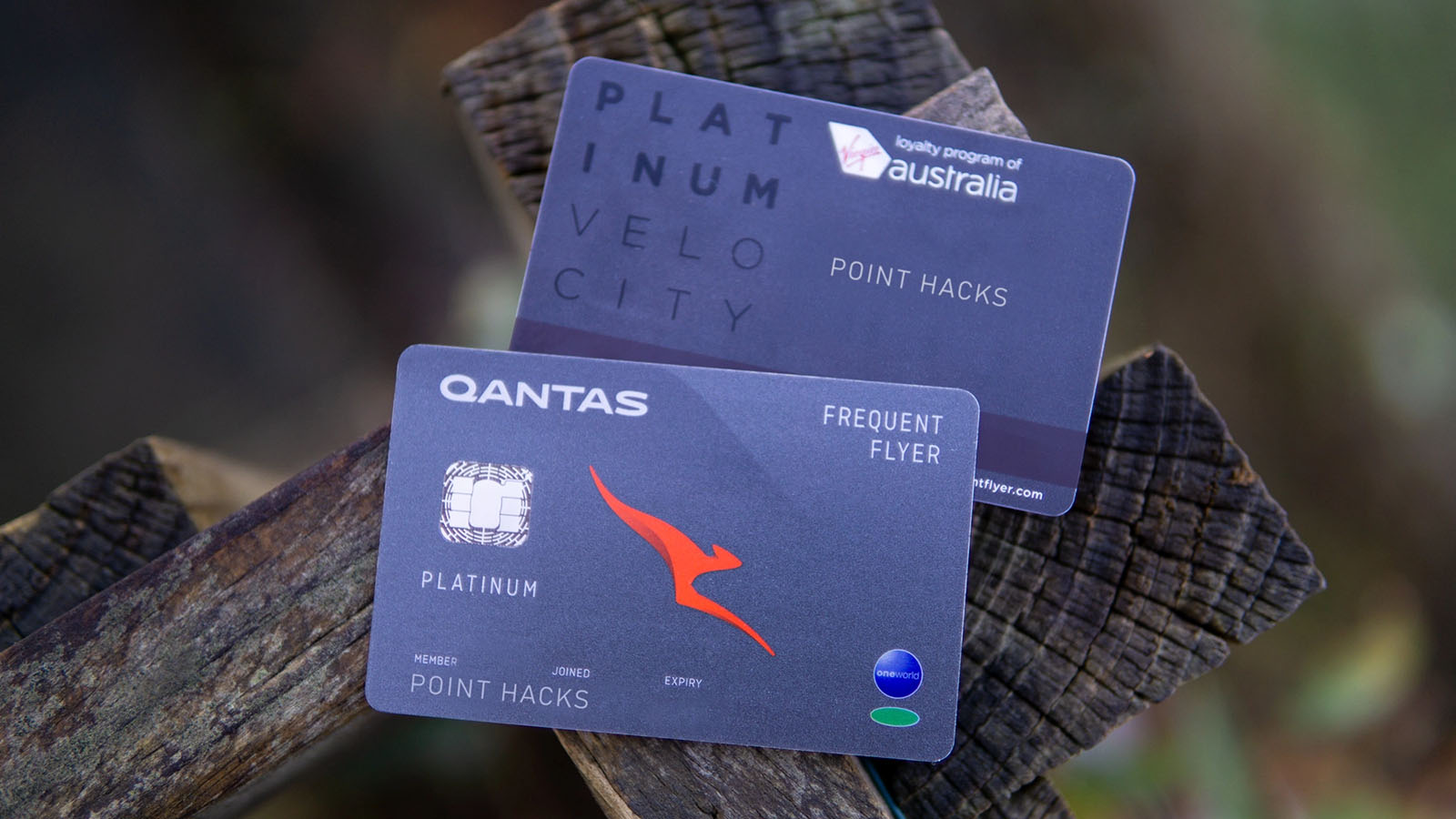
1. Your frequent flyer status is key
Most people in the industry will agree that your frequent flyer status with a particular airline is one of the most critical factors. When faced with picking a Gold or Platinum member against a passenger with no status, you can expect that the former will be chosen.
But even if you don’t have an elite airline status card, holding a base-level membership is better than nothing. If it’s a choice between a Bronze member and a non-member, then once again we’d expect the former to win.
In some cases, your partner airline elite status may be considered, such as Qantas status on Emirates flights or Velocity status on Qatar Airways flights.
Need help understanding status or learning how to achieve it quickly? See our guides on Status Credits and the perks of Qantas status and Velocity status.
2. Your ‘passenger value’ is important too
Many airlines maintain a secret metric that measures the ‘worth’ of each passenger to the airline. In Qantas parlance, this is called ‘PCV’, or perceived customer value.
Your PCV increases if you book more expensive fares, fly more often, or have a special business/SME rate. These values could be used to decide which Platinum member gets the upgrade over another, for example.
On the other side of the spectrum, if you’re a VIP with an invite-only membership, such as Qantas Chairman’s Lounge or Emirates iO, then you may find that complimentary upgrades happen more frequently, even when a flight is not overbooked.
3. It’s more likely to happen on leisure routes
You may have a better chance of getting a free upgrade if you’re travelling on a flight that’s often full in Economy, such as on a leisure route. If the lower cabin is oversold, then some op-ups may need to happen.
4. Travelling on your own can help
Solo travellers will usually get first consideration for an upgrade. That’s simply because it’s easier to juggle around one person rather than two or more, which then comes with seating arrangements and so on.
5. It also doesn’t hurt to ask
This is where the ‘human element’ comes into play. Consider asking if any discounted upgrades are available and see where that leads you. Remember, you’ll probably not get an upgrade this way – particularly if you don’t have the frequent flyer status to back you up. But there’s nothing wrong with giving it a try.
As always, treat staff respectfully and don’t put them in an uncomfortable position by arguing for a free upgrade.
Summing up
Chasing after a free upgrade? In most cases, it comes down to sheer luck, and it might strike when you least expect it. Outside of the US, airlines don’t make a habit of dishing out upgrades for goodwill. There’s usually an overbooking or other similar operational need behind it.
But if all the stars align, you might just hear that magic beep and red light at the gate, before your old boarding pass is removed and you’re presented a new one for the next cabin class up.
Failing that, be sure to check out our ultimate guides to your favourite airline frequent flyer program, and learn how to use points to book the higher cabin right from the outset.
Let us know in the comments before if you’ve received a free operational upgrade before, and how!
I’ve been lucky enough to get an upgrade a few times. There was one very, very memorable occasion that I’d like to share with you.
It was back when Ansett collapsed and I was booked from Melbourne to Sydney with my wife and three young children.
Because of the need to get people home due to no Ansett flights, Qantas were using 747’s to move the huge number of travellers. We were booked economy and expecting to be on a 767 and the boarding passes gave no indication of an upgrade.
Once our aircraft arrived at the gate, I realised we were on a 747 but not knowing the seat map, I still didn’t gell that we were upgraded until we were welcomed by the CSM and ushered up stairs into Business Class.
The crew made a great fuss over the children and the two youngest were allowed in the cockpit for most of the journey (before 9/11) at the invitation of the Captain, Max (surname with-held).
The only reason I can think of for getting the upgrade was my Platinum status. What a great PR job done by Qantas.
Very accurate insight into the upgrade process as it currently operates. I’ve been lucky on several occasions with different airlines on both domestic and international airlines for upgrades (all of them unrequested by me). It still amazes me that in 2025 many vloggers/sites/people still peddle the old myth about dressing well. Maybe that was true in the 80s, perhaps even into the 90s. But in this century, that forlorn hack is well past expiry date..
Flying from SYD or MEL on a weekend evening during footy season helps — my one and only op-up was so the flight could accommodate an entire AFLW team flying home after their game!
First time to fly Emirates last December (Manila-Paris-Manila). On my way home from Dubai, I was suddenly upgraded to First Class. No miles. No points. No payments.
A gift from the universe. The best New Year’s present! Forever grateful
Flying from Sydney to Paris via Abu Dhabi with Etihad, I was upgraded to Business Class for the last leg because economy was overbooked. It was amazing (first time I had ever flown Business Class)!
The funny thing is that on the flight from Sydney to Abu Dhabi, the couple next to me said they always ask for an upgrade just in case but have never got one, and I thought “that would be nice”… Then I got one!
I used to work for an Aussie airline and actually wrote the procedures for offering free upgrades. You’re pretty spot on the money. These days the airlines check in system usually issues the upgrade automatically based on FF status and PCV. Checkin staff have little say in the matter, so dressing up really isn’t going to help. School holidays are usually a good opportunity to score a free upgrade on medium/long haul routes, as the lower cabins usually get overbooked with families travelling. And yes, couples and singles are definitely preferred upgrade candidates over groups.
I’m a silver but long term Qantas frequent flyer, and once got upgraded at the gate from economy to business on the BKK-LHR leg of a SYD-LHR flight with British Airways. Was travelling alone, and they’d had flight problems so the connecting flight was full in economy. Have also been upgraded a couple of times on short haul Europe travel after being late to the gate!
Upgraded from Business to first for both my wife and me on Emirates. Have previously paid for first Brisbane to Heathrow and a number of business. A long long time ago when the business I was in had positives for Qantas had a coupl of upgrades, but now Qantas doesn’t want to know me.
My husband and I flew MEL – DOH – CDG with Qatar back in 2012 and were offered a Business upgrade from Economy for departing 24 hours later – we had signed up to Privilege Club but hadn’t flown with them before. We took the upgrade and had an amazing experience with Qatar.
We were flying from Paris to Dubai en route to Sydney on Emirites business class.
The couple in front of us were impatient and rude to the check in staff.
Embarrassed, we apologized for them and were rewarded with an upgrade to first class.
My dad used to do a bit of flying on Cathay from Melb to Shanghai via Hong Kong.
He’s been upgraded for free a couple of times at the Check in counter due to him arriving late and his seat taken. I assume the flight was overbooked.
We were travelling on MH MEL-KUL and got bumped from Economy to Business together for both my partner and I. We just joined Enrich prior to flying too so no status.
Another occasion, my partner and I got bumped with QF from MEL-HKG from Premium Economy to Business – Bronze Qantas Club member (partner was bronze member, no qantas club).
I was upgraded Qantas LA to Melb from business to first flight was full. There were 4 of us travelling for work on seperate bookings 2 of us (platinums) got the upgrade the 2 gold did not.
Travelling from Sydney to Manchester via Abu Dhabi on 24th Dec 2019 with Etihad A380. Platinum member with Velocity which is a bilateral partner. Was lucky to be upgraded to Business for my leg to AD. While waiting in the check-in queue, I spoke to the Etihad representative in Syd who was very friendly and polite. Check-in staff handed me a Business Class boarding pass and mentioned that the Etihad rep upgraded me to Business. As I read from this article, it’s a combination of luck, being polite, airline membership status and also if the flight was overbooked. The flight in Business wasn’t too packed with a couple of empty seats. I had my return flights London to Sydney booked on Business using my Velocity points. Perhaps this was another reason for the free upgrade during the first leg of my trip. Was a fantastic Xmas present from Etihad.
Thanks for sharing your story Cedric! It’s great to hear from real-life experiences.