On a codeshare, what matters for your Status Credits is usually the flight number on your ticket, not the paint on the plane. Two passengers in adjacent seats on the same aircraft can earn very different Status Credits for exactly that reason, which is where codeshares do their most confusing work.
Here is how Qantas and Velocity each treat them, and how to book when status is the goal.
The principle: the flight number governs
Qantas states the rule directly on its points calculator page. Points and Status Credits are earned under the earn rate of the airline whose flight number is displayed on your ticket. Velocity’s structure differs in detail but follows the same logic. With separate earnings treatment for Virgin Australia flight numbers and partner flight numbers, regardless of which airline operates the flight.
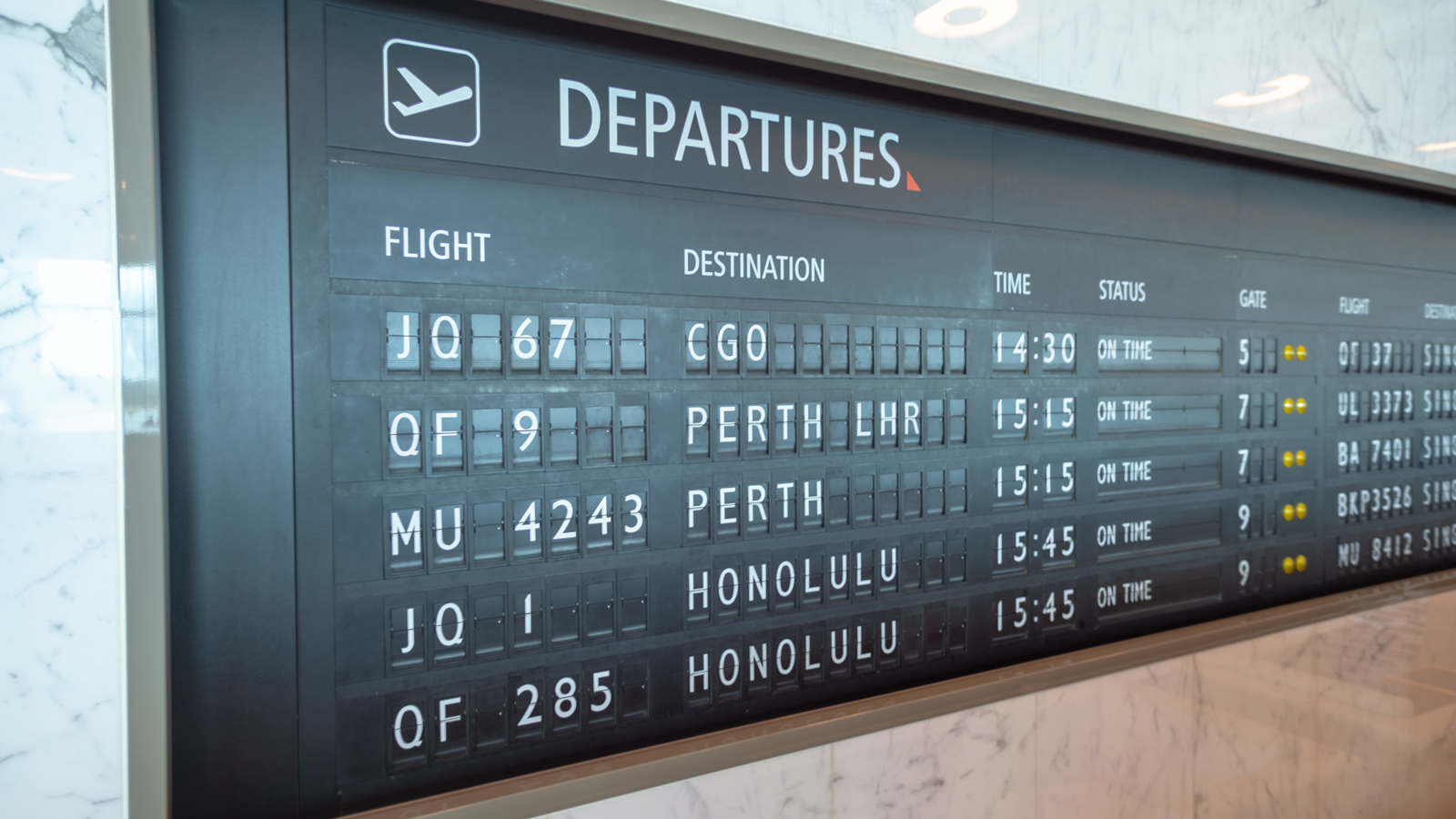
That single principle explains most codeshare outcomes. The same Sydney to Singapore aircraft can be sold under two or three different flight numbers, and each ticket earns under a different table.
How Qantas treats codeshares
Book a QF flight number, and you earn as if it were a Qantas flight, regardless of who operates it. That includes Jetstar-operated services sold under QF codes. When Qantas handed its Adelaide to Cairns route to Jetstar in late 2025, the QF codeshare on the route kept earning Qantas Points and Status Credits at Qantas rates. The same applies to QF codes on Emirates and other partners. Book the operating airline’s own flight number instead, and you earn under that airline’s partner table. A Qantas-marketed Business-Class flight from Hong Kong to Melbourne earns 125 Status Credits, while the identical journey credited to a Cathay Pacific flight number earns 60.
While QF codes on Jetstar metal earn at Qantas rates, booking a JQ flight number only earns Qantas Points and Status Credits when your fare includes a flight that carries frequent flyer earn. Basic Starter fares earn nothing at all. Jetstar has also added a paid path for regulars. A Club Jetstar add-on launched in November 2025 that unlocks higher points earning and up to 75 bonus Status Credits annually.
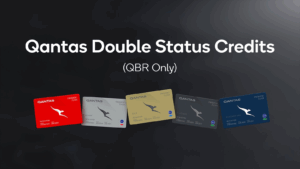
One more Qantas change to know – promotions break the pattern. Double Status Credits offers require flights marketed under a QF number and operated by Qantas or QantasLink. This rules out codeshares operated by Emirates, Jetstar and other partners. Our guide to maximising Status Credits on non-Qantas flights digs further into the partner-earning trade-offs.
How Velocity treats codeshares
Velocity’s earnings now split into three sections, and codeshares sit squarely in the middle one.
Virgin Australia-marketed and operated flights earn on a spend basis. 1 Status Credit per $12 on Choice, Flex and Business All Inclusive Fares, 1 per $24 on Lite.
Virgin Australia marketed flights operated by partners, the classic VA codeshare, earn differently. Per the Velocity status rules, VA-numbered flights operated by partner airlines earn Status Credits based on the fare type purchased and miles flown. This includes the VA1 to VA29 Doha services operated by Qatar Airways. The earn rates were trimmed in the October 2025 changes, but VA codeshares were cut less deeply than partner flight numbers. And on similar routes the VA code typically earns a little more.
Partner marketed and operated flights, booked on the partner’s own flight number, earn from the partner airline tables at the lowest rates of the three buckets.
The section you book into matters because of the 50 per cent rule. To upgrade or maintain Silver, Gold or Platinum, at least half of your qualifying Status Credits must come from Virgin Australia-marketed and/or operated flights you flew. VA codeshares count towards that requirement, partner flight numbers do not. Helpfully, Velocity softened the rule before launch so that Virgin Australia operated flights booked under a partner’s number, such as a Singapore Airlines coded sector flown by VA domestically, also count.
Our coverage of the partner earning changes tracks the current tables.
Booking strategy when status is the goal
The playbook that falls out of all this is consistent across both programs. When the same flight is sold under multiple numbers at similar prices, book the code belonging to the program you are building status in. The QF number for Qantas Frequent Flyer, the VA number for Velocity. The earn is usually higher, and for Velocity members the codeshare is often the difference between credits that count towards the 50 per cent requirement.
Price remains the biggest downside. Codeshare fares are not always priced the same as the operating airline’s own fares. And paying a meaningful premium for a few extra Status Credits rarely survives contact with the maths. Check both numbers before booking, and let the difference decide.
Frequently Asked Questions
This article is general in nature and does not constitute personal financial advice. Consider your own financial situation before applying for any credit product. Point Hacks may receive a commission from card issuers for applications made through this site.