


Cherry blossom season is one of the most in-demand travel periods in the world, and for good reason. From Tokyo’s rivers lined with pink canopies to Korea’s vibrant festivals, it’s a bucket list experience for many travellers. But with that popularity comes crowded cities, limited reward seats and rapidly rising flight prices.
In this episode of the Point Hacks Podcast, we break down how to actually plan a cherry blossom trip using points, including where to go, how to time your visit and the best reward seats to get you there. I also share my own somewhat disastrous experience chasing cherry blossoms across Japan and South Korea last year. Watch the full episode below or read on for some of our top tips.
Where to see Cherry Blossoms
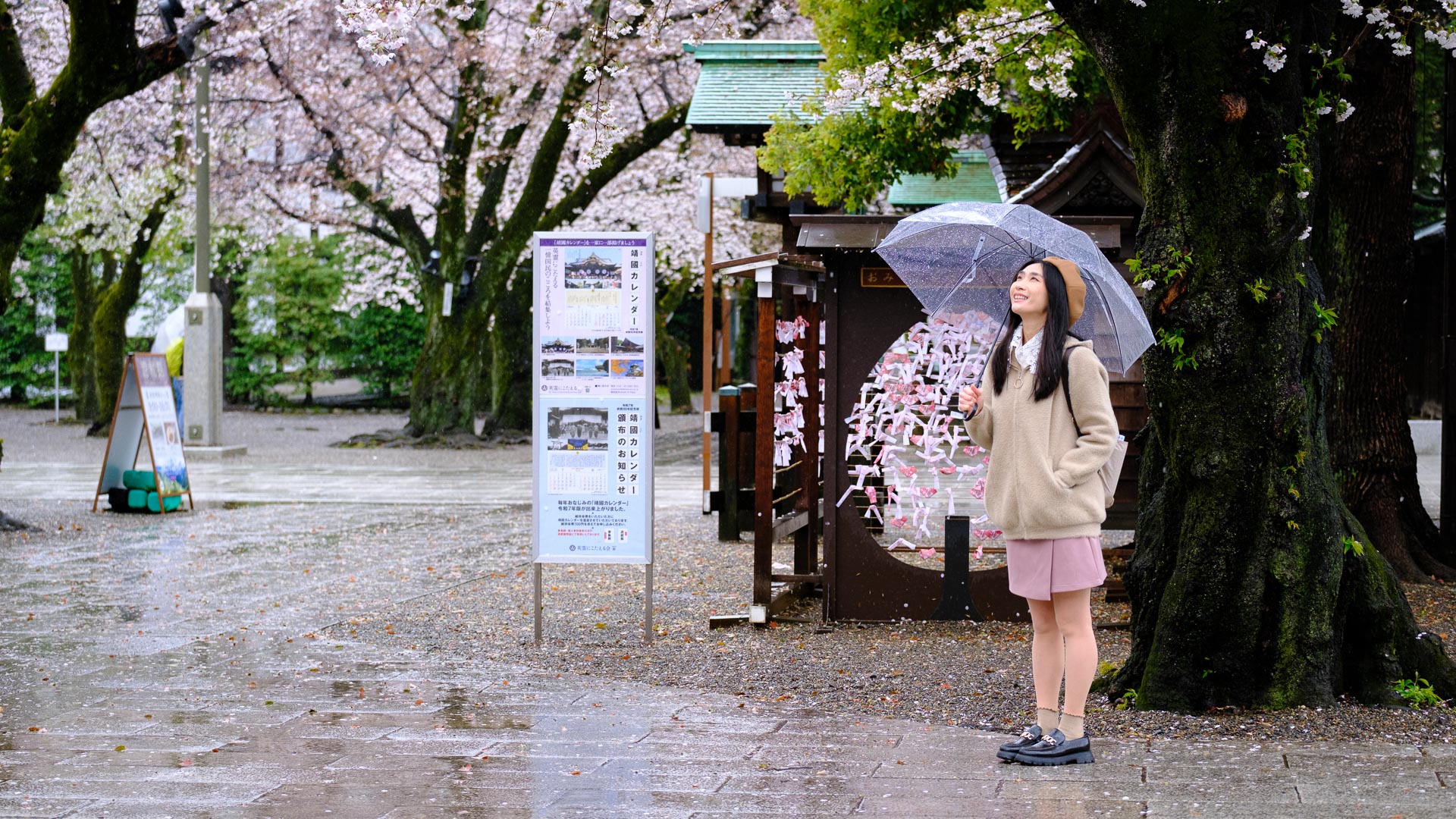
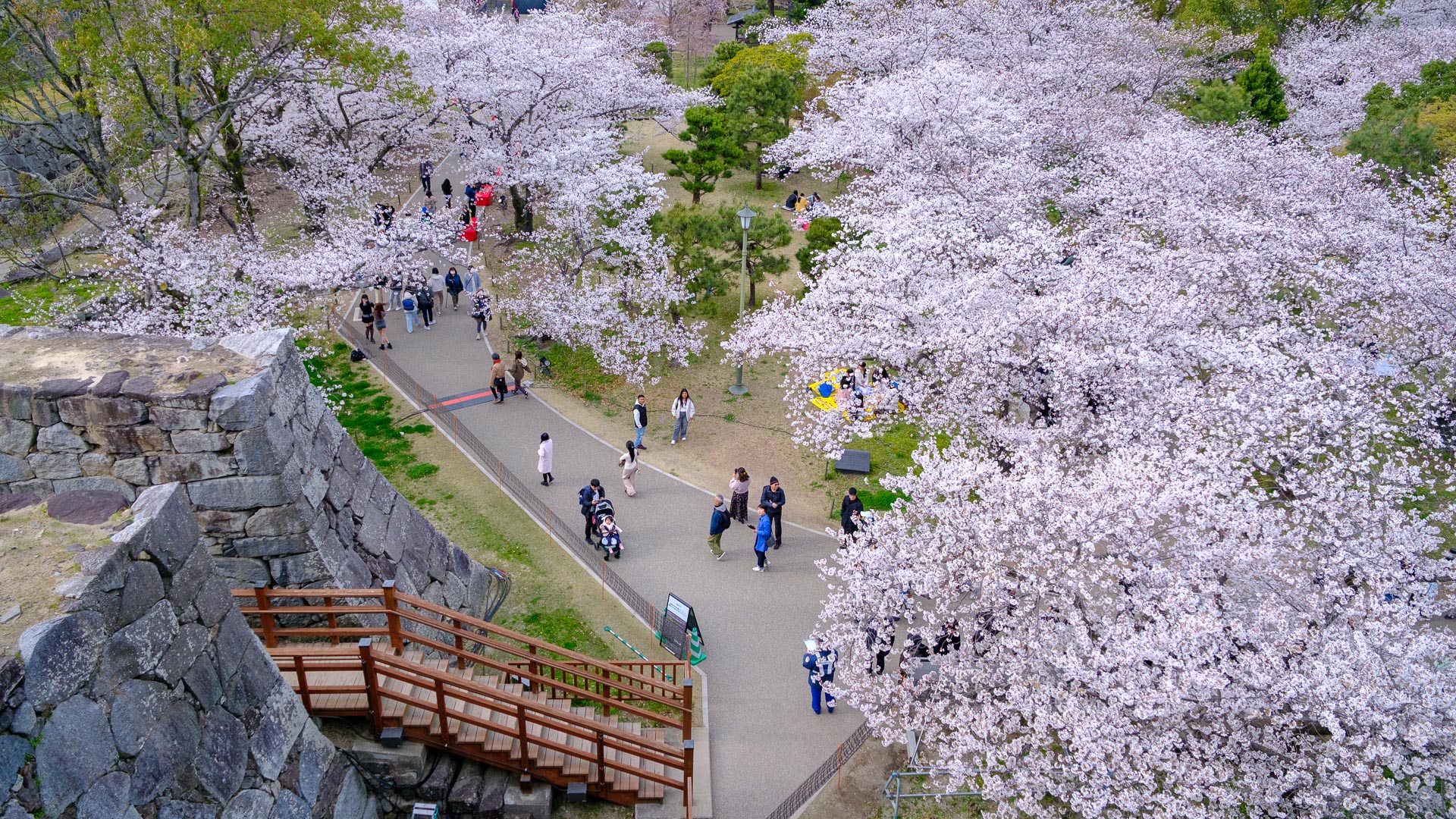
Japan
Japan is the most iconic destination for cherry blossoms, with blooms typically moving from south to north between March and early May.
Popular viewing spots include:
- Tokyo: Meguro River, Ueno Park, Shinjuku Gyoen
- Kyoto: Philosopher’s Path, Maruyama Park, Arashiyama
- Osaka: Osaka Castle and surrounding parks
- Nara: Nara Park, where cherry blossoms sit alongside roaming deer
- Nagoya: Nagoya Castle and Tsuruma Park, often slightly less crowded than Tokyo or Kyoto
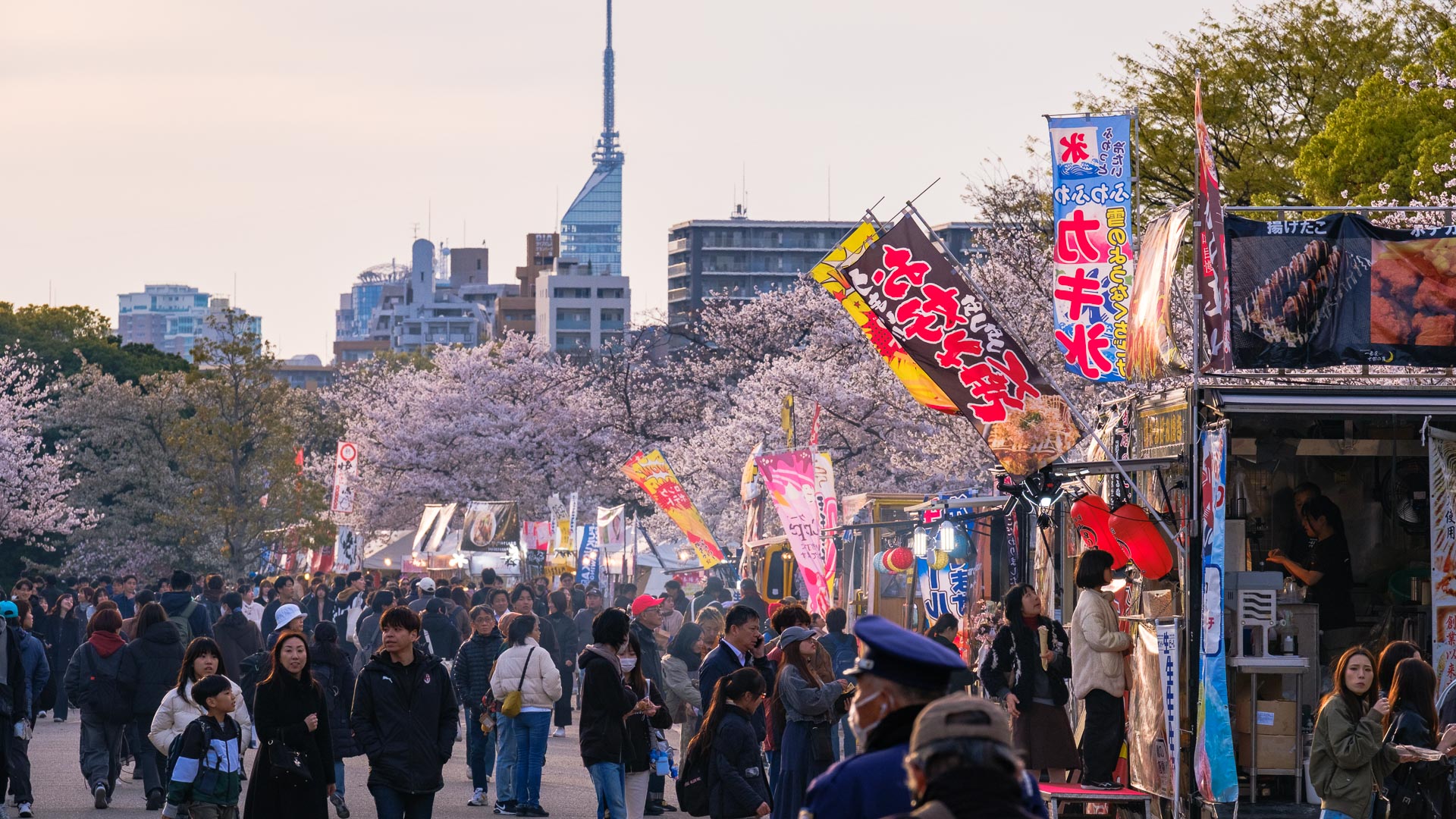
- Fukuoka: Maizuru Park and Nishi Park, with earlier blooms compared to central Japan
- Aomori: Hirosaki Castle, one of Japan’s most famous late-season cherry blossom destinations
The good news? Cherry blossoms are not limited to major tourist centres. While Tokyo and Kyoto are the most well-known, cities like Nagoya and Nara offer a slightly slower pace, while Fukuoka in the south blooms earlier and Aomori in the north is ideal if you miss peak bloom further south.
Travelling between regions can also extend your chances of seeing the blossoms, as the season progresses gradually across the country.
South Korea
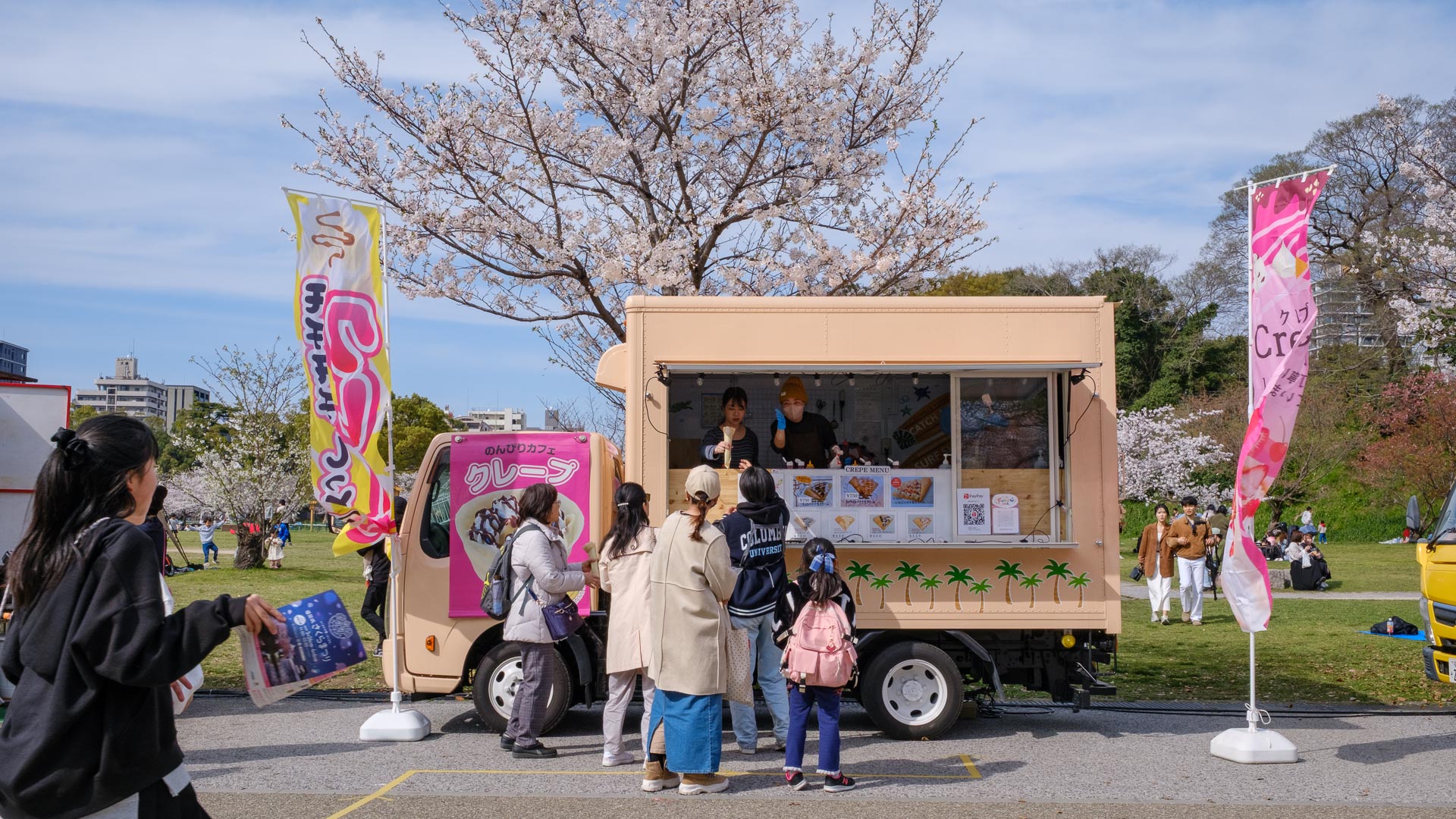
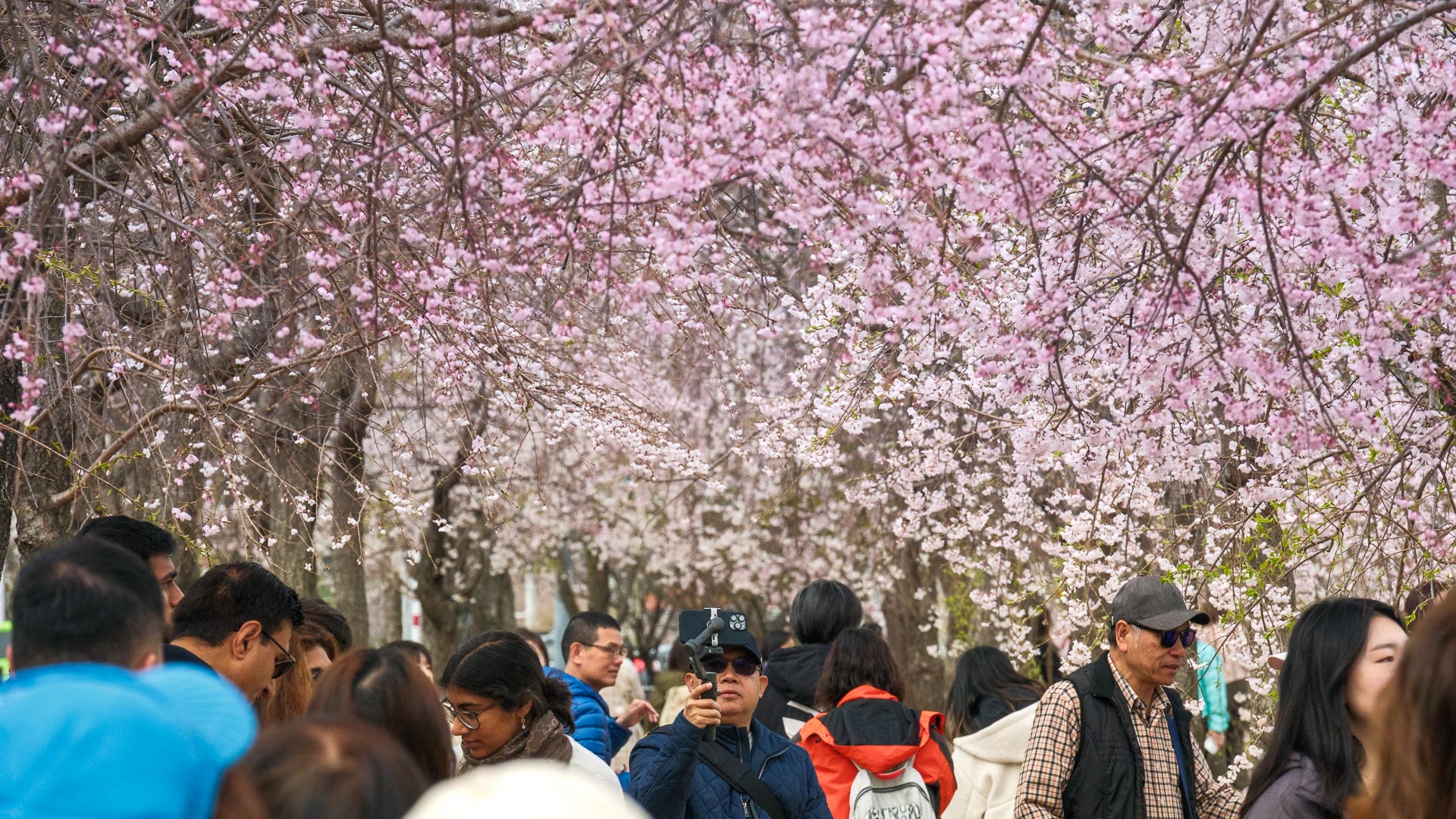
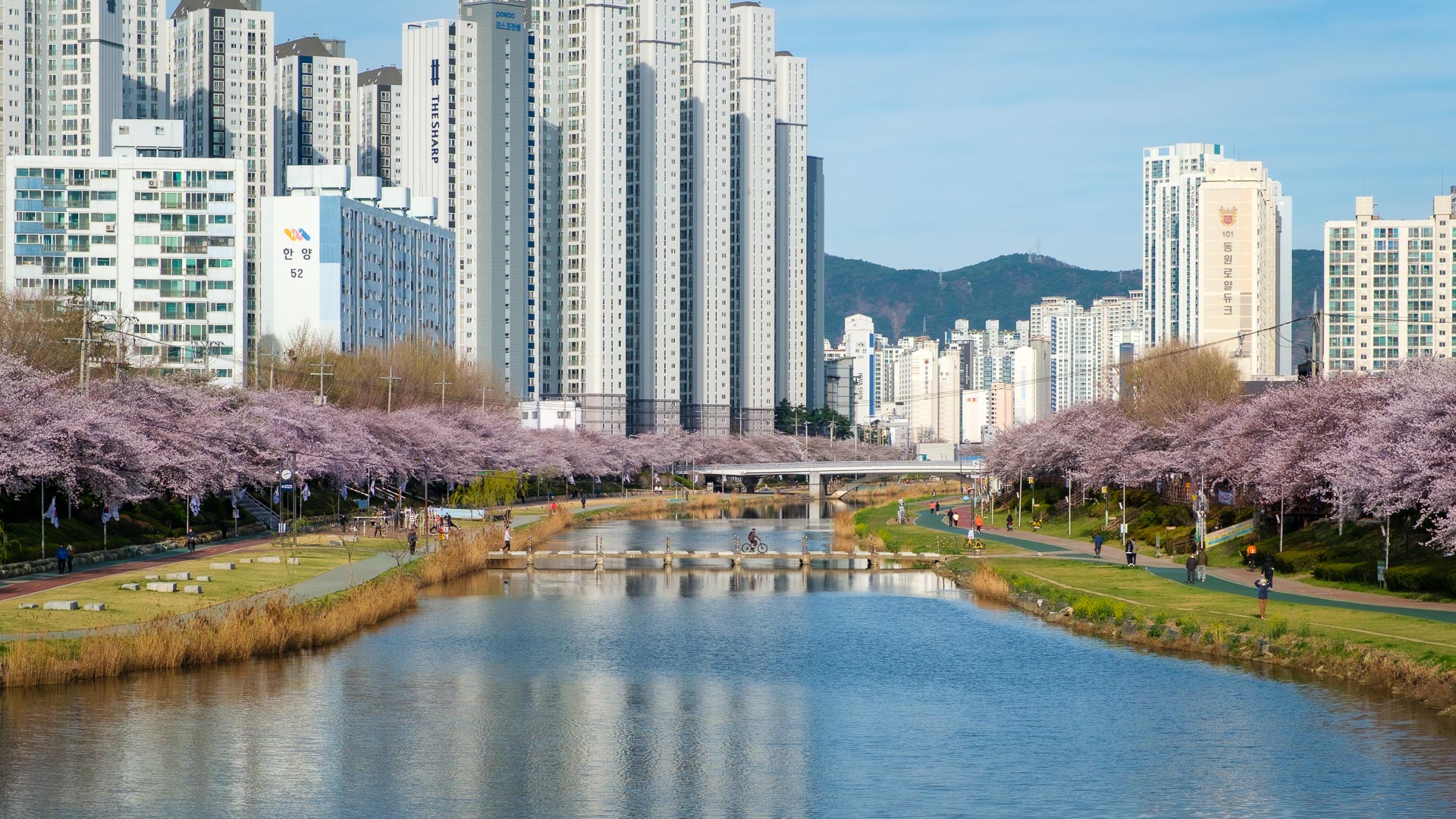
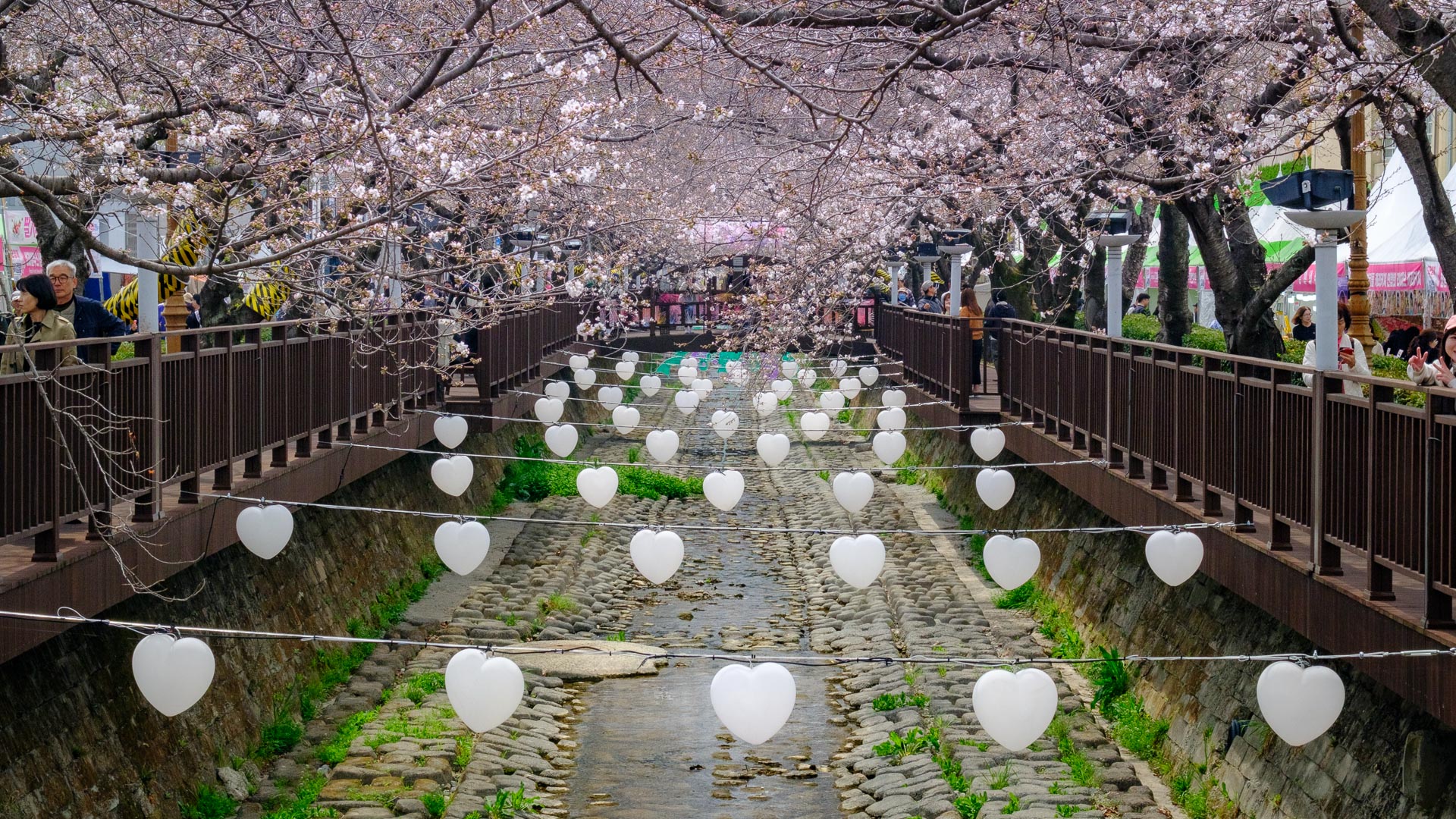
South Korea is a strong alternative to Japan, often with fewer crowds and unique festival experiences.
Key locations include:
- Seoul: Namsan Tower, palaces and parks
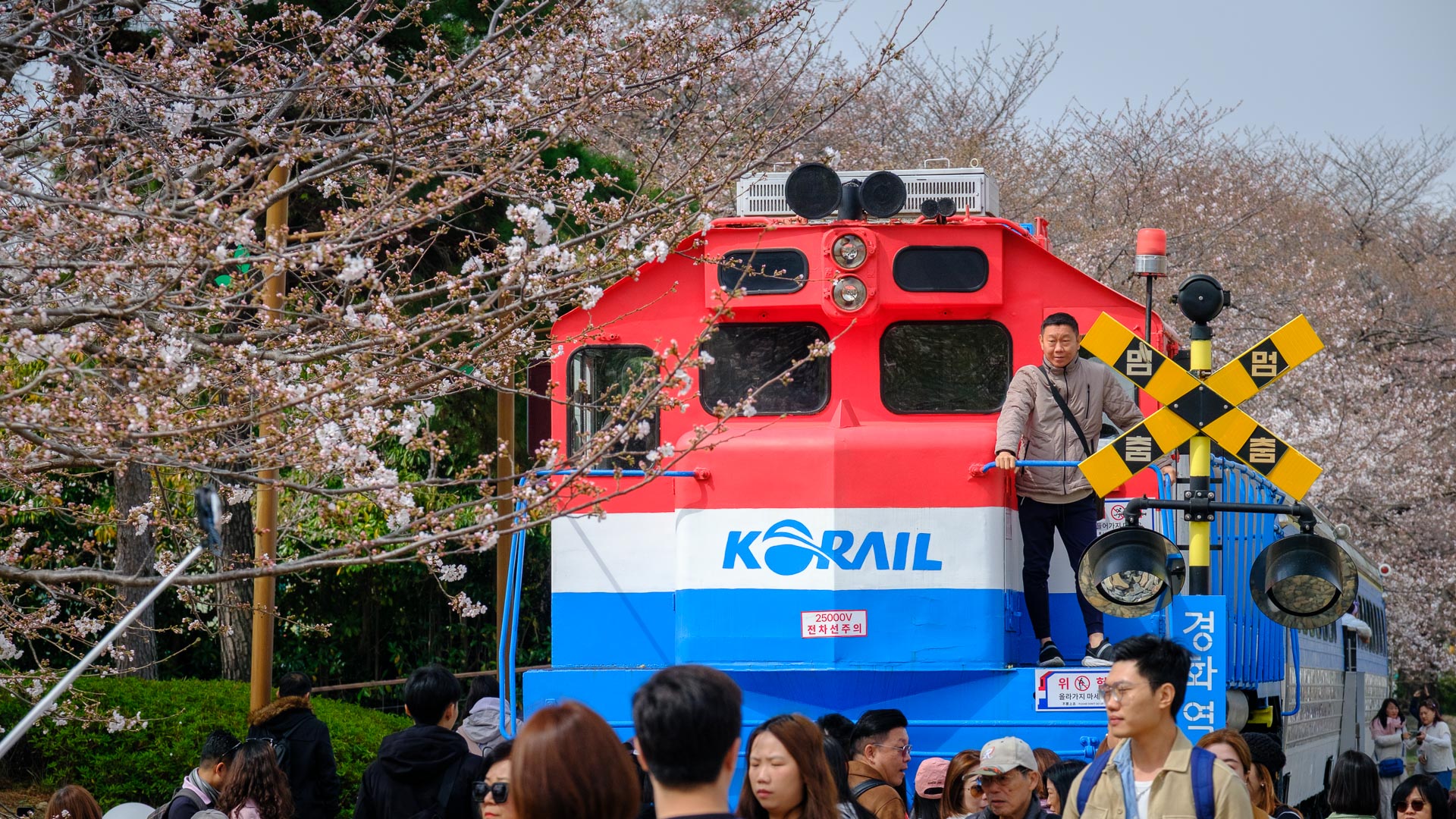
- Jinhae: One of the largest cherry blossom festivals in the world
- Busan: Coastal views with blossoms
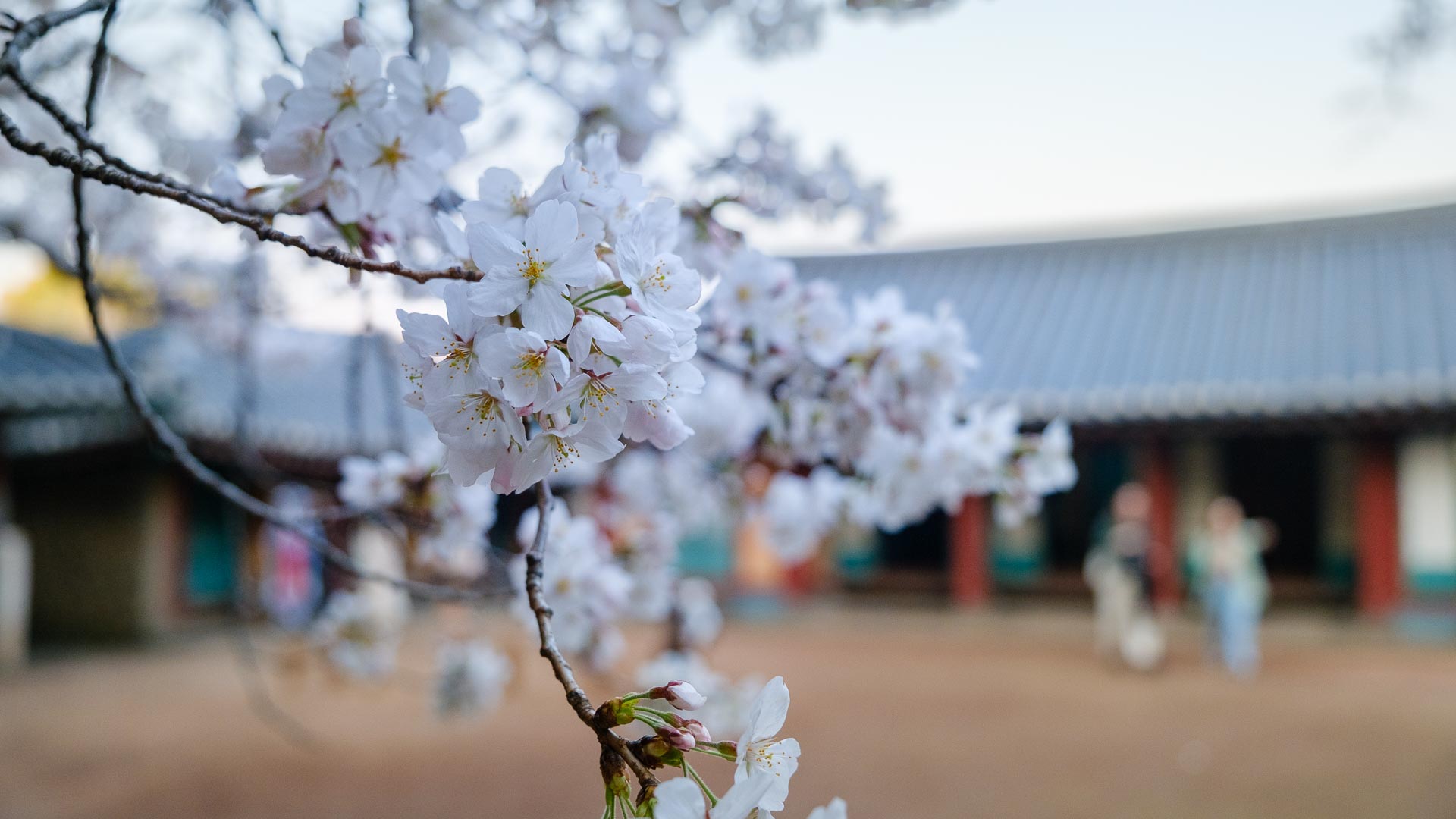
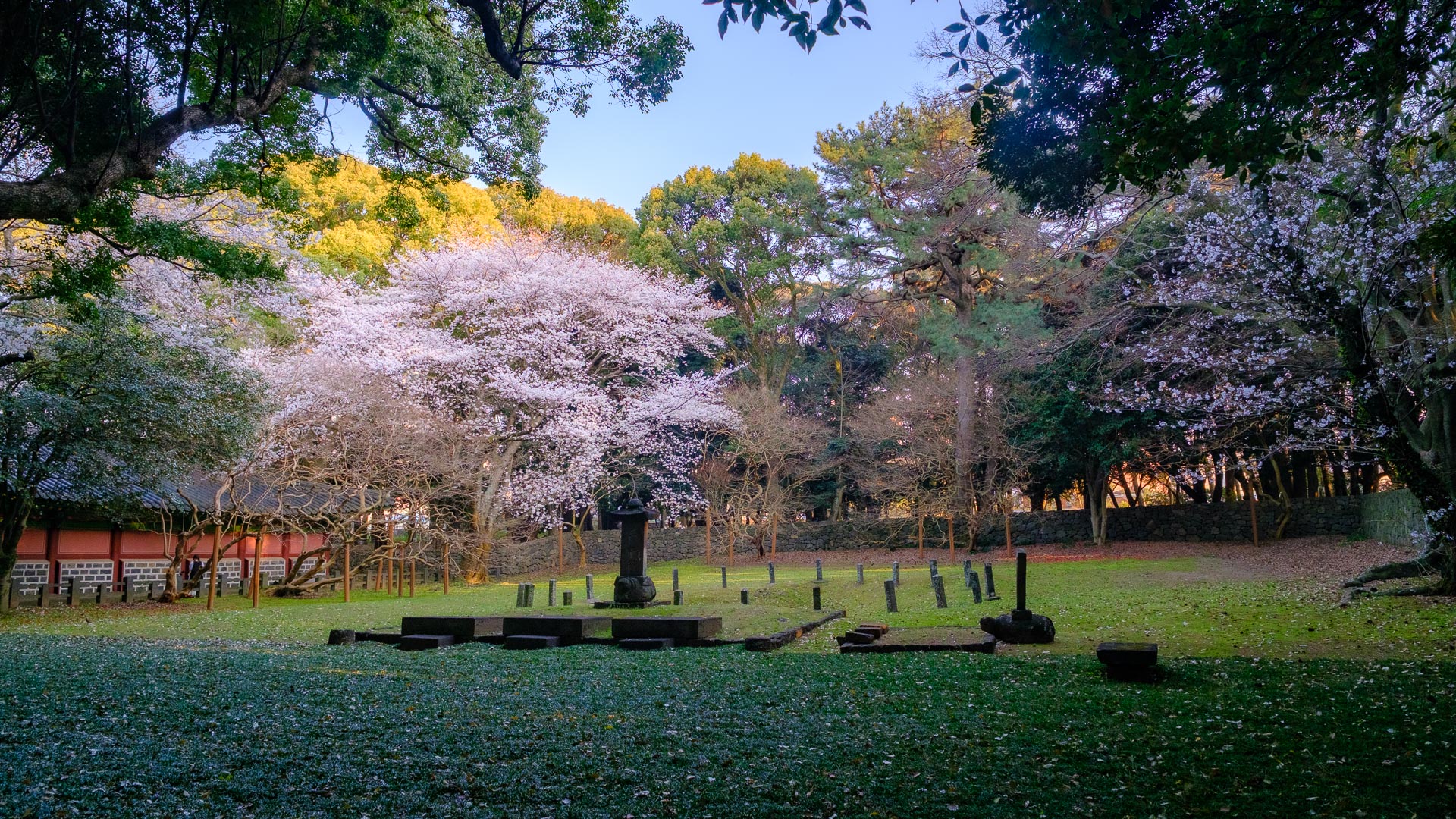
- Jeju Island: Early blooms and unique king cherry trees
As highlighted in the episode, Korea’s season is more compressed than Japan, often lasting just a couple of weeks across the country. Timing is critical, but the payoff can be just as impressive.
Australia
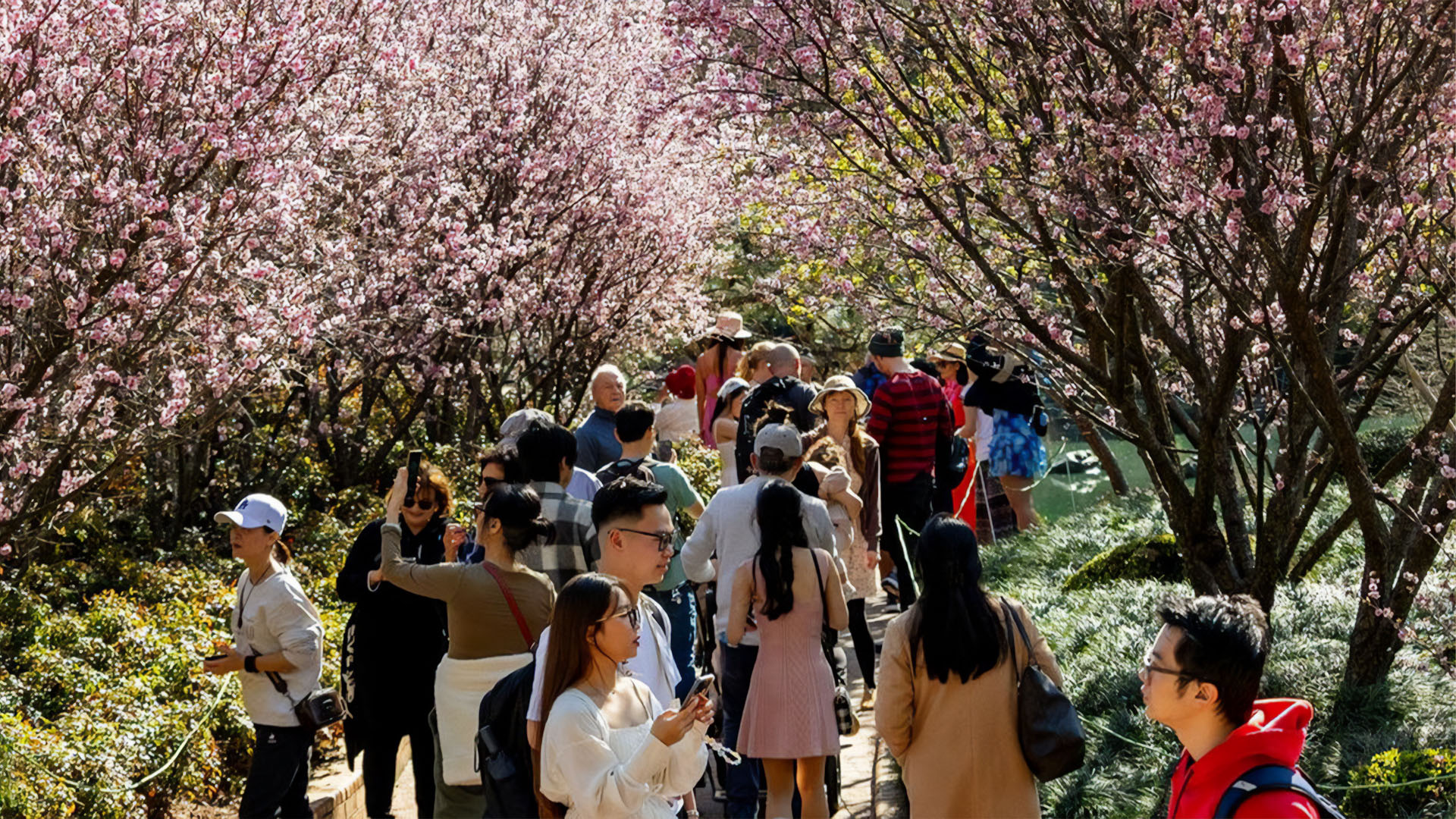
You heard that right! While Australia doesn’t have native sakura, some of our botanic gardens feature Japanese cherry trees that typically bloom from August to September. While they don’t compare to Japan or Korea, they are a fantastic option to experience it without spending on travel.
- Sydney: Auburn Botanic Gardens
- Cowra (NSW): Cowra Japanese Garden
- Canberra: Lennox Gardens (Nara Peace Park)
- Adelaide: Himeji Garden
- Melbourne: Royal Botanic Gardens, Fitzroy Gardens
- Yarra Valley (VIC): CherryHill Orchards
- Brisbane: Mount Coot-tha Botanic Garden
- Perth: S&R Orchard, Walliston
Elsewhere in the world
Cherry blossoms aren’t limited to Japan and Korea. Many cities around the world have their own spring displays, often with interesting origins tied to Japanese cultural exchange.
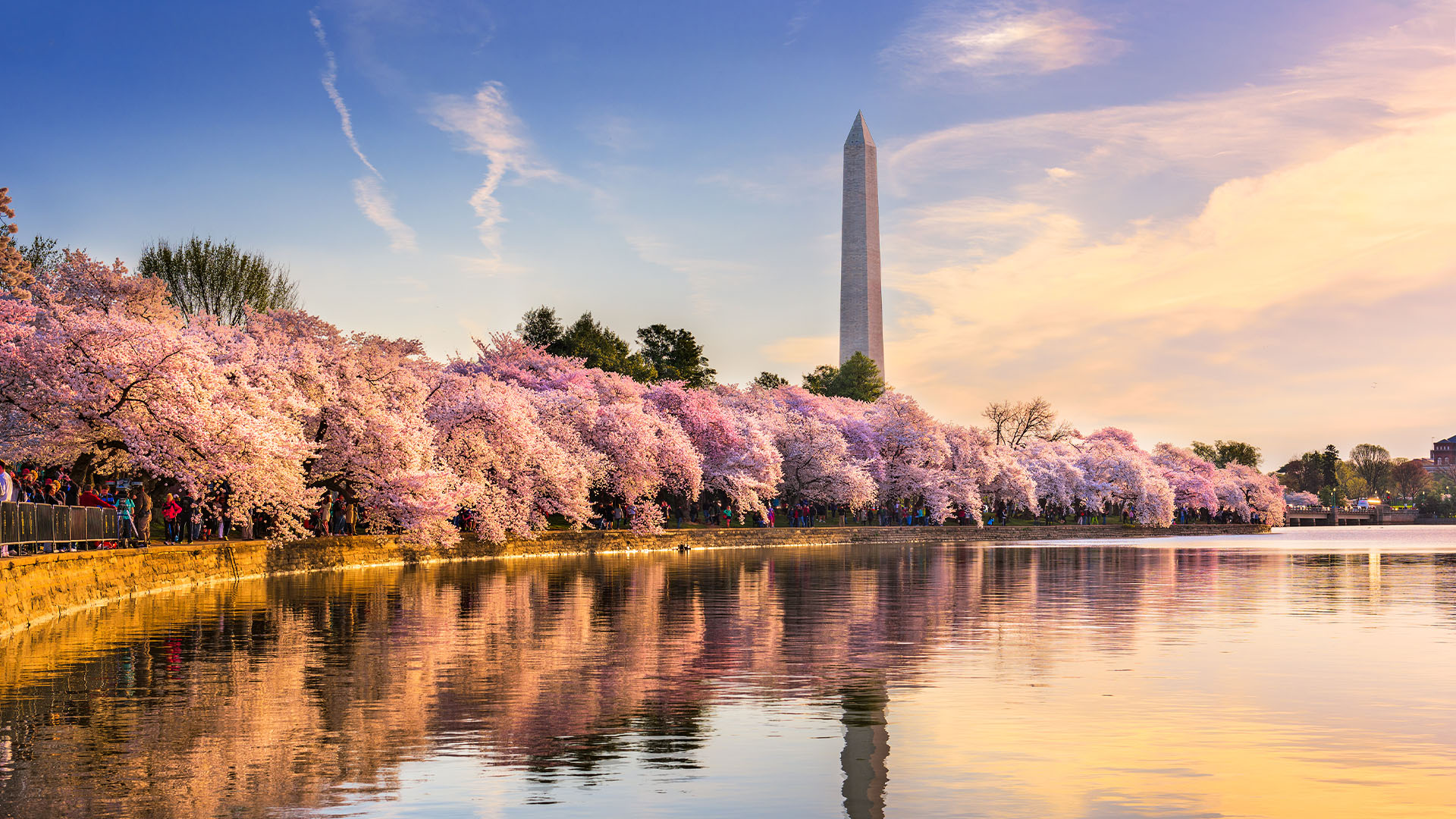
- Washington DC: Tidal Basin
- Vancouver: Queen Elizabeth Park, Stanley Park
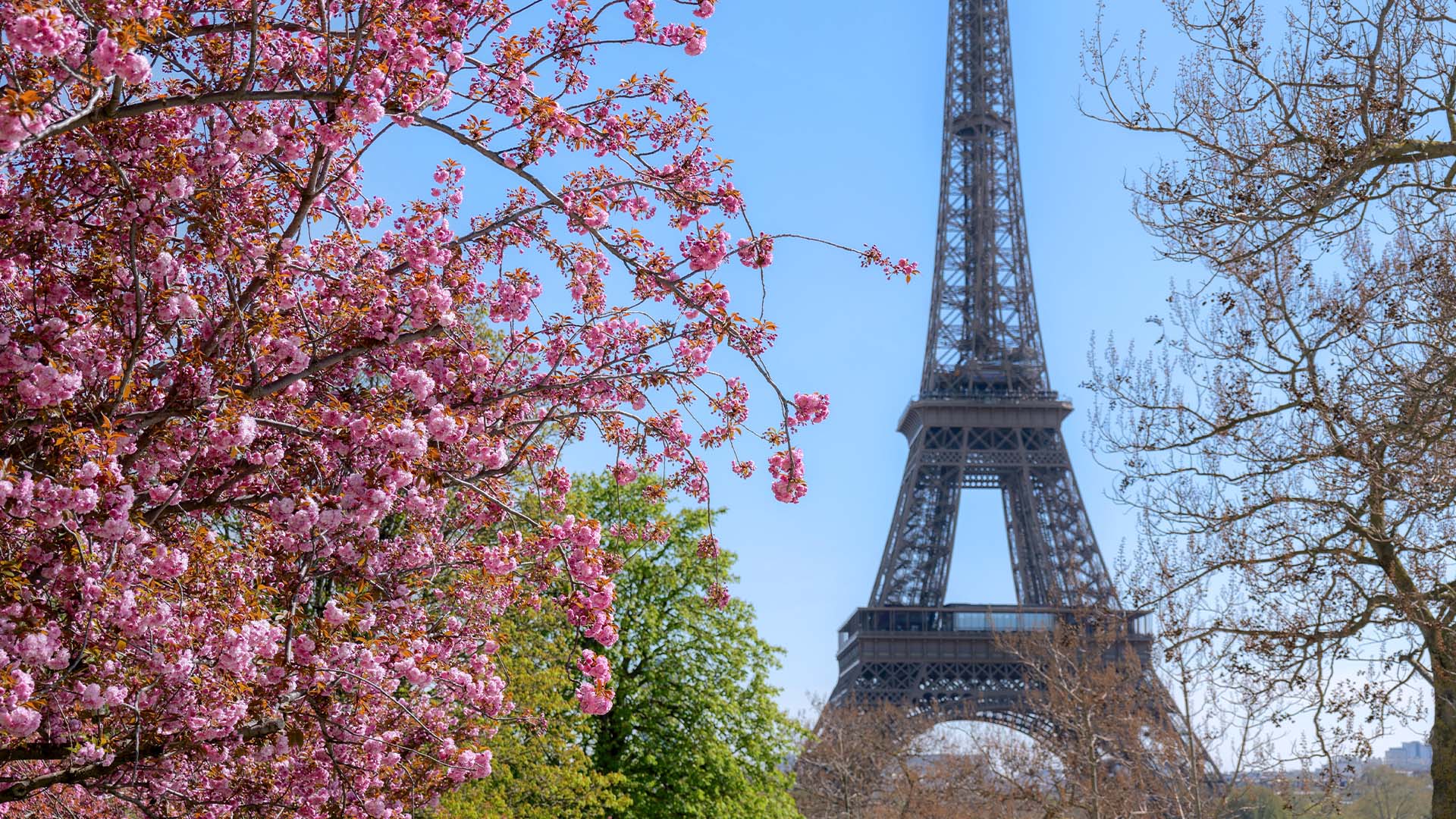
- Paris: Eiffel Tower area, Jardin des Plantes
- Taipei: Yangmingshan National Park, Alishan, includes mix of native and introduced cherry blossom species
How to plan your trip
Planning a cherry blossom trip sometimes requires a little more flexibility than most holidays. Unlike fixed events, bloom timing changes each year depending on weather conditions.
1. Track historical bloom dates
Look at previous years’ bloom periods for your destination. As demonstrated by my previous trip to South Korea, these can provide a rough guide, but are not guaranteed.
2. Use cherry blossom forecasts
Japan and Korea publish seasonal forecasts that are updated as spring approaches. These become more accurate closer to the date.
3. Build in flexibility
As discussed in the episode, even with planning, things can shift. Arriving slightly early or staying longer improves your chances of catching full bloom.
4. Consider hiring a car
Having a car allows you to “chase” the blooms. If one area is not yet in season, you can drive to another region where blossoms are further along.
5. Expect trade-offs
Peak bloom often means:
- Higher flight prices
- Limited reward availability
- Larger crowds
This is where flexibility and points strategy become critical.
6. The Golden Rule: Book flights well in advance
Being one of the busiest travel periods, reward seats can disappear quickly, especially in Business Class.
Qantas releases reward seats around 355 days in advance, and Velocity release theirs around 330 days in advance. Book as close to these dates as possible to ensure you can scoop up a seat. That means if you’re reading this around the time of publication it’s about time to start planning for next year!



Best flights to see Cherry Blossoms with points
Japan
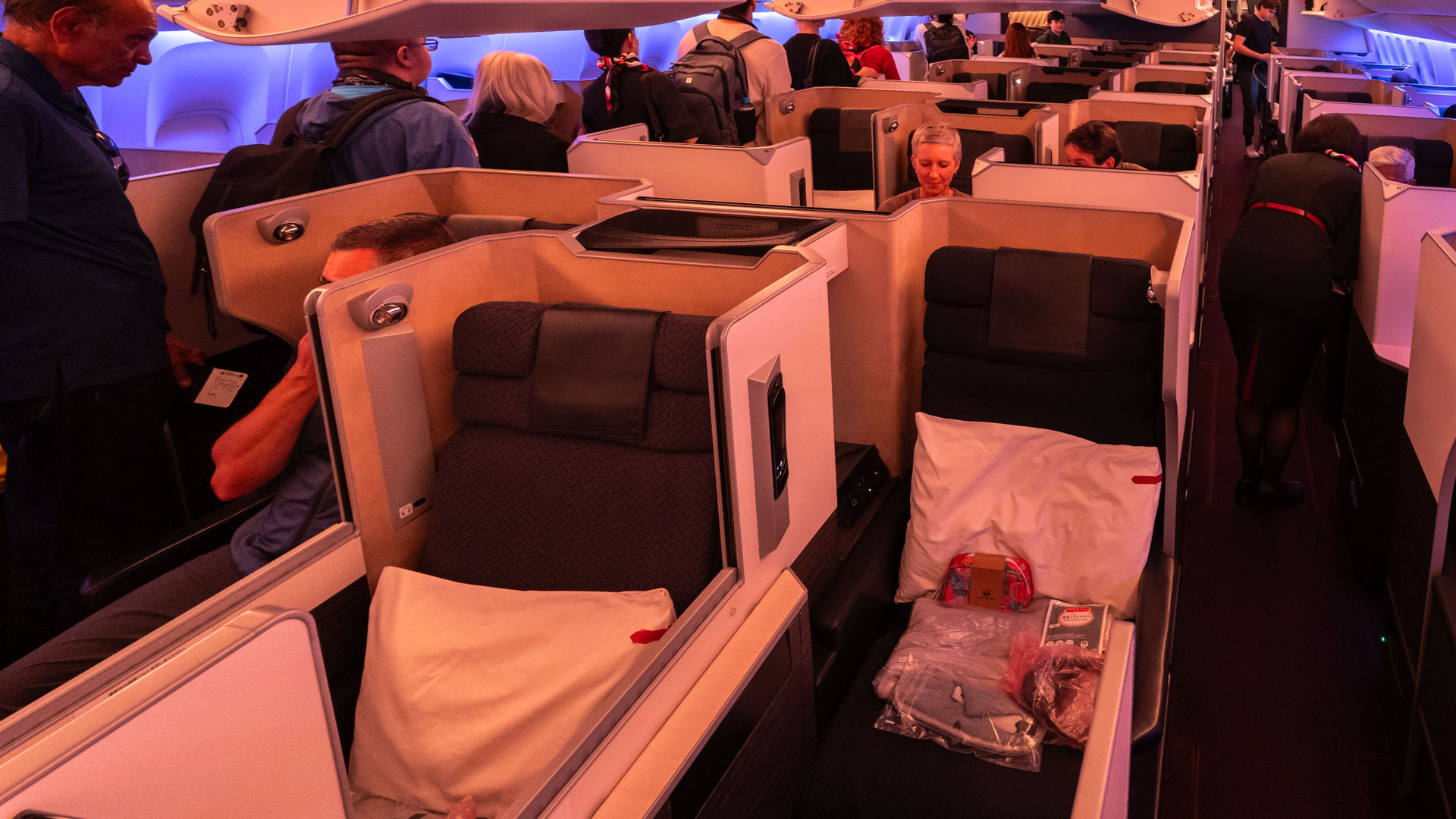
If you’re looking for the simplest option, flying direct with Qantas or Japan Airlines using Qantas Points is usually the first place to start. These flights offer the most convenient routings from Australia, but they are also the most competitive during cherry blossom season. Business Class reward seats from the east coast sit just under 100,000 points one-way and economy seats can be found for under 40,000 points.
For those using Velocity Points, All Nippon Airways (ANA) from Sydney or Perth is one of the strongest value options, with Business Class redemptions generally sitting just under 100,000 points one-way. The challenge is availability, which can be limited and often appears closer to departure rather than far in advance.
Singapore Airlines is often the most reliable fallback using Velocity Points. While it requires a connection through Singapore, it consistently offers better availability across multiple Australian cities. This makes it a practical option if you’re struggling to find direct flights during peak season.
While the Business Class product is closer to premium economy, Jetstar can also be worth considering, especially for those who want to stretch their points a bit further. Business Class from Cairns costs 61,600 Qantas Points and economy seats are just 24,700 points.
South Korea
Flights to South Korea can be slightly trickier to book on points, particularly if you’re looking for direct options. Jetstar operates some direct routes from Australia, which can be booked with Qantas Points at relatively low rates.
For most travellers, routing via another Asian hub is the most practical approach. Singapore Airlines using Velocity Points is often the most consistent option, with regular availability and connections through Singapore. While it may require more points and travel time than some alternatives, it is typically easier to secure seats.
Another strategy is to route via Japan using either Qantas Points or Velocity Points, then book a short onward flight to South Korea. As mentioned in the episode, these regional flights can sometimes be inexpensive with cash, and they can open up more options if direct reward seats to South Korea are unavailable.
Further Reading & Helpful Links
- For more of my Japan adventures, including a side of the country you don’t see everyday, read my experience in Kyushu
- Want to improve your chances of finding reward seats during peak season? Sign up for Reward Seat Alerts and get notified when flights become available.
- Looking to boost your points balance quickly? Explore the latest credit card offers. In many cases, a single sign-up bonus can be enough for a one-way Business Class flight to Japan.
Qantas American Express Ultimate

Offer ends: 17 Nov 2026
- Bonus points
- Up to 120,000 bonus Qantas Points¹
- Annual fee
- $450 p.a.
- Earn
- 1.25 Qantas Points earned per $1 on eligible everyday purchases. 2.25 Qantas Points per $1 spent on selected Qantas products and services in Australia. 0.5 Qantas Point per $1 at government bodies in Australia. After a total of 100,000 Qantas Points is earned in a calendar year, the everyday earn rate will change from 1.25 to 1 Qantas Point per $1 spent.
Qantas American Express Ultimate
Offer ends: 17 Nov 2026
- Bonus Points
- Up to 120,000 bonus Qantas Points¹
- Annual Fee
- $450 p.a.
- Earn
- 1.25 Qantas Points earned per $1 on eligible everyday purchases. 2.25 Qantas Points per $1 spent on selected Qantas products and services in Australia. 0.5 Qantas Point per $1 at government bodies in Australia. After a total of 100,000 Qantas Points is earned in a calendar year, the everyday earn rate will change from 1.25 to 1 Qantas Point per $1 spent.
Earn 70,000 bonus Qantas Points¹ with the Qantas American Express Ultimate Card when you apply online by 17 November 2026, are approved, and spend $5,000 in the first 3 months. Plus, an additional 50,000 bonus Qantas Points when you spend a further $5,000 on eligible purchases within the first 3 months of your second year Card Membership. New Amex Card Members only. T&Cs apply.
Where to Watch & Listen the Point Hacks Podcast
For the full experience, including additional tips and footage from our adventures, you can watch Point Hacks on our YouTube channel. We also publish our key takeaways on Instagram and TikTok.
Prefer to listen? The Point Hacks Podcast is available on your favourite podcasting app including Spotify, Apple Podcasts, Podbean and iHeartRadio.


Kawazu-zakura are early-blooming cherry blossoms so if you can’t quite make it to Japan for peak cherry blossom season consider these as an alternative.
Kawazu Town and Matsuda Cherry Blossom Festival are two locations outside Tokyo with amazing views to enjoy!