

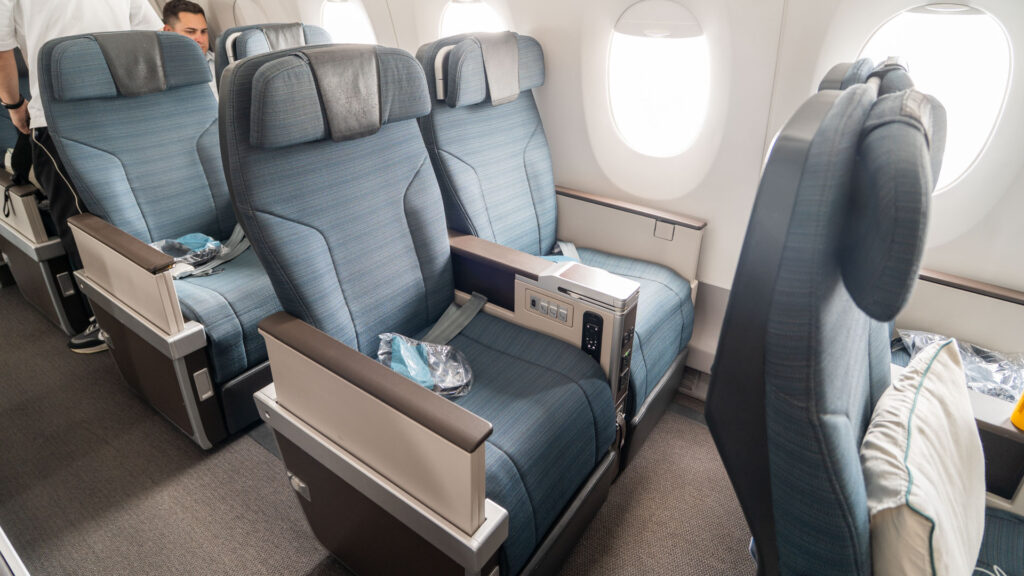
Flying Premium Economy can be the sweet spot between Economy and Business, especially on long-haul routes where comfort, space and service really matter. But it also has a role on shorter flights – such as Hong Kong to Singapore – where it can be a practical alternative to Business Class without the steep premium.
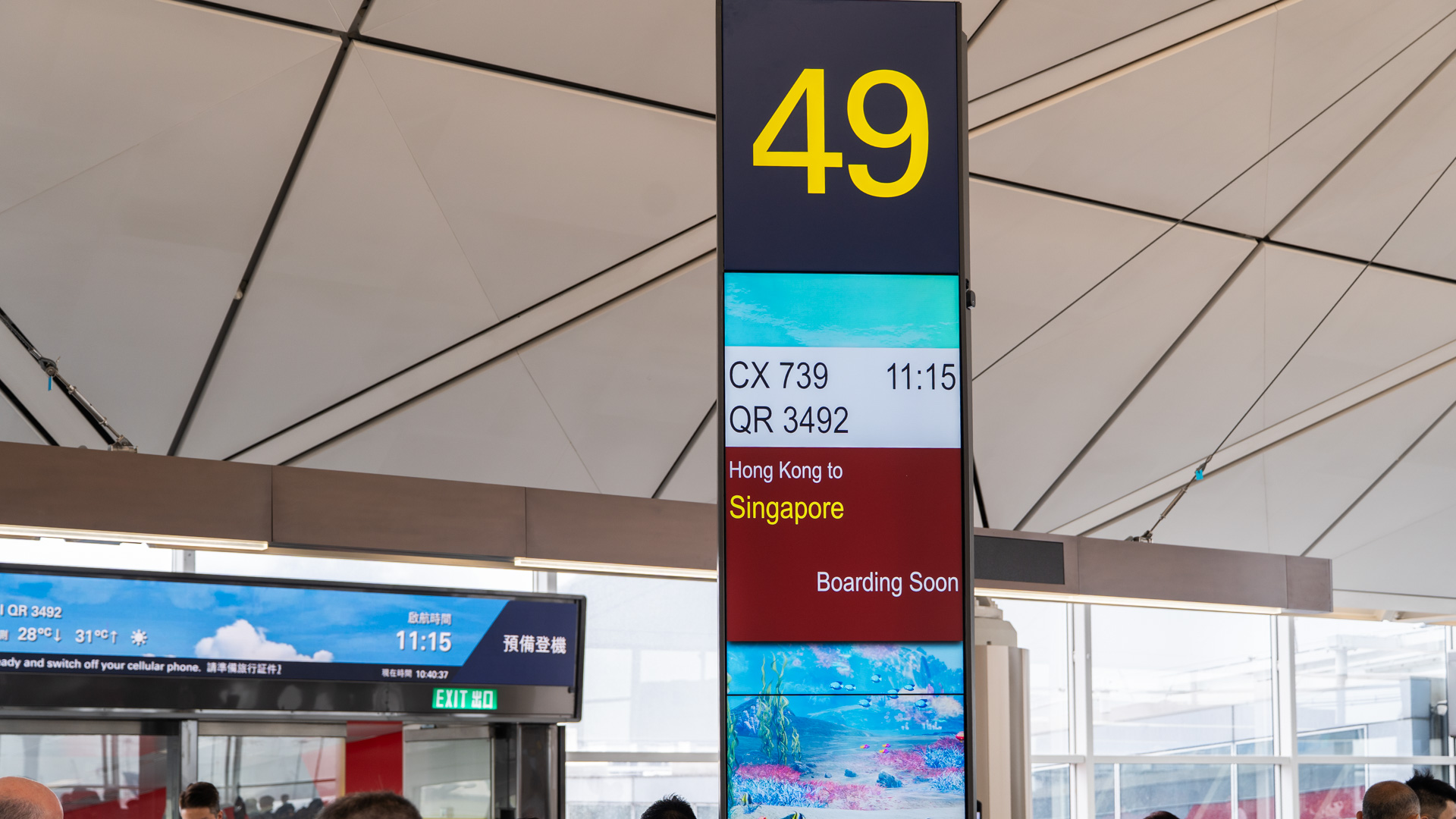
During my round-the-world Business Class trip using Qantas Points, the only available Business reward seat on this leg was on an early-morning flight – not ideal when it would have meant a pre-dawn hotel check-out. Instead, I opted for a late-morning departure in Premium Economy, which still ticked most of the right boxes.
Check-in and lounge
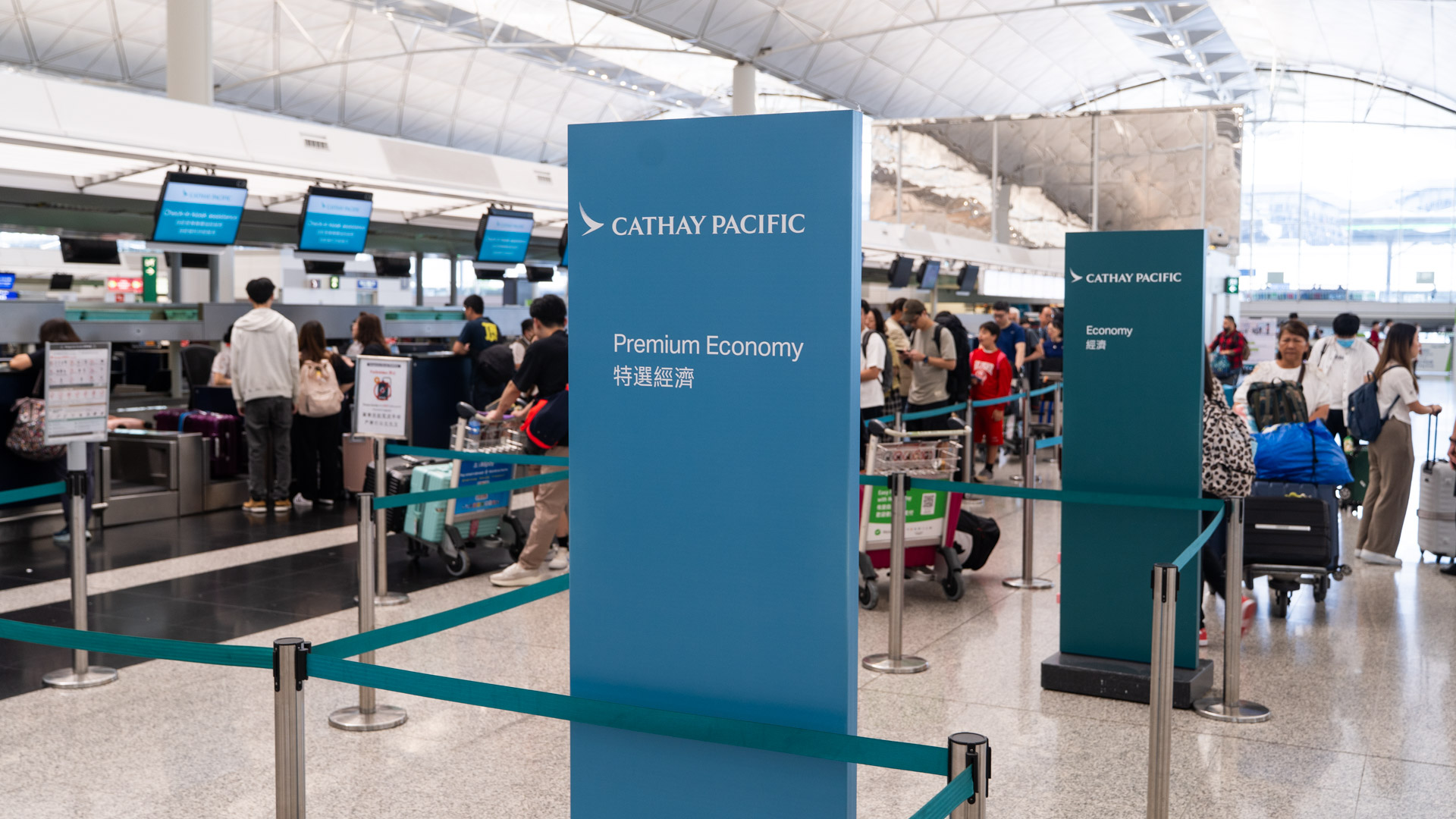
At Hong Kong Airport, Cathay Pacific operates dedicated check-in counters for Premium Economy, alongside Economy.
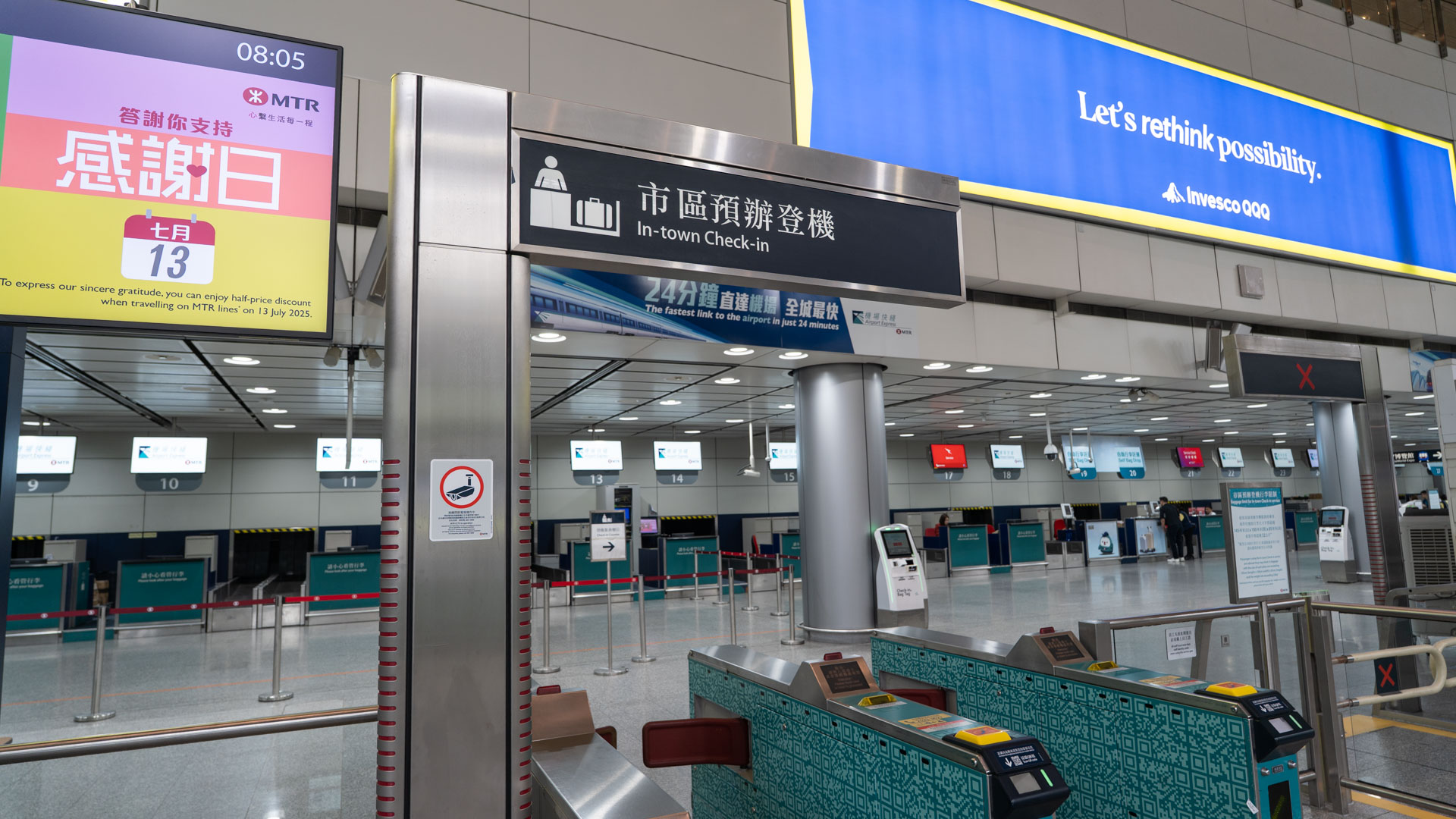
Staying near the Airport Express line? Cathay also offers in-town check-in at Hong Kong and Kowloon stations, which can be a convenient way to drop bags before heading to the airport. Since I was staying near one of them, I opted for in-town check-in before my Hong Kong Express train to the airport.
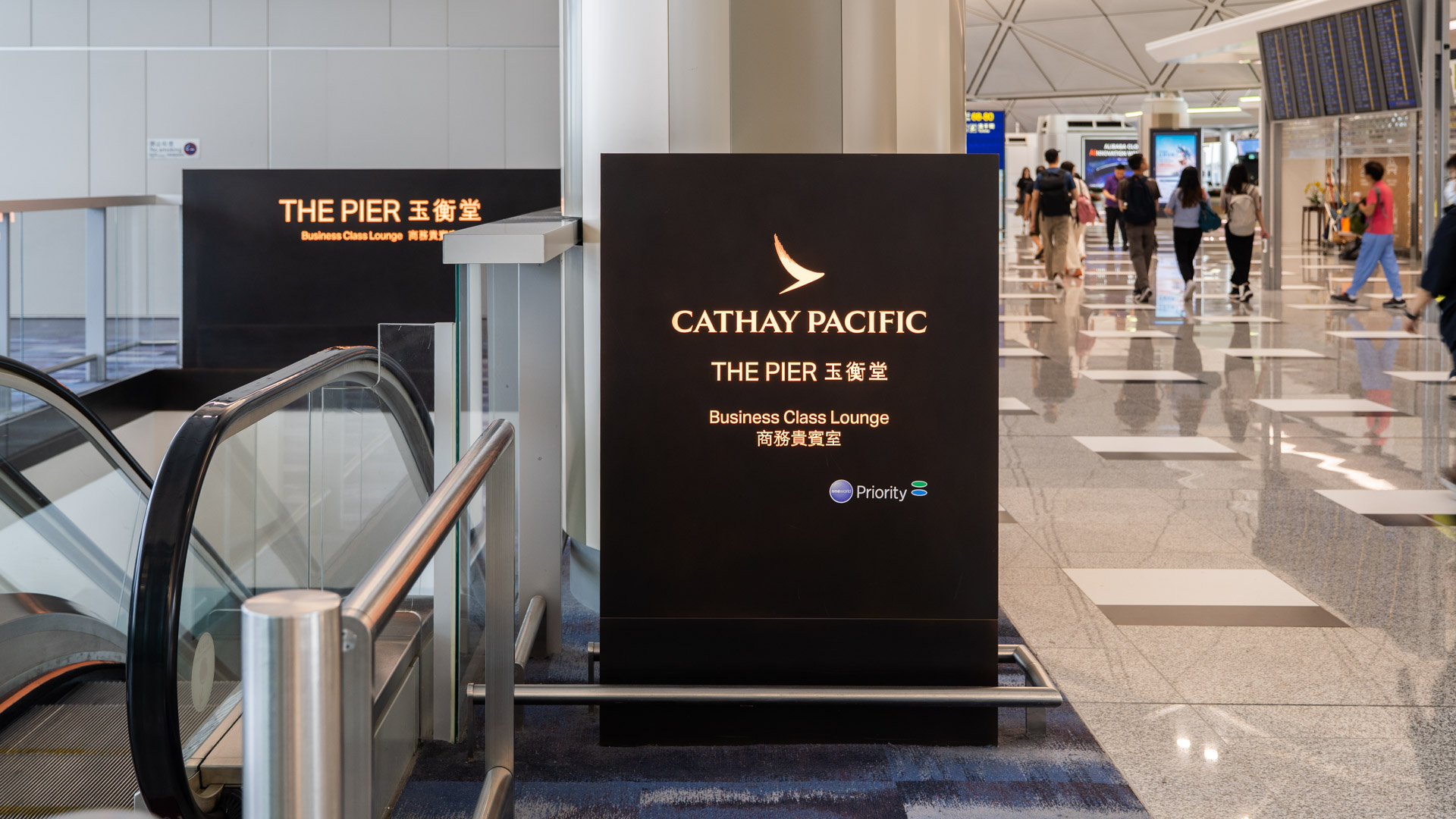
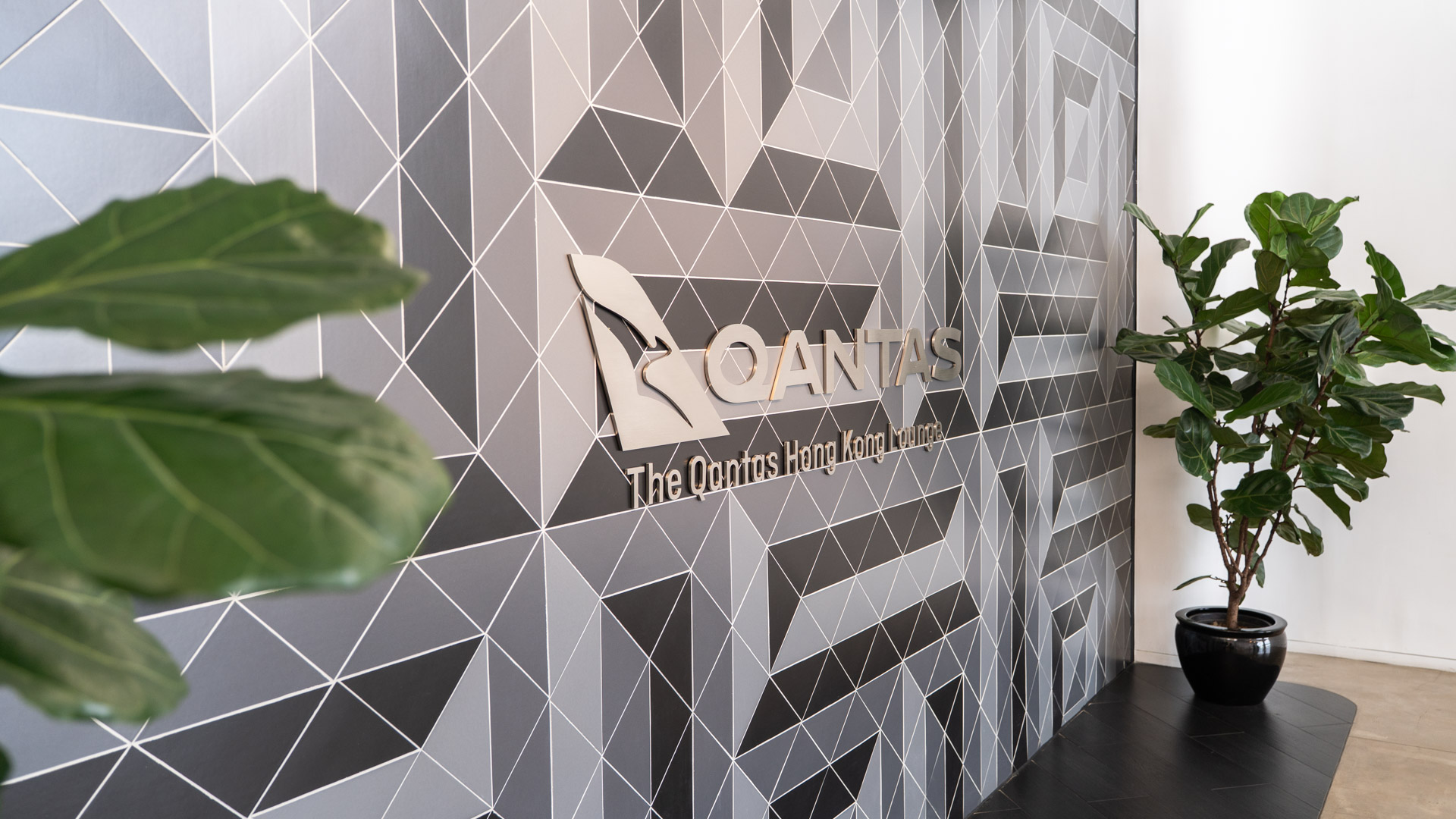
While Cathay’s Premium Economy itself doesn’t include lounge access, the right status card can still get you in. Passengers with oneworld Sapphire-equivalent status (such as Qantas Gold) can access The Qantas Hong Kong Lounge and Cathay Pacific’s various Business Class lounges before departure.
There are also non-airline lounges such as the American Express Centurion Lounge (for Amex Platinum Card Members), Plaza Premium Lounges and a few other third-party lounges that you can access with Priority Pass.
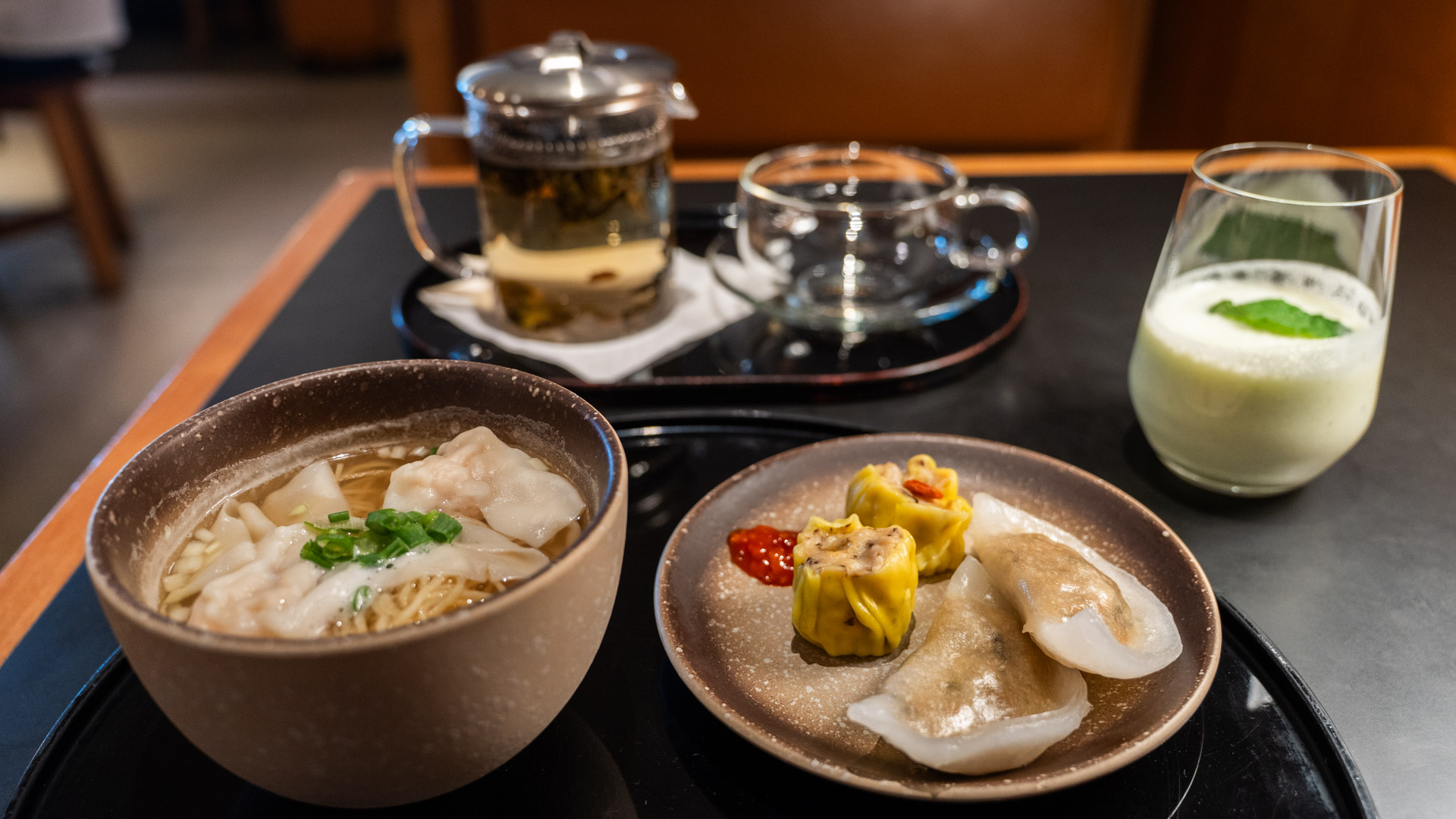
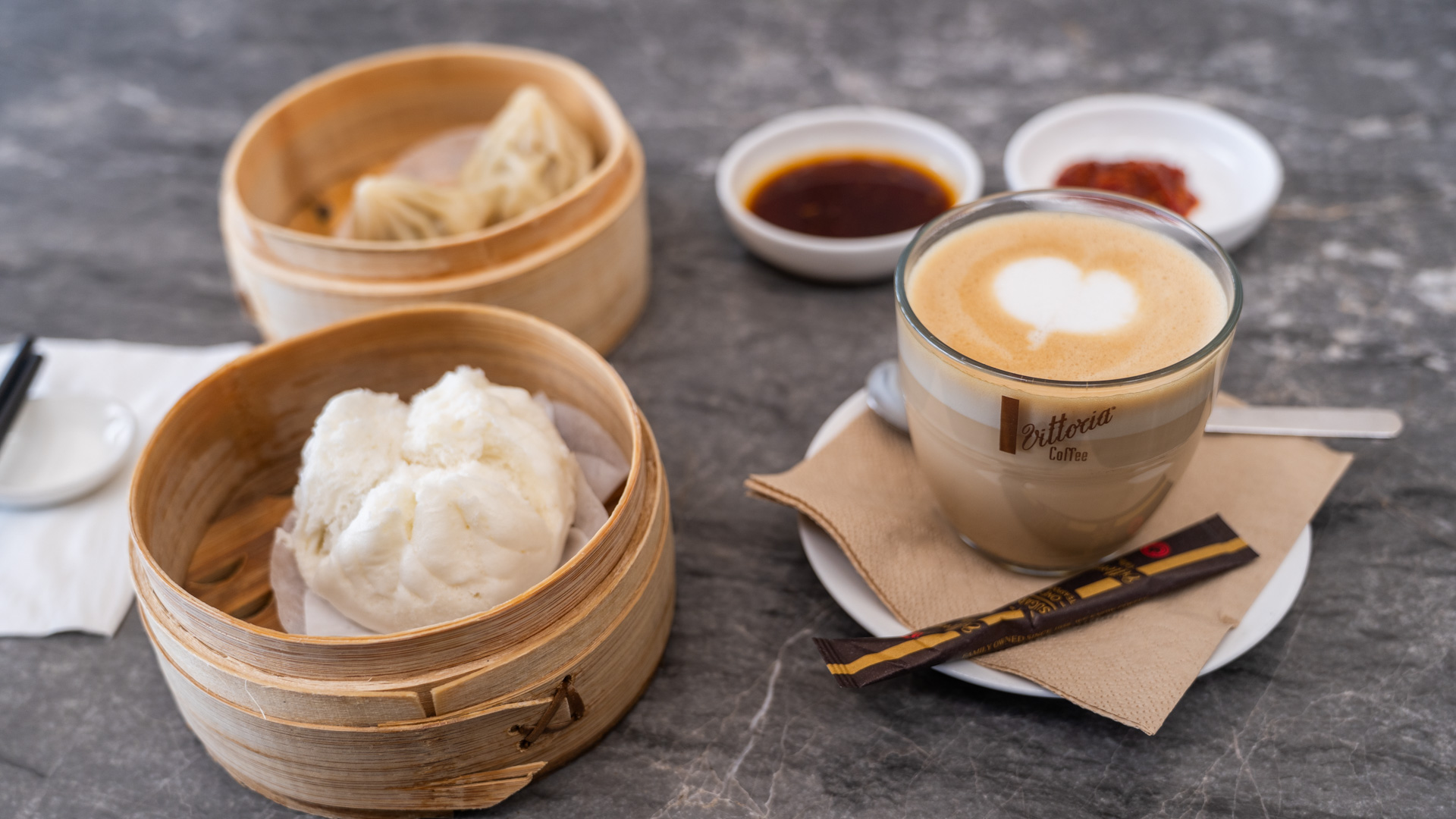
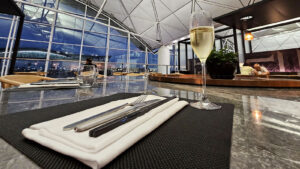
I enjoyed a leisurely breakfast, starting in the Qantas Lounge for dim sum and a flat white, then moving to Cathay Pacific’s The Pier Business Lounge for wonton noodles.
Seat and layout
Cathay Pacific’s 28-seat Premium Economy cabin is configured in a 2-4-2 layout on the A350-900, located in a dedicated cabin immediately behind Business Class. Each seat has a generous 40″ of seat pitch – in comparison, each seat has 2″ or roughly 5.1cm more usable legroom than in Qantas Premium Economy.
The seats are noticeably wider and more comfortable than in Economy (also by 2″ or ~5.1 cm), with greater recline and a dedicated leg rest. Many passengers will also enjoy the integrated leg and footrests, though, as always, I’m a bit too tall to make full use of them.
While it’s nowhere near as luxurious as lie-flat Business Class, the extra space and improved ergonomics create a clear gap between Premium Economy and standard Economy. On daytime regional flights such as Hong Kong to Singapore, it’s already enough of an upgrade for me.
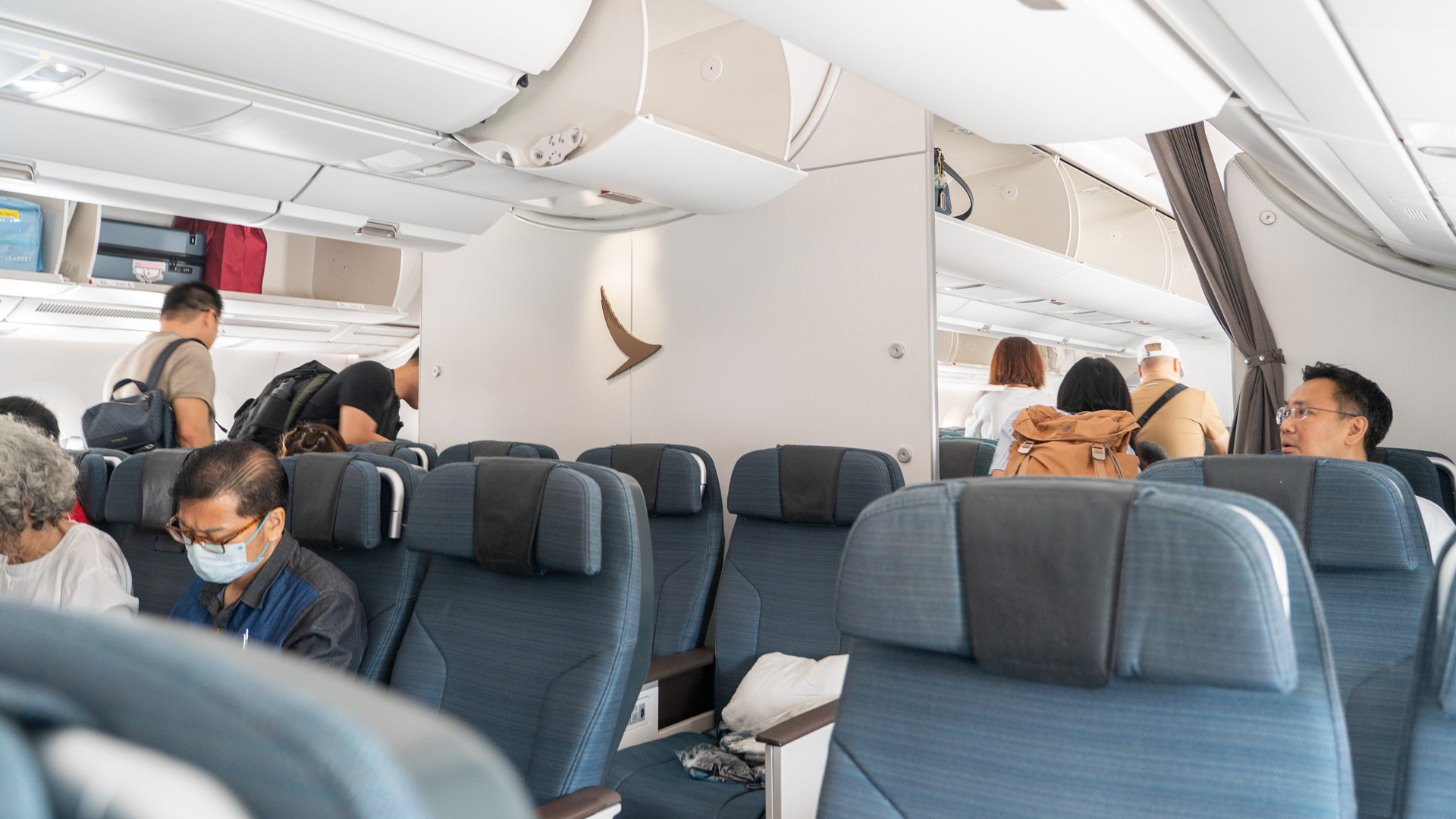
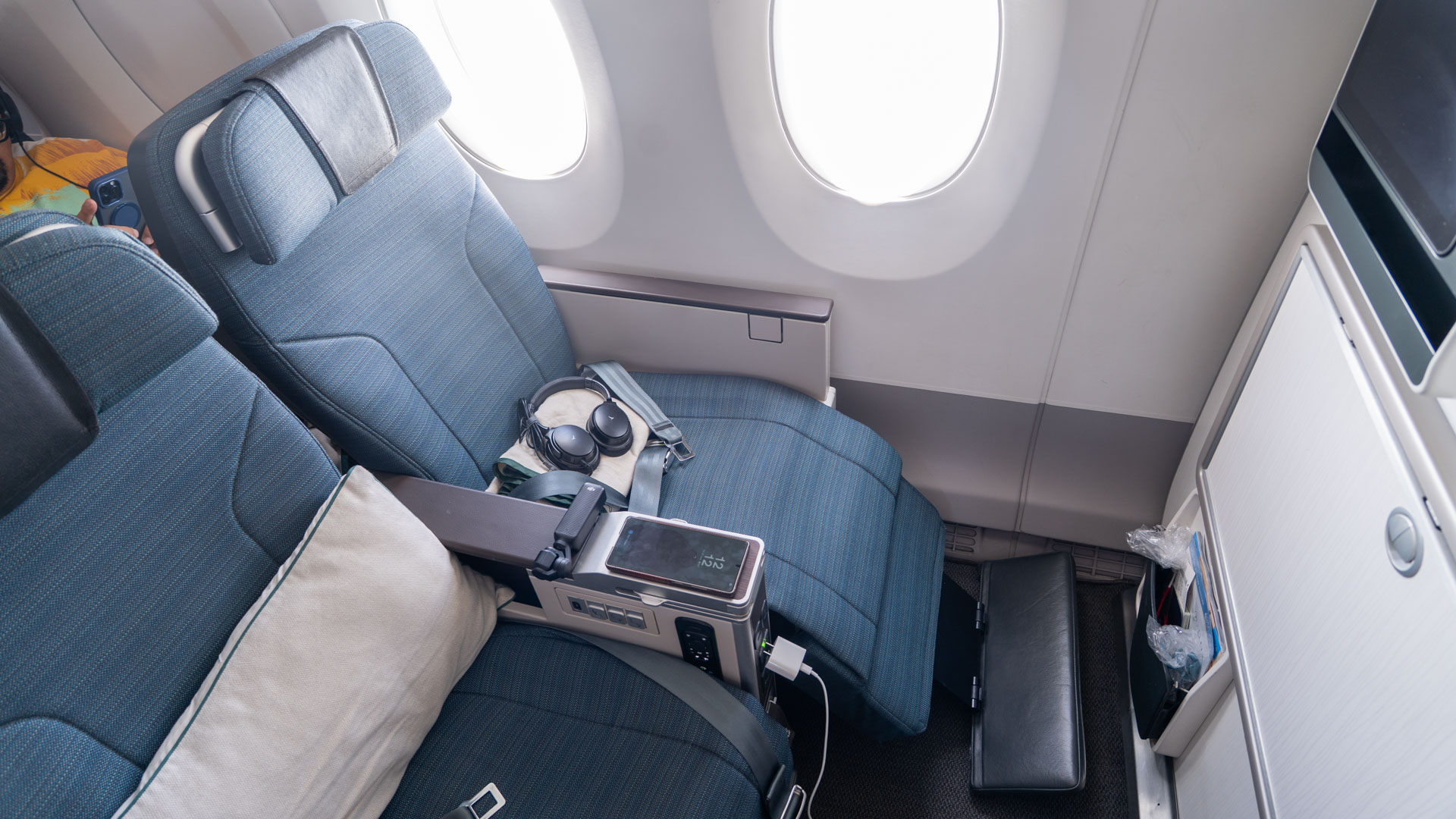
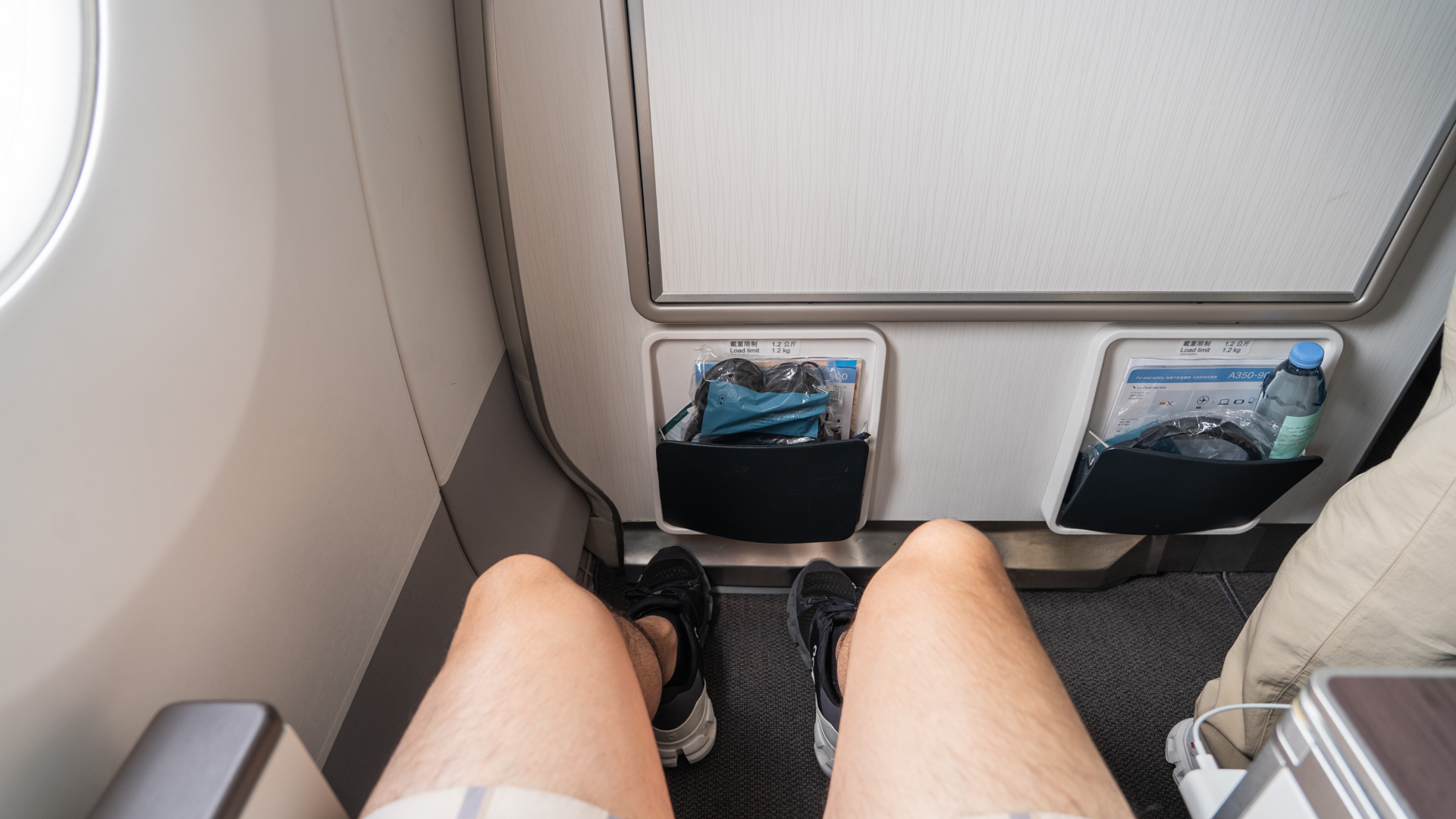
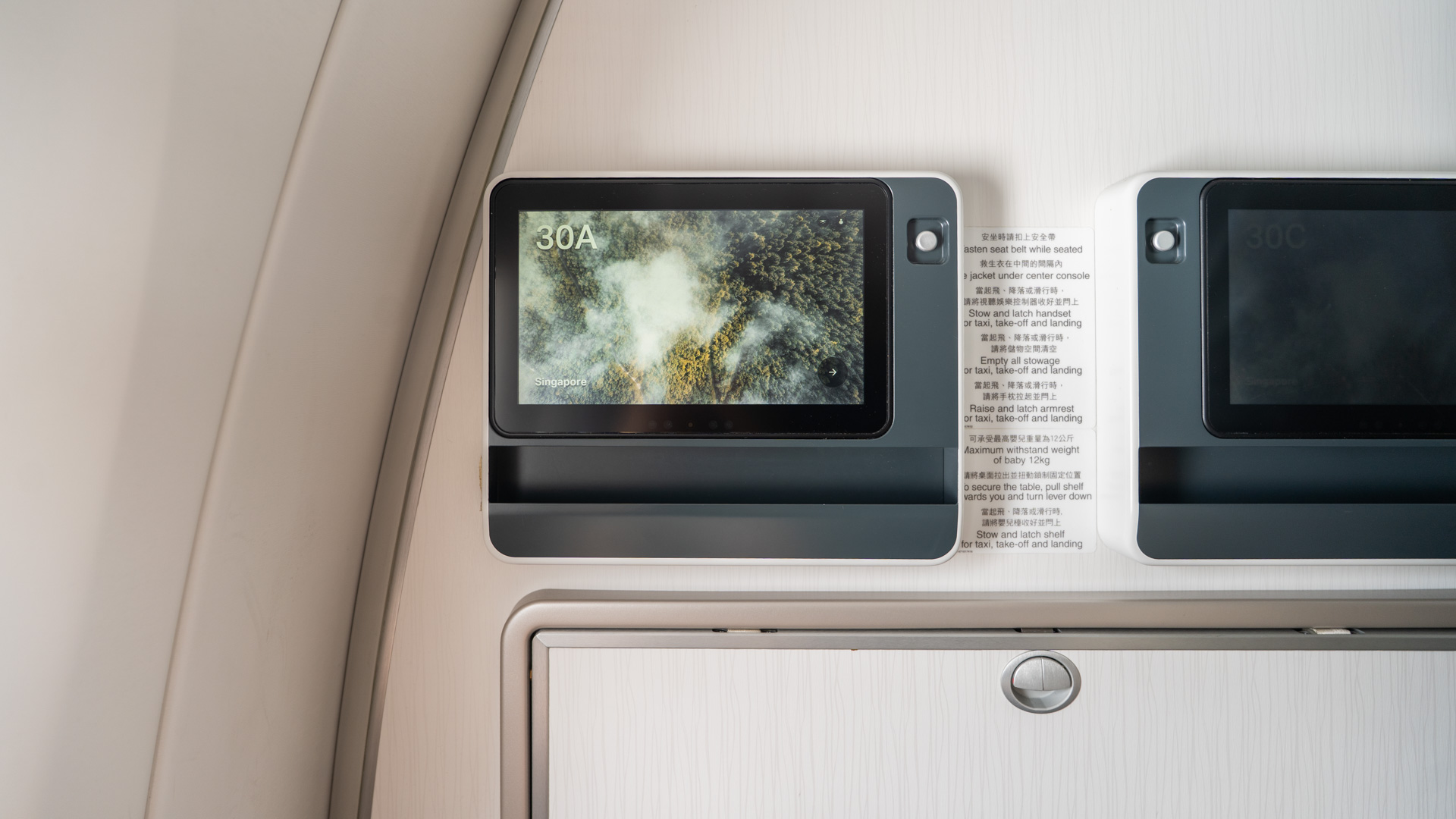
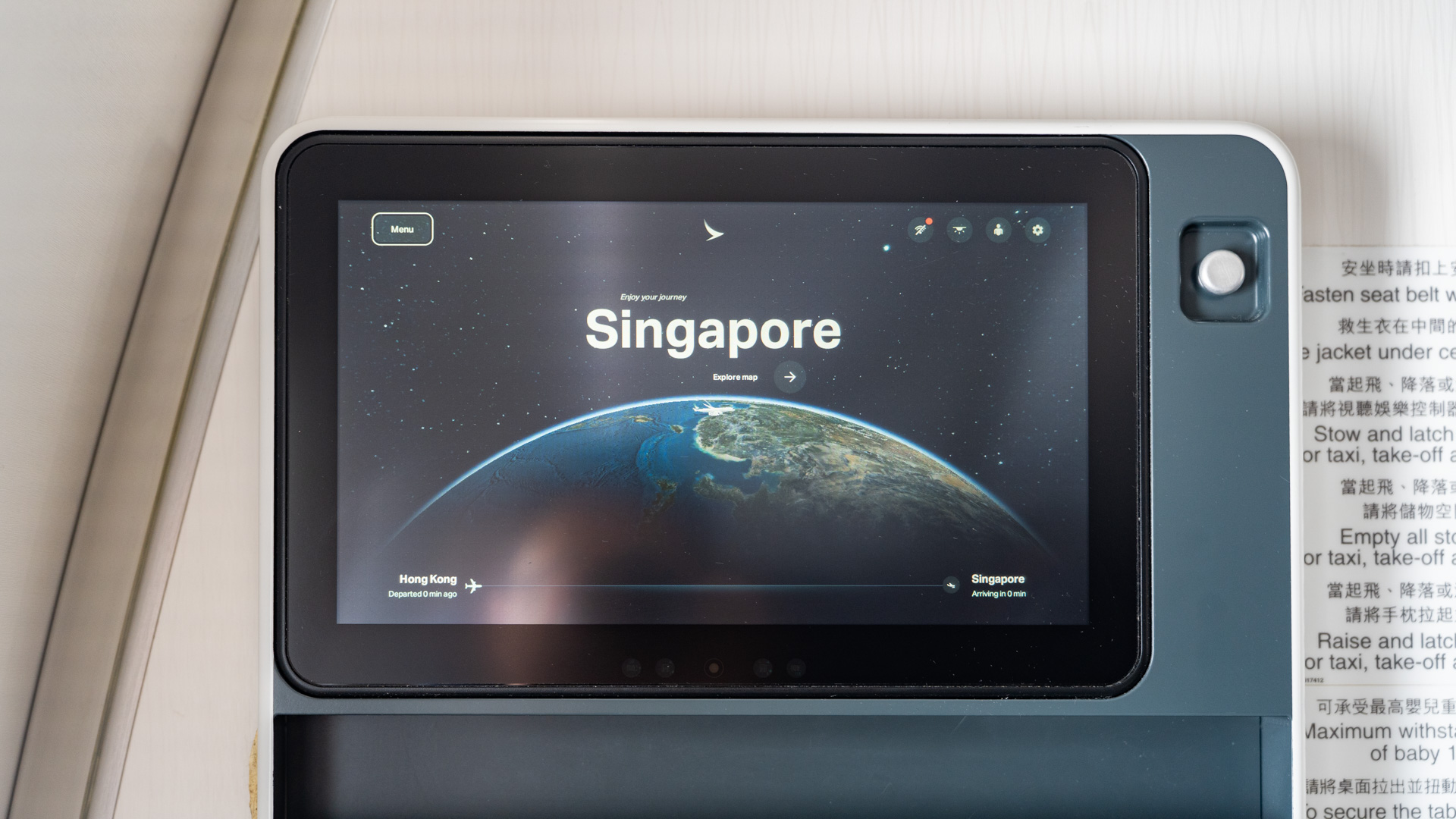
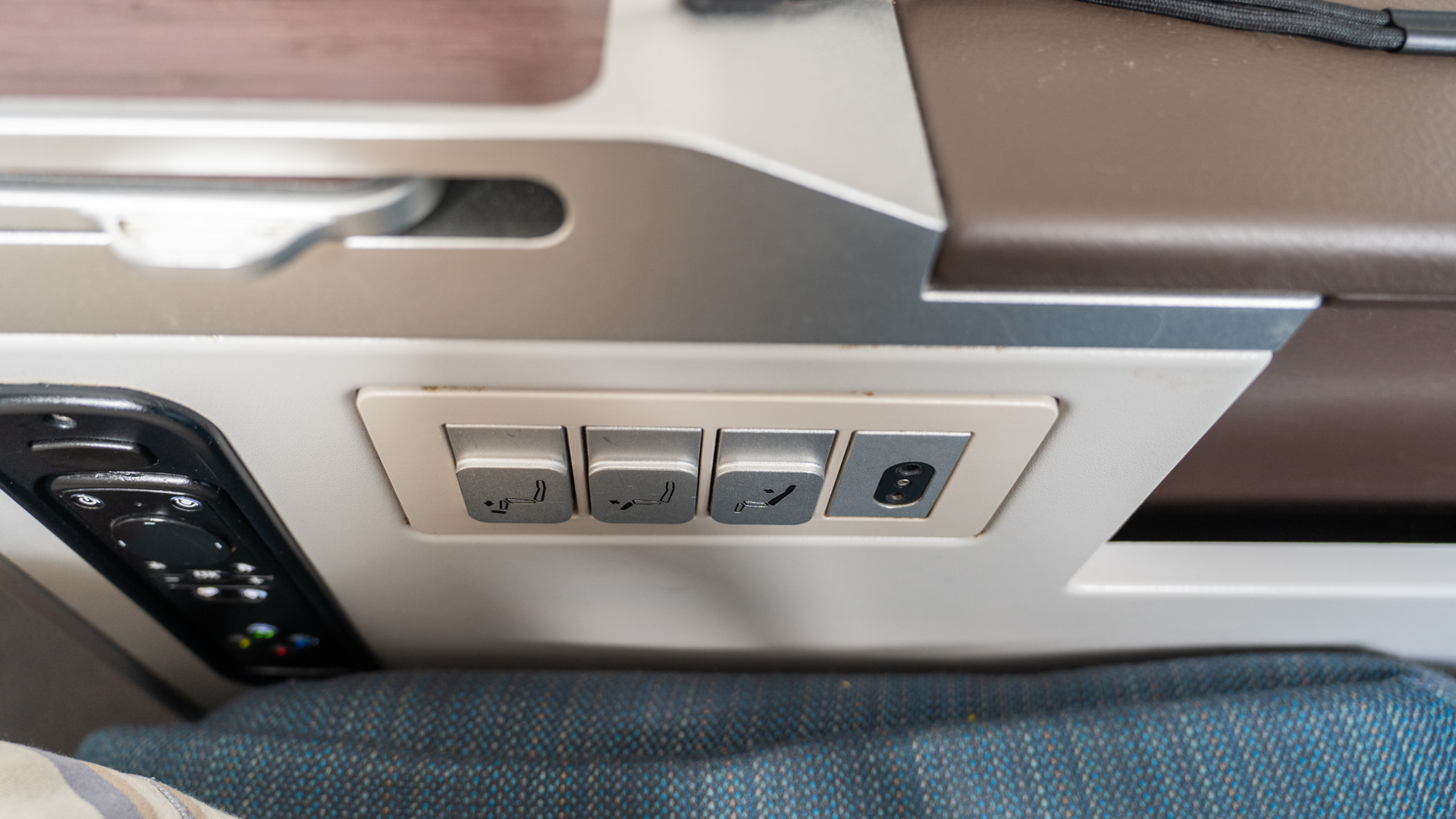
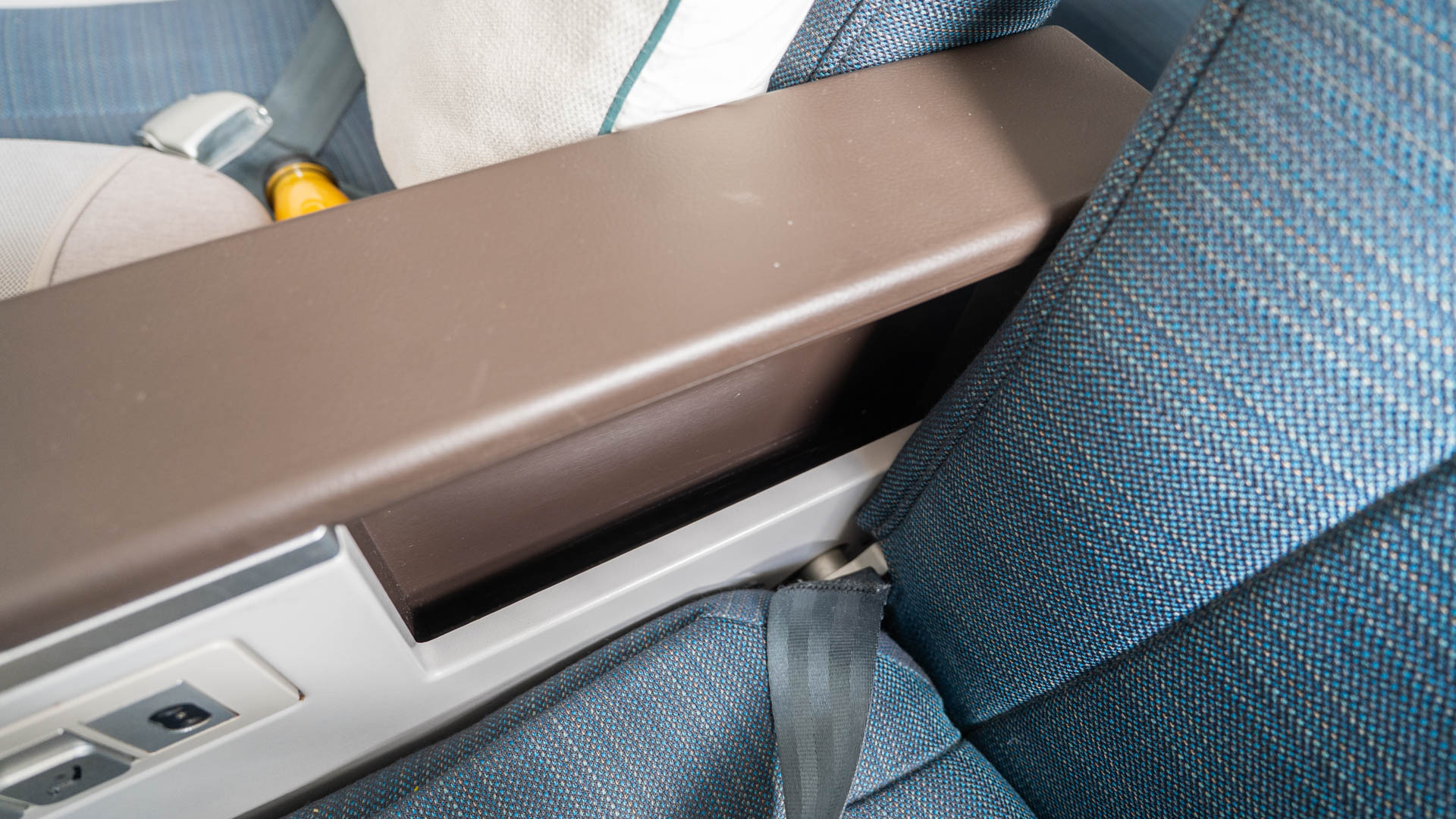
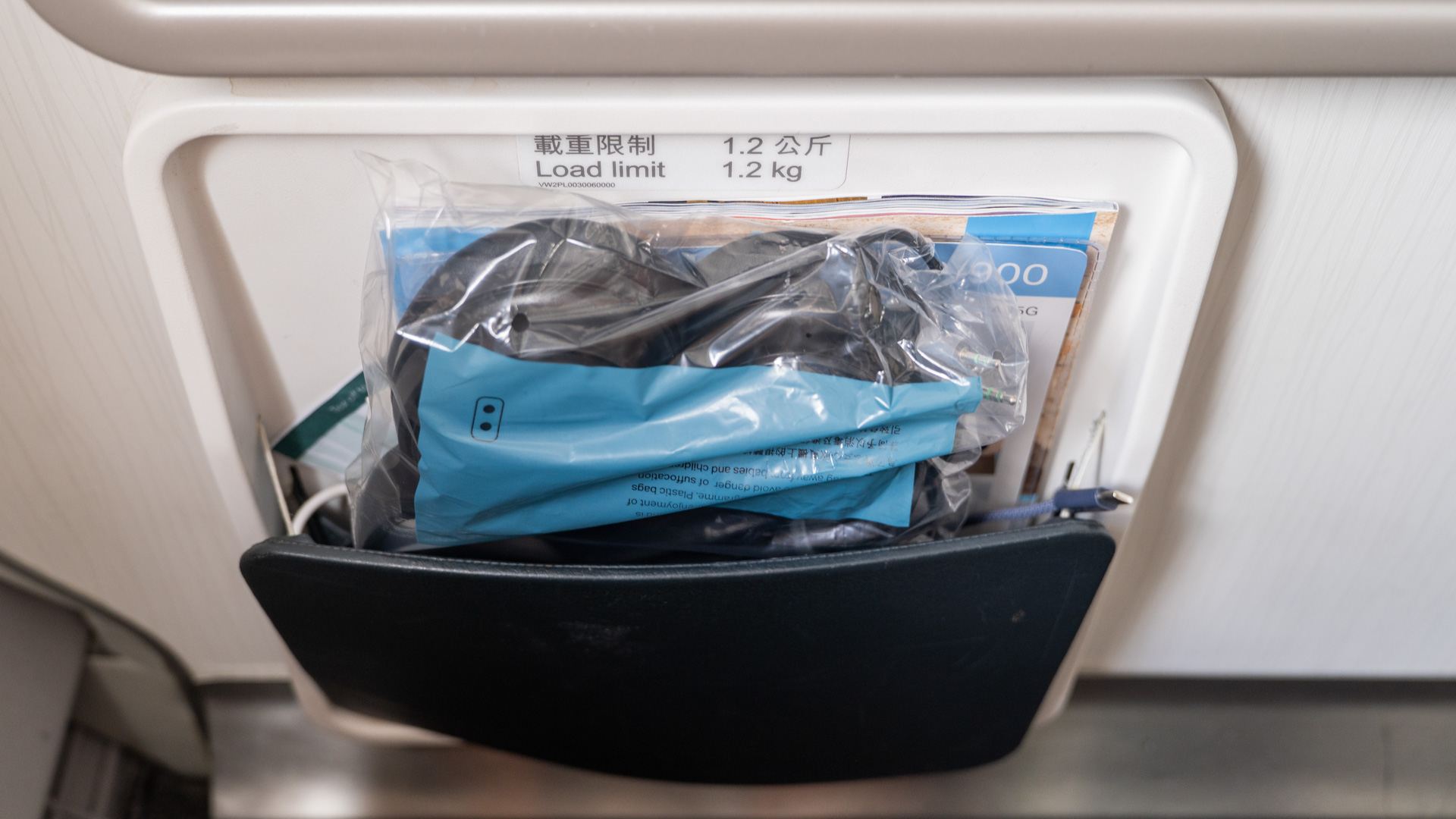
Each seat has a 12.1″ entertainment screen. On the bulkhead, it’s fixed in front, which puts it at a slightly higher eye level than usual. The seat has manual controls for recline and the swing-out legrest. Under the armrests, there’s also a small storage area, plus you also have a pocket in front.
Food and beverage
In Premium Economy, Cathay Pacific serves plated meals that resemble those in Business Class. On this flight, I enjoyed my Chinese-style braised chicken with rice, served with a range of bread (I picked garlic, of course), a salad, a fruit plate, and Häagen-Dazs ice cream. It’s quite a comprehensive selection.
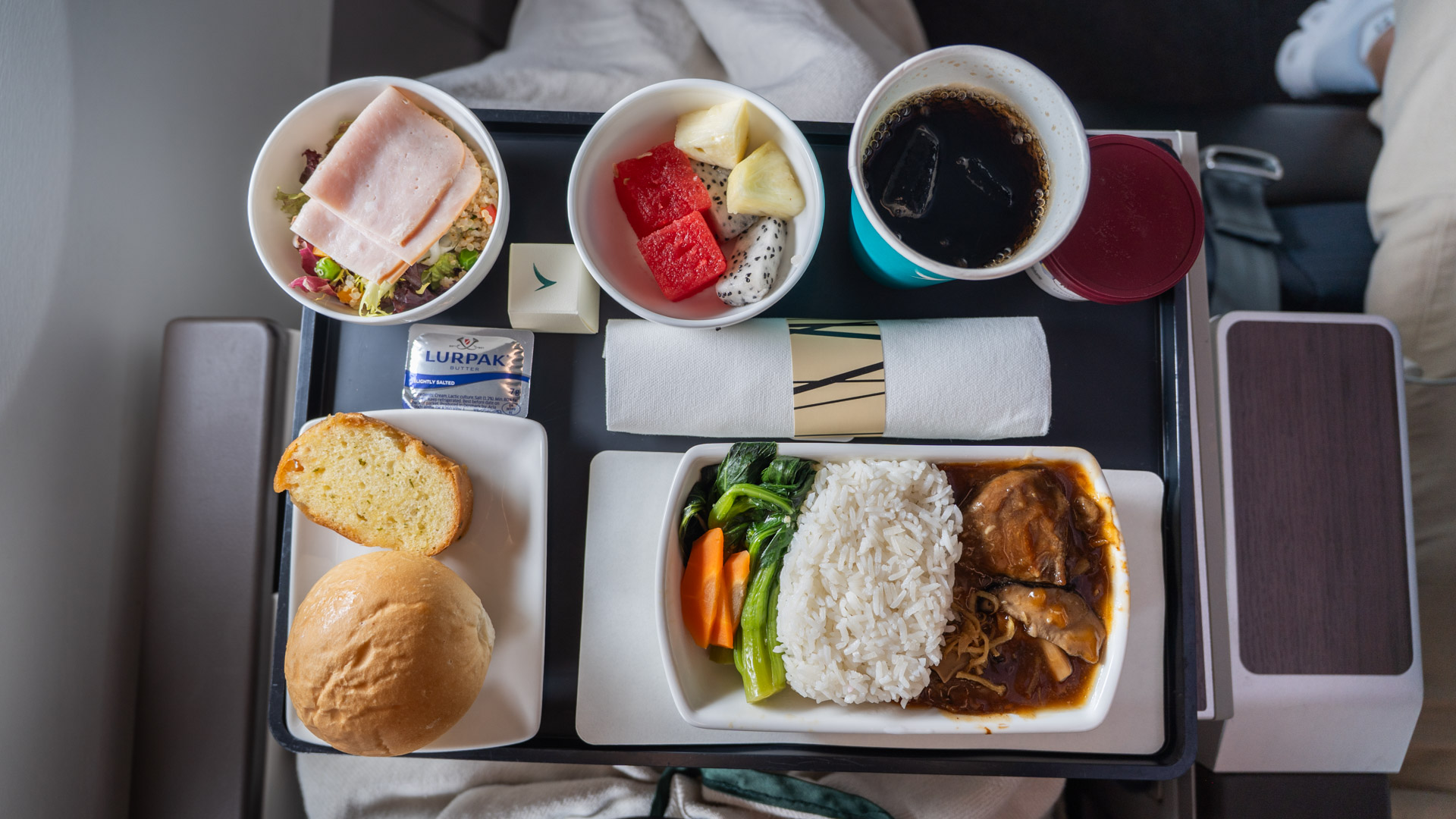
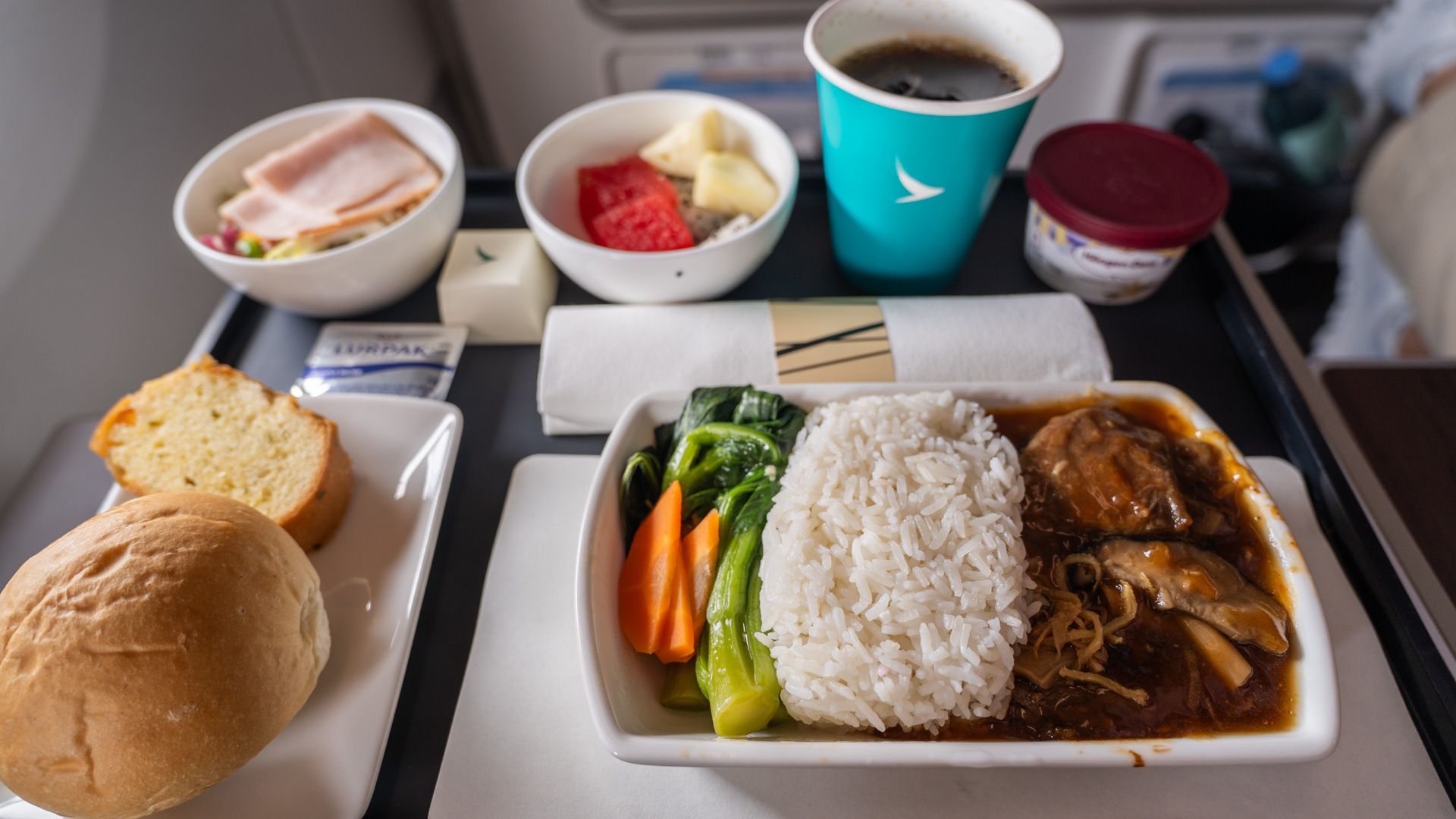
Drinks are served in paper cups, which feel much less premium (Qantas provides glassware in Premium Economy, by comparison). A full range of beers, wines and spirits is offered alongside soft drinks, tea and water.
Service and amenities
Service in Cathay’s Premium Economy is attentive and professional. Cabin crew strike a good balance between warmth and efficiency. There’s clearly a VIP passenger (perhaps a Cathay Diamond member?) seated next to me, as he has a bottle of water on arrival and multiple crew check-ins throughout the flight.
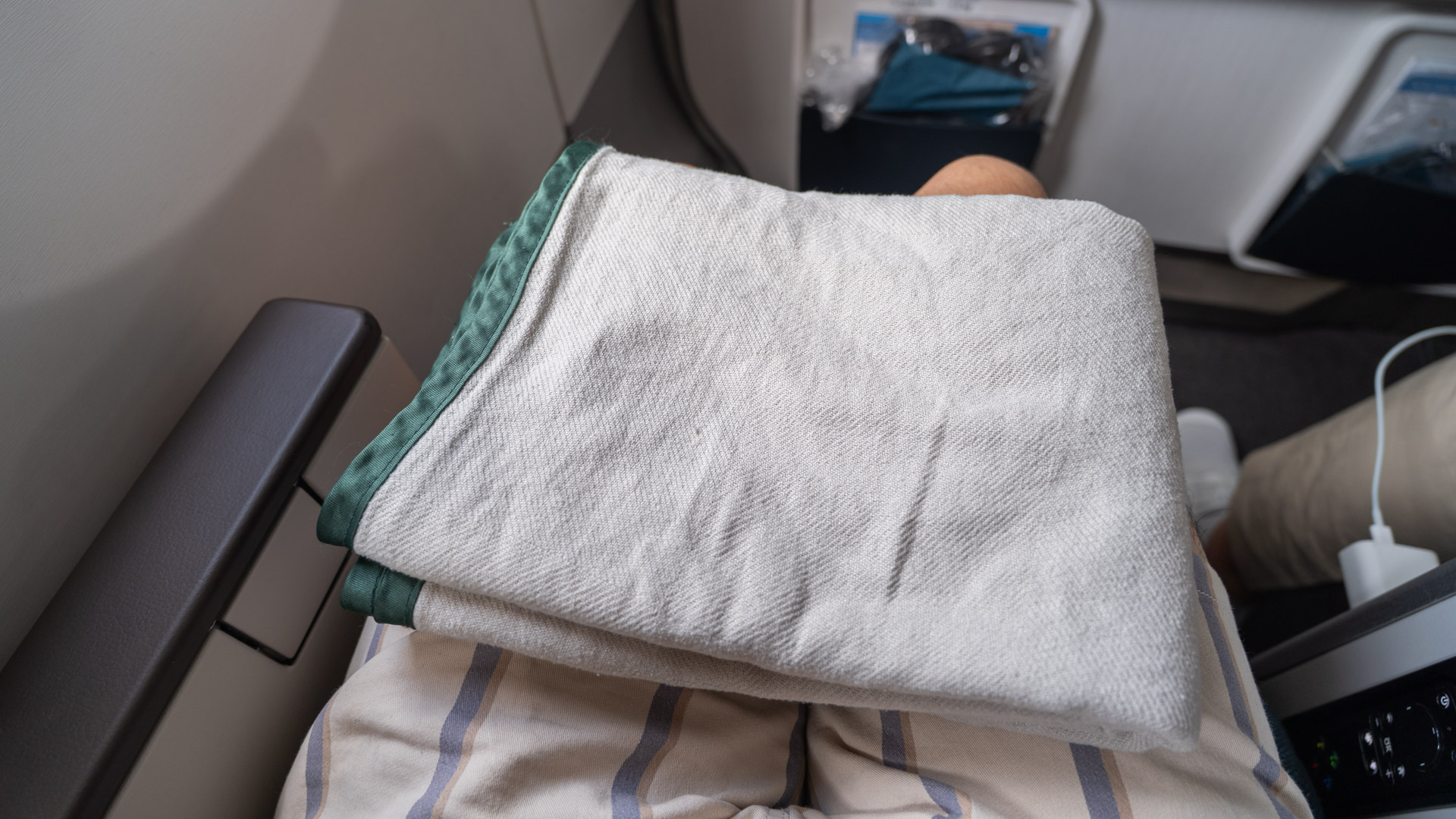
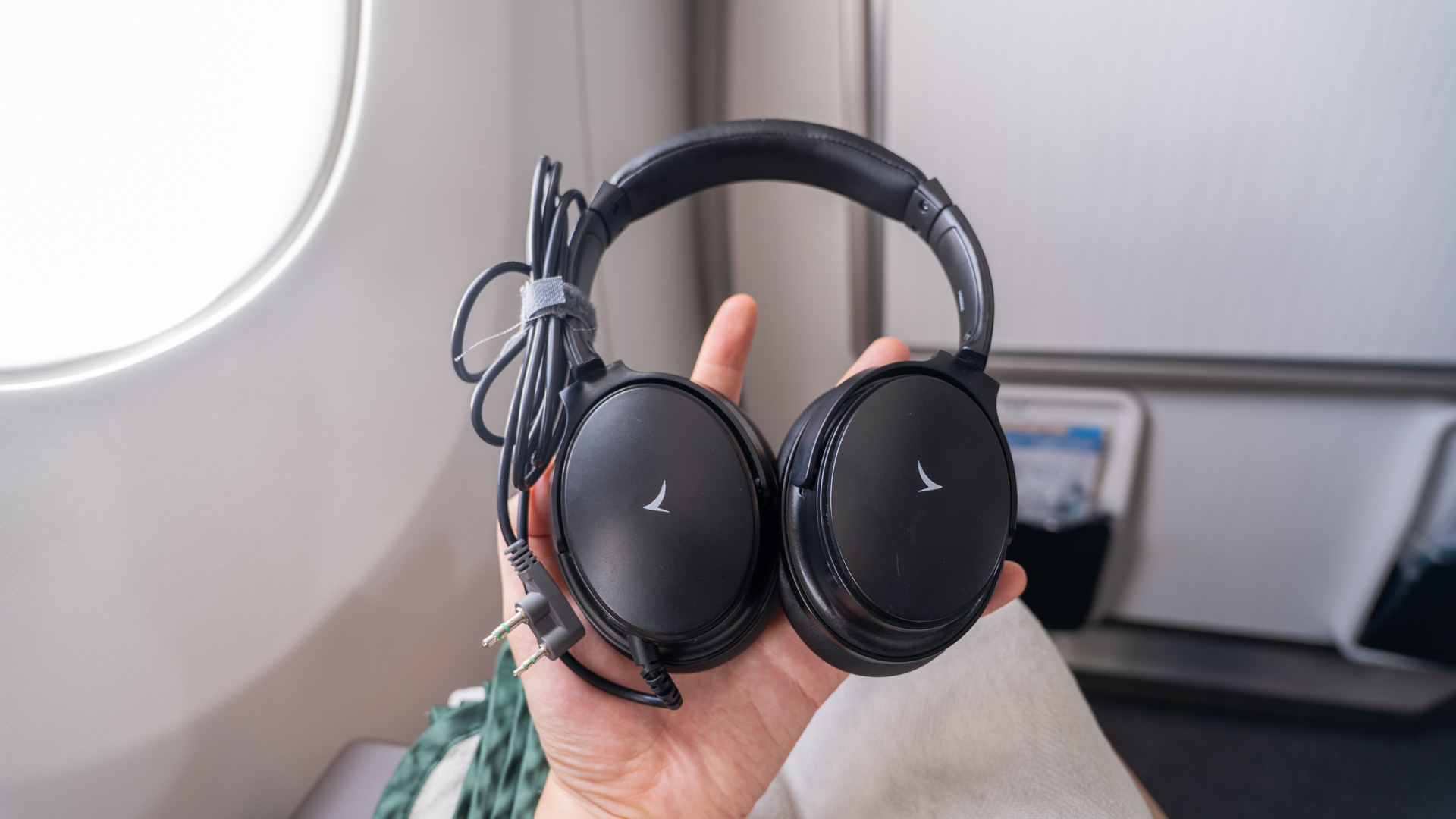
Apart from noise-cancelling headphones and a blanket, Premium Economy doesn’t receive amenity kits or have access to exclusive lavatories. Instead, the numerous Economy lavatories behind the curtain are available.
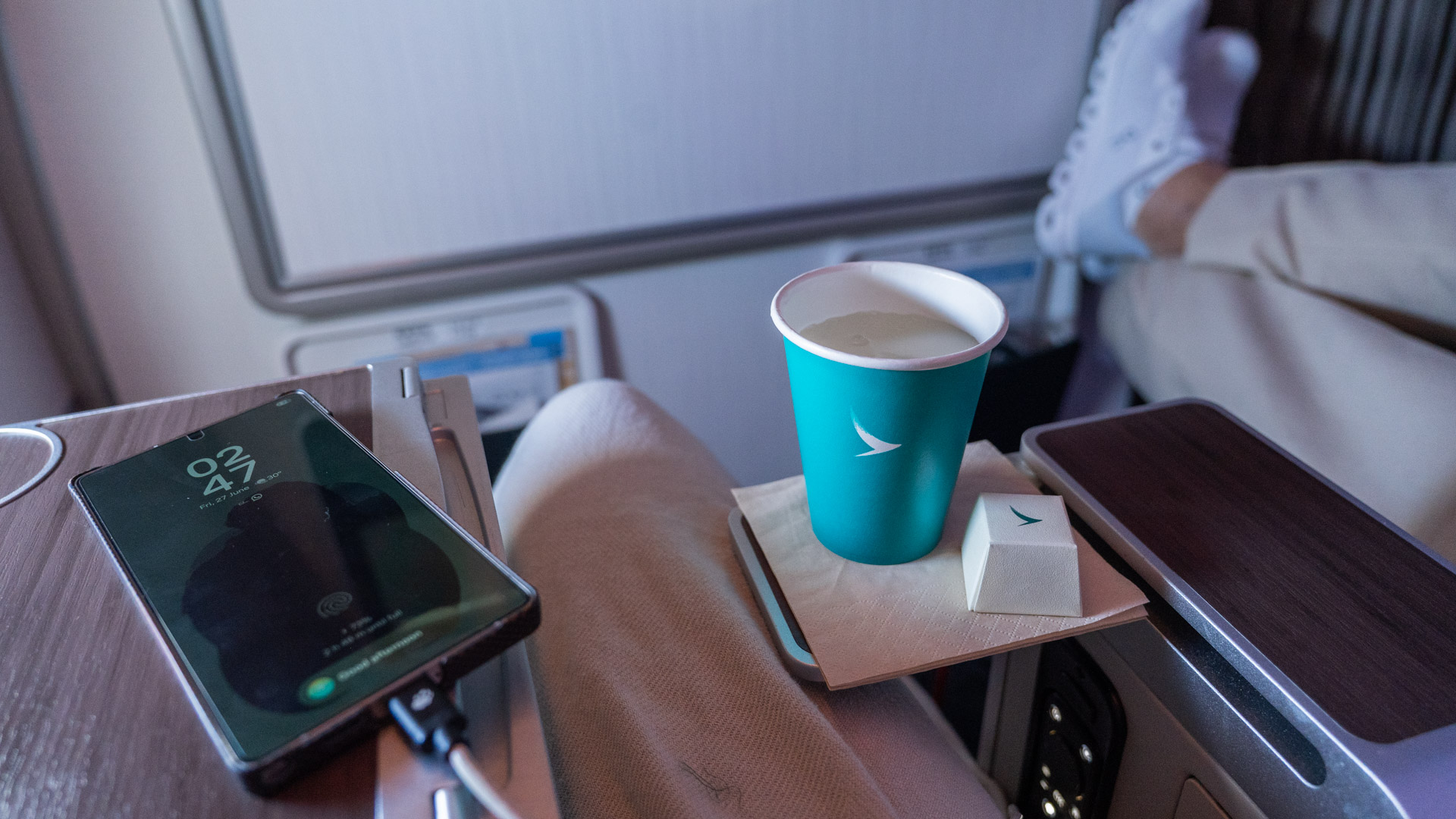
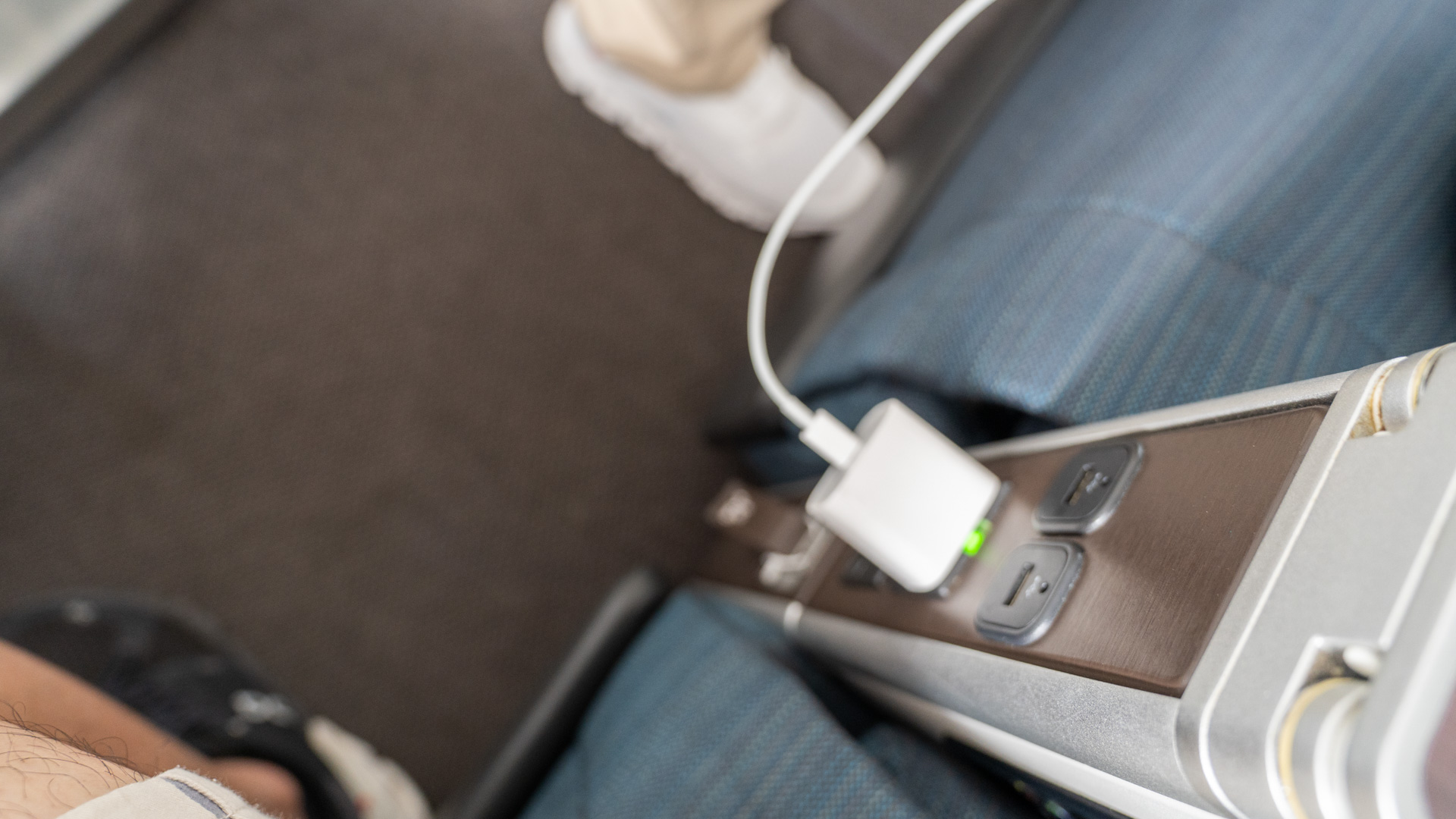
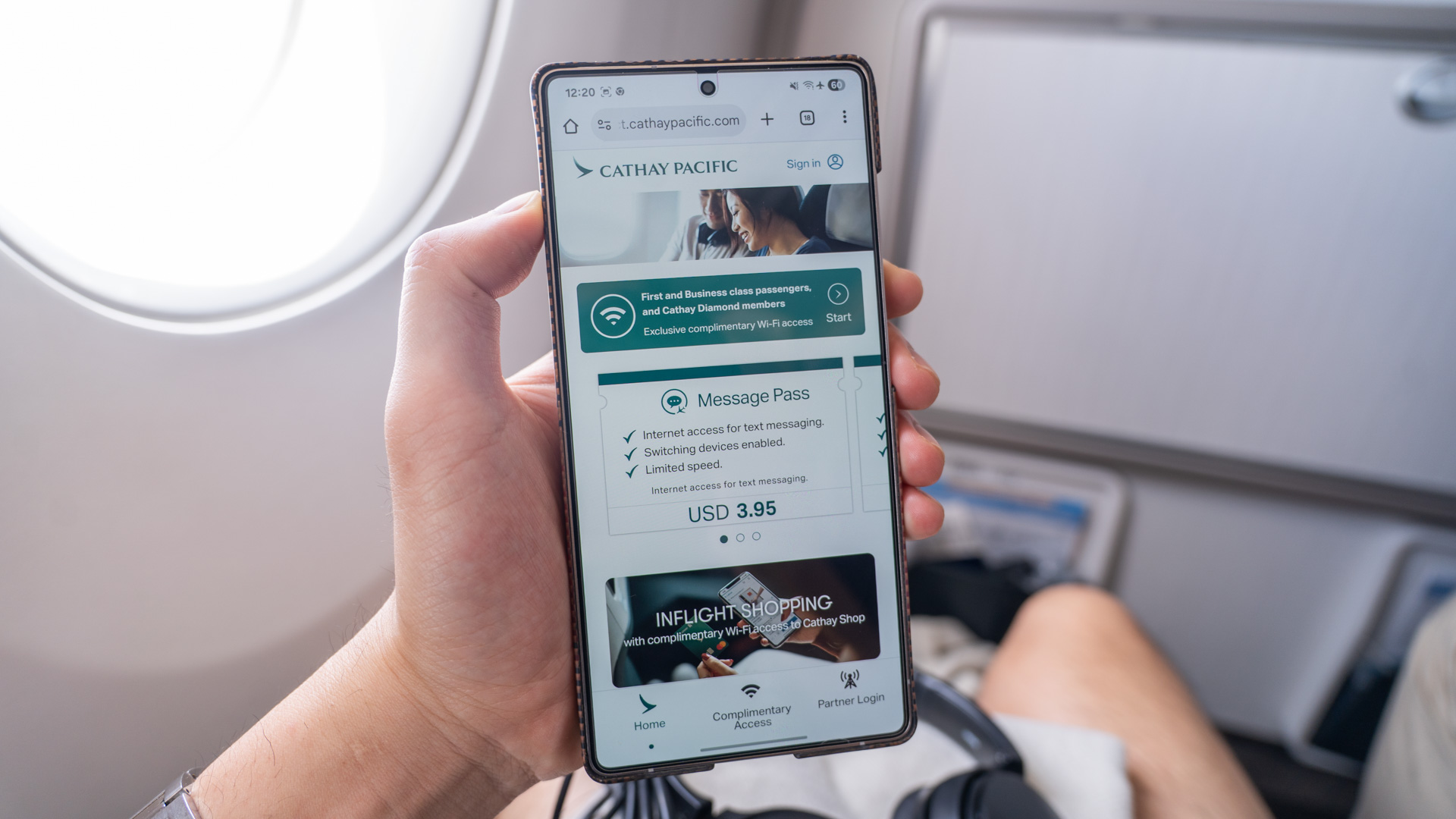
Each seat has USB and AC charging ports, which worked well during the flight. Unfortunately, Wi-Fi isn’t free in Premium Economy unless you’re a Cathay Diamond member. A basic messaging pass starts from US$3.95.
How to book this flight with points
You can book Cathay Pacific Premium Economy using the points or miles of any oneworld member or partner airline. In Australia, that’s most commonly Qantas Points or Cathay’s own Asia Miles.
- Qantas Points: 36,200 points + HKD 616 (A$112)
- Asia Miles: 20,000 miles + HKD 616 (A$112)
Cathay’s Asia Miles can be transferred from American Express Membership Rewards (MR) points in Australia. However, the rate recently changed to 3:1, so you would need 60,000 MR points to send to Cathay.
That’s still better than transferring 72,400 MR points to Qantas at the existing 2:1 rate, which is also limited to selected cards only (such as the Amex Platinum).
Qantas American Express Ultimate

Offer ends: 17 Nov 2026
- Bonus points
- Up to 120,000 bonus Qantas Points¹
- Annual fee
- $450 p.a.
- Earn
- 1.25 Qantas Points earned per $1 on eligible everyday purchases. 2.25 Qantas Points per $1 spent on selected Qantas products and services in Australia. 0.5 Qantas Point per $1 at government bodies in Australia. After a total of 100,000 Qantas Points is earned in a calendar year, the everyday earn rate will change from 1.25 to 1 Qantas Point per $1 spent.
Qantas American Express Ultimate
Offer ends: 17 Nov 2026
- Bonus Points
- Up to 120,000 bonus Qantas Points¹
- Annual Fee
- $450 p.a.
- Earn
- 1.25 Qantas Points earned per $1 on eligible everyday purchases. 2.25 Qantas Points per $1 spent on selected Qantas products and services in Australia. 0.5 Qantas Point per $1 at government bodies in Australia. After a total of 100,000 Qantas Points is earned in a calendar year, the everyday earn rate will change from 1.25 to 1 Qantas Point per $1 spent.
Earn 70,000 bonus Qantas Points¹ with the Qantas American Express Ultimate Card when you apply online by 17 November 2026, are approved, and spend $5,000 in the first 3 months. Plus, an additional 50,000 bonus Qantas Points when you spend a further $5,000 on eligible purchases within the first 3 months of your second year Card Membership. New Amex Card Members only. T&Cs apply.
Our verdict: Cathay Pacific Premium Economy (short-haul)
On the Hong Kong–Singapore route, Cathay Pacific’s A350 Premium Economy strikes an attractive balance between comfort and value.
With noticeably better seats than Economy and solid in-flight service, this ‘Business-lite’ experience is more than good enough for me. It also helps to have oneworld Sapphire status (e.g. Qantas Gold) for priority perks and lounge access. With those covered, it removes much of the need to upgrade to Business.
That said, Business Class doesn’t cost much more on this route. With Cathay, you only need 8,000 more Asia Miles (24,000 Amex MR points). With Qantas, it’s another 9,800 points (19,600 Amex MR points). If you see the availability, have the points, and don’t hold elite status, then Business Class is still a tempting proposition.
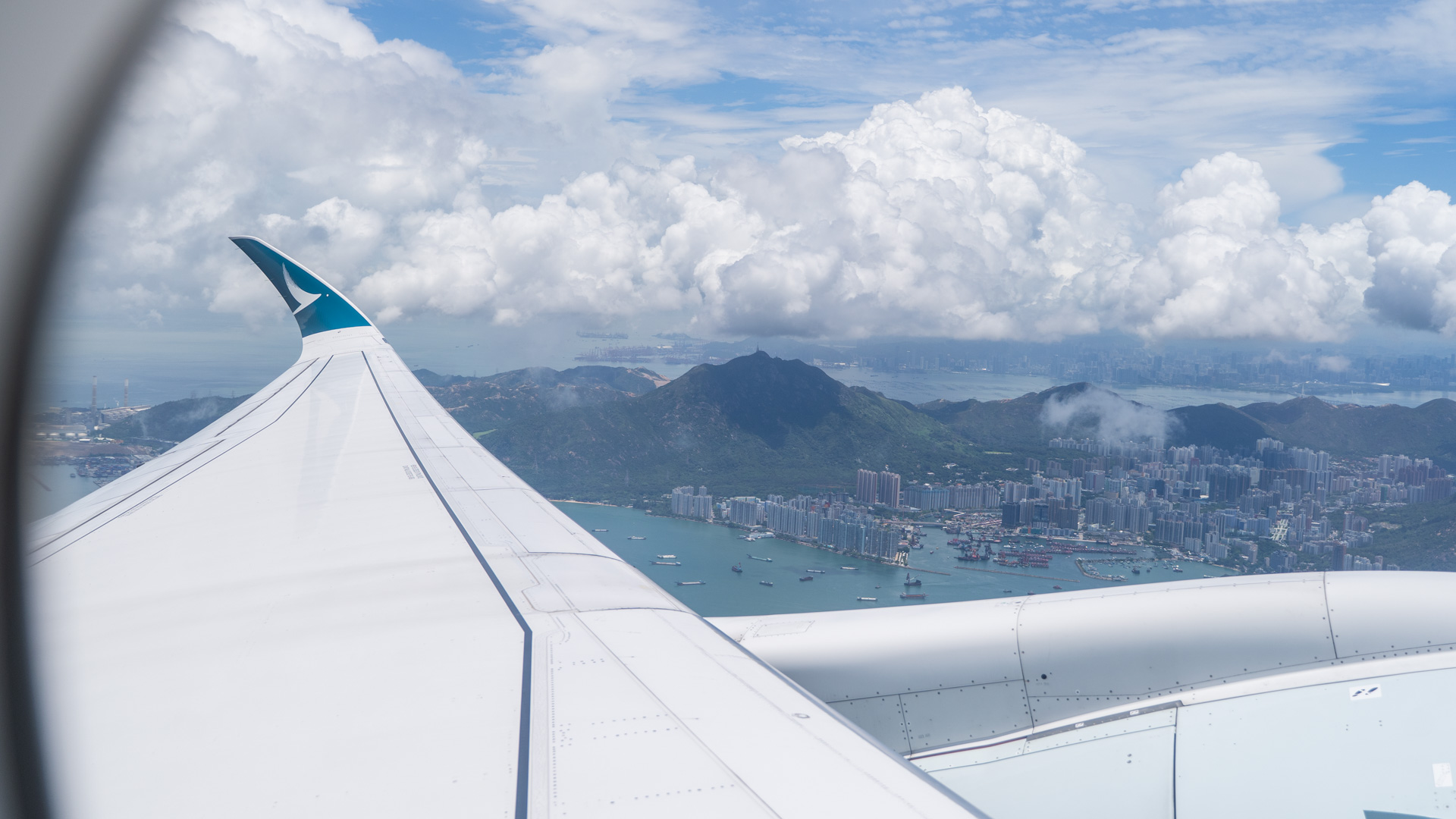
Photography by Brandon Loo, who travelled at Point Hacks’ expense. Lounge access was via his own earned Gold status.

Flew 4 hours intra Asia in CX business on 1Feb26 on 777 in Business (2-3-2) and I would take PE in preference on the A350 as seat and IFE are better.