

POINT HACKS EXCLUSIVE | Traditionally, India has been a country with a fair few barriers to travel. For starters, there’s a long list of recommended vaccines – which aren’t always part of national immunisation programs. But visa requirements can also be strict, and with processing times rather slow.
In recent years, the country has rolled out an e-visa offering to speed things up for some. But there are many restrictions on eligibility, requiring a large number of travellers to still obtain a standard Indian sticker visa before they can fly. It’s a process that means being without a passport for an extended period of time. In my case, taking 5.5 weeks while my passport and application were bouncing between India’s outsourced visa service centre in Melbourne, the High Commission of India in Canberra and the Consulate General of India.
While we got there in the end, it makes the process of obtaining a formal Indian visitor visa among the world’s most cumbersome, for those who require it. Clearly, there’s room for improvement – particularly among would-be travellers who’ve never had issues with immigration.
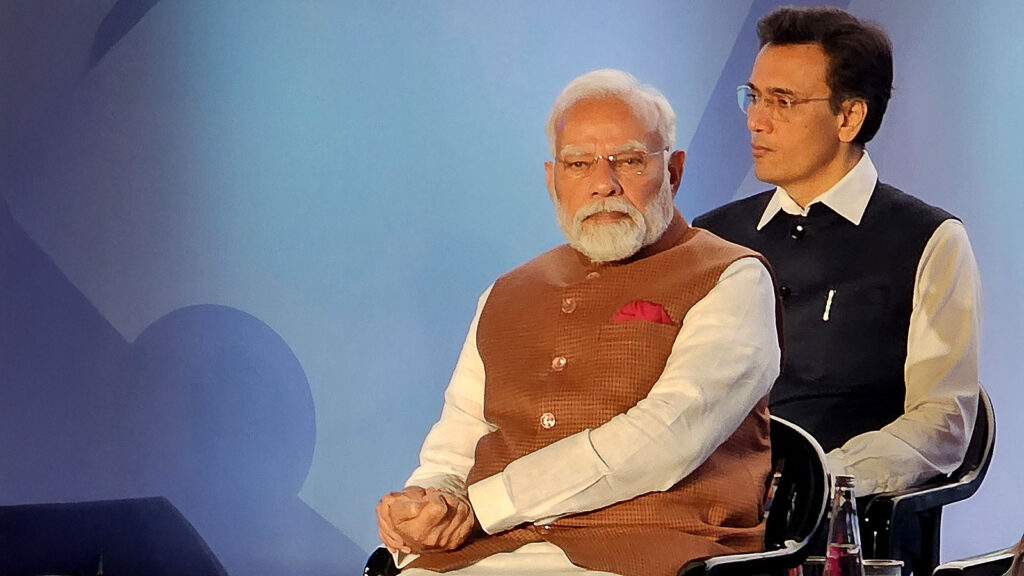
To see what more can be done – and what India has in store – I jetted to Delhi for the recent IATA AGM. At least, after that visa came through! It’s the first time in 42 years that the event has been held in India, and this year’s gathering is at the initiative of IndiGo: the country’s largest airline. Headlining the AGM is Pieter Elbers, CEO of IndiGo, with Indian Prime Minister Shri Narendra Modi also addressing delegates.
NAB Qantas Rewards Signature

- Sign-up Bonus:
- Up to 130,000 bonus Qantas Points + $250 cashback
- Rewards Earn Rate:
- 1 Qantas Point earned per $1 spent up to $5,000, then 0.5 points per $1 thereafter, capped at $20,000 per statement period, plus 1 additional Qantas Points earned per $1 spent on selected Qantas products and services²
- Annual Fee:
- $420 p.a.
- NAB is offering up to 130,000 bonus Qantas Points for new cardholders of the NAB Qantas Rewards Signature Card¹. The card includes complimentary insurances, such as International Travel Insurance, Purchase Protection and Extended Warranty Insurance³, and earns 1 Qantas Point per $1 spent on the first $5,000 per statement period, then 0.5 Qantas Points per $1 on spend up to $20,000.
India’s progress in the travel space
IndiGo has big ambitions for international travel from India. Clearly, its 60 Airbus A350s on order need to be reasonably full – and visitors to India will play a significant part in that.
I ask the IndiGo CEO, point-blank, what he’d like to see on the visa front from India to help make that a success. He begins by sharing the progress that’s already been made.
“When you speak about the visa process, if you allow me to elaborate … for domestic travel, a fantastic IATA system has been developed. Clearly, in terms of number of (domestic) travellers, that was step one to be done.” Elbers is referring to facial recognition, which helps automate and speed up boarding. For those who’ve registered and used it before, it also makes it easier to physically access airport departure terminals and security checkpoints.
“With that system in place and now covering very significant parts of the country, the government of India has started the next phase. (This makes it) accessible for international travellers. So if you arrive here in Delhi Terminal 3, you see the first steps being taken on that part. That’s already in place in some other parts of the world. But I think now with the government of India taking those steps and those initiatives, that’s clearly a step forward in terms of promoting more international travellers and visitors from overseas into India itself.”

“The intention and the first steps are being made on the international front. Clearly, this conference will help to further stimulate and emphasise that. India is blessed with 42 UNESCO World Heritage sites,” Elbers continues. “So the opportunity to build on that from a tourism perspective is just enormous.”
Indian Prime Minister talks travel
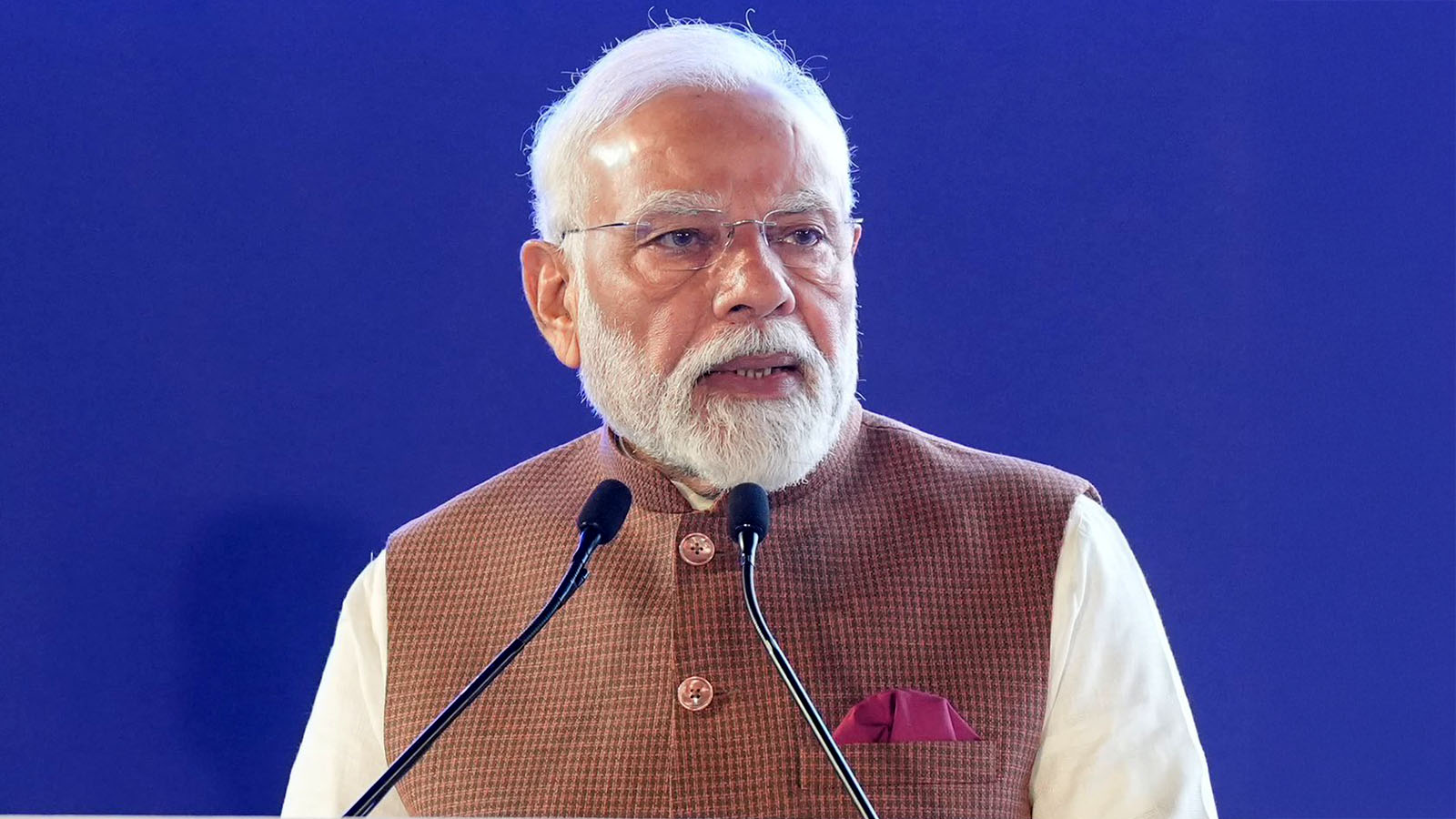
“India’s airports now have an annual handling capacity of 500 million passengers,” continues Prime Minister Shri Narendra Modi. India is “among the few nations setting new standards in user experience through technology.”
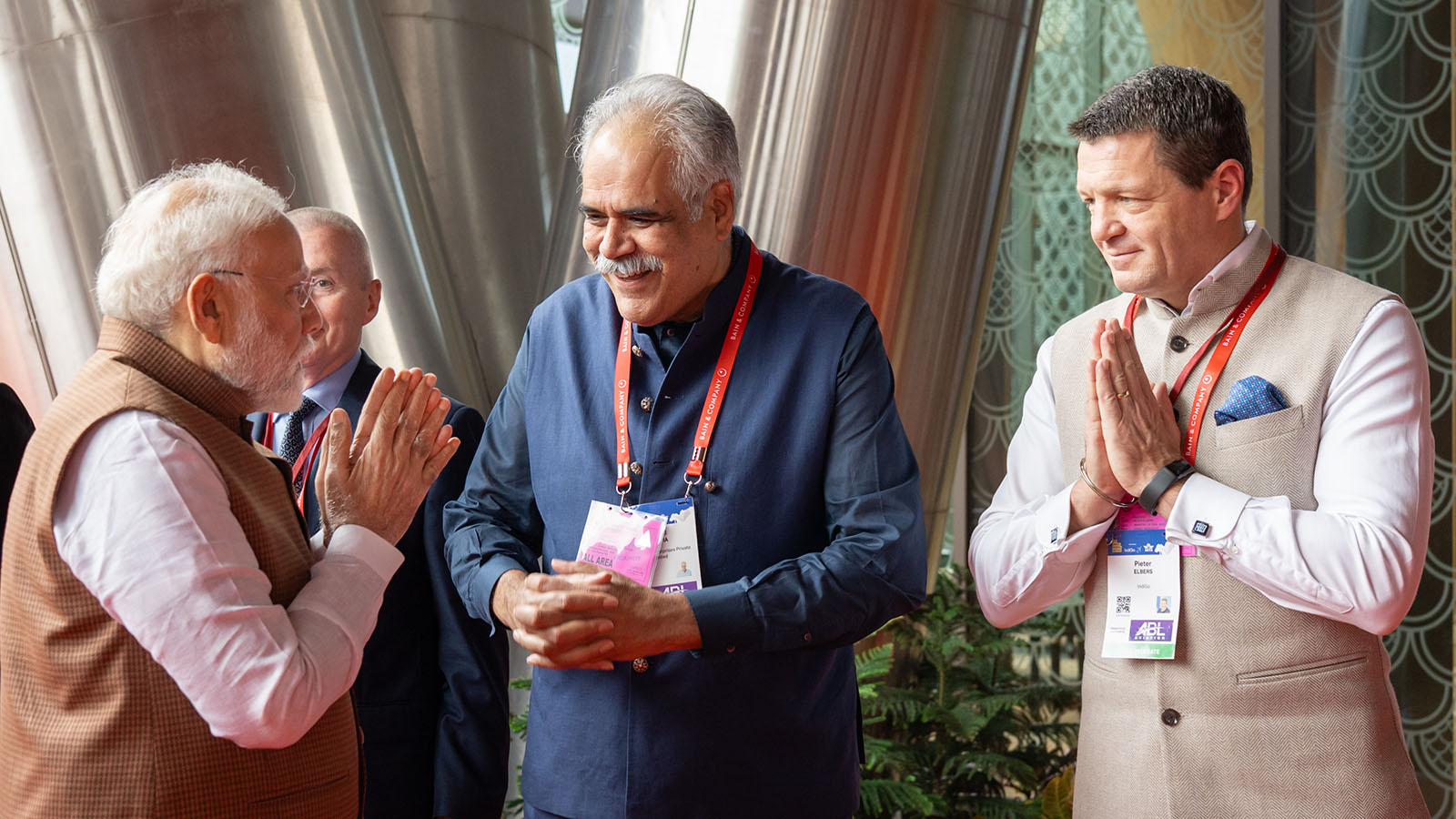
“As speed (of travel) increases, distant destinations are becoming our destiny,” India’s leader elaborates. He further remarks on “humanity’s ability to cover vast distances and intercontinental journeys in mere hours.” But, he stops short of sharing any concrete plans to ease visa requirements – for now.
“In 2014, the country had 74 operational airports, which has now expanded to 162. Indian carriers have placed orders for over 2,000 new aircraft, signalling rapid growth in the sector. This is just the beginning, as India’s aviation industry stands at a crucial take-off point, set to achieve unprecedented heights.”
Air India CEO: airports are developing fast
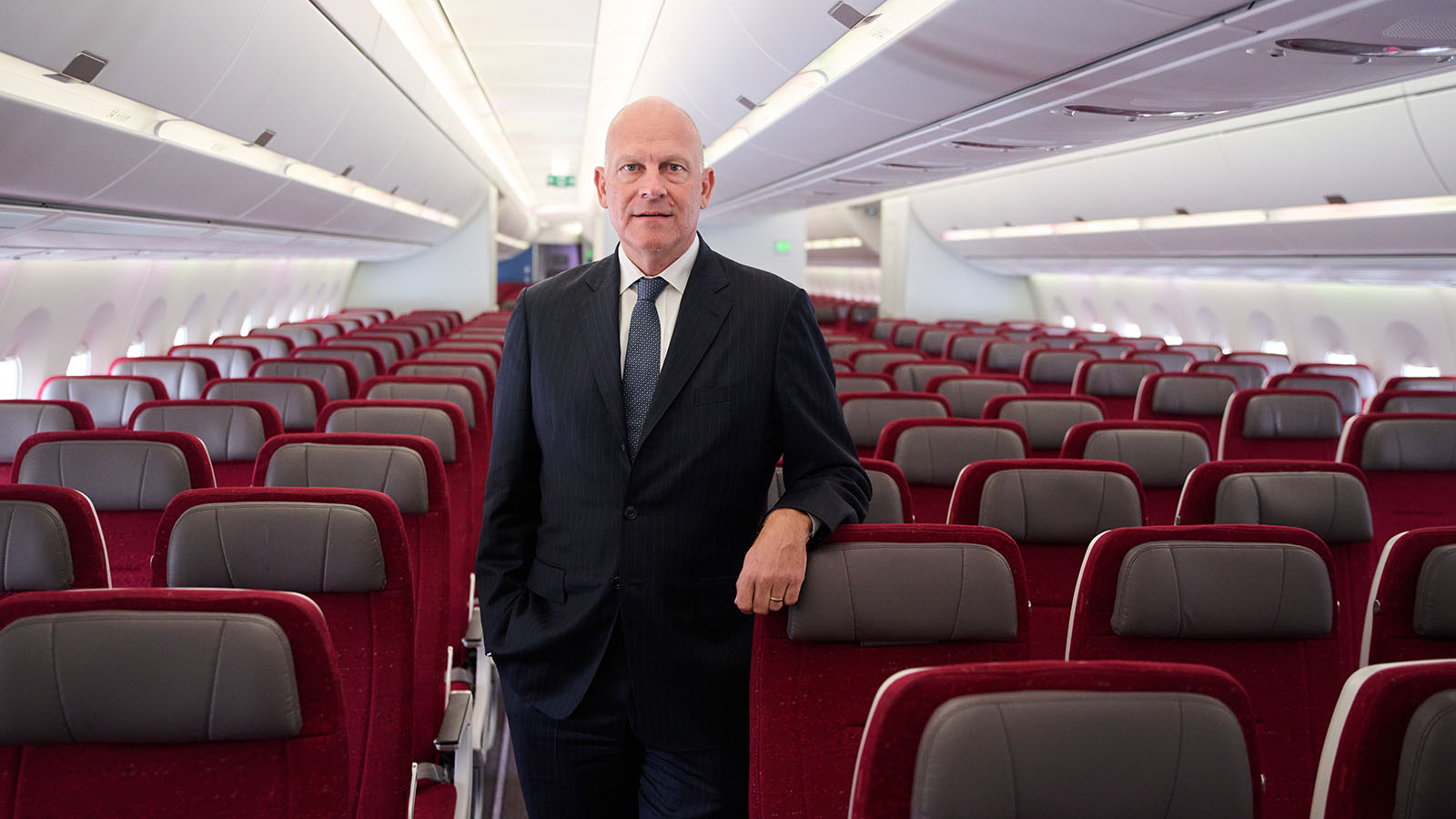
In a previous exclusive interview with Point Hacks, held prior to the regrettable tragedy of flight AI171, Air India CEO Campbell Wilson shared how airport infrastructure has been improving in India.
In the past, “if people talked about (improvements), they didn’t last long enough to actually manifest,” Wilson says. “So as an infrastructure builder or a regulator, you didn’t have someone saying, please do this because that’s then going to facilitate something else.”
“Now, if you go to Mumbai Airport, they’ve done quite a lot of work to completely reconfigure the physical infrastructure to facilitate domestic to international travel. Delhi’s done something similar, albeit with some genuine constraints. We see government understanding that this is now something to make easier, but there’s obviously a process they need to go through from a regulatory as well as technical perspective. But there’s an alignment now.”
Clearly, there’s still work to do on the visa front – and on the transit experience as well. But India’s airlines want to grow, and it seems, the country’s Prime Minister is taking note.
Also read: Qantas partner IndiGo eyes Australian routes with order for 60 Airbus A350s
Featured image by Chris Chamberlin for Point Hacks.
Stay up to date with the latest news, reviews and guides by subscribing to Point Hacks’ email newsletter.



What a pointless snooze of an article. Must be a slow news day or even a slow news week.
Why select a pic where it looks like a ventriloquist and his dummy?
By far the most frustrating visa application process. I wonder how many people have decided not to go back, just remembering the process. More questions than you can imagine, the weirdest requirement about the size (in pixels!) and format of attachments (some must be pdf, some must not) and an all-in-all terrible start to your visit.
I would agree that India’s airports have vastly improved over the last few years.