

It’s the dream of many points collectors – leisurely soaring around the globe in Business Class comfort while using hard-earned points to cover the flights. Ahead of the upcoming Qantas Points devaluation, I realised that while I’ve written extensively about this ’round-the-world’ (RTW) reward, I’ve yet to embark on one myself.
Under the guise of work, I put theory into practice and took to the skies for two weeks, flying through nine overseas cities with seven airlines using Qantas Points. But while my time away was fleeting, this is very much the same type of trip you can book yourself to savour over many months.
35,000 miles of travel. Five stopovers. Up to 16 flight sectors. From finding the best availability to minimising taxes, here are my top tips and learnings after flying across multiple continents in lie-flat luxury.
Want to build your own round-the-world trip using Qantas Points?
Get access to our brand-new Qantas Round the World Trip Builder, featuring clear step-by-step instructions, expert tips and hacks, and most importantly, thousands of dates with available reward seats. It includes everything you need to piece together your dream itinerary with availability across the next 12 months.

My round-the-world itinerary in brief
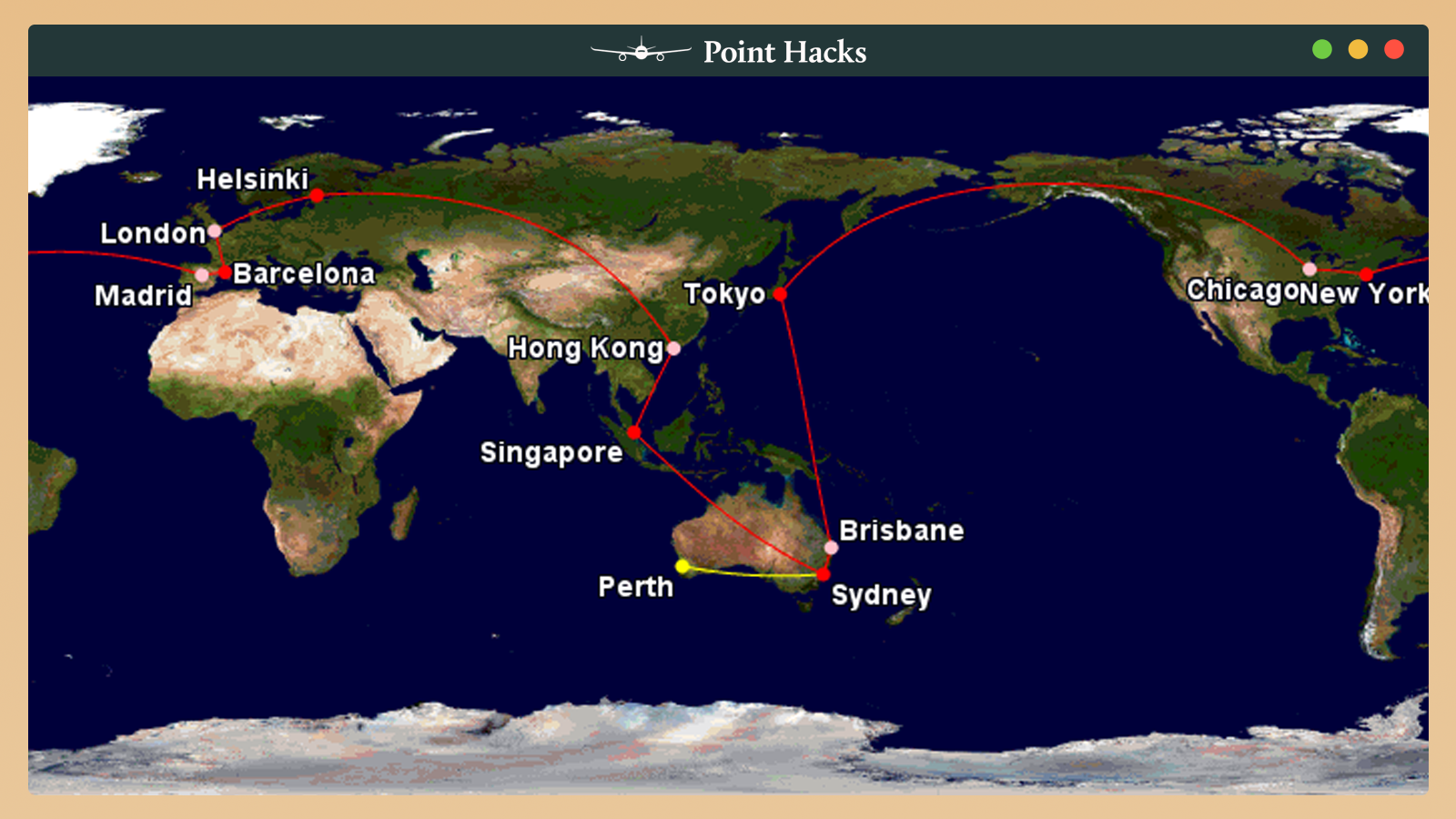
My goal was to get close to the 35,000-mile travel limit while hitting up major cities in oneworld hubs for easier connections. As a huge Broadway fan, my major stop was New York, and I built the rest of the itinerary around it with stops in Asia and Europe. My initial itinerary was quite different from the map below.
However, after various new seats became available, I made multiple changes over one phone call. I swapped Los Angeles for Chicago, changed Madrid to Barcelona, added a stop in Helsinki, and included a transit in Hong Kong. The final result: just over 32,000 miles of travel, including my Perth connections.
The cost? Just 318,000 Qantas Points + A$1,347 in fees and taxes for the base fare, plus 5,000 points in change fees. Oh, and about four hours of research and two hours on the phone to Qantas (which sounds like a lot, but it actually isn’t compared to what some of our readers have gone through to make it work).
Note that from August 5, 2025, new bookings in Business Class will cost 365,800 Qantas Points, plus fees and taxes. If you’re new to this reward and want to learn all the rules first, visit our comprehensive guide to planning a round-the-world trip with points.
Qantas American Express Ultimate

Offer ends: 17 Nov 2026
- Bonus points
- Up to 120,000 bonus Qantas Points¹
- Annual fee
- $450 p.a.
- Earn
- 1.25 Qantas Points earned per $1 on eligible everyday purchases. 2.25 Qantas Points per $1 spent on selected Qantas products and services in Australia. 0.5 Qantas Point per $1 at government bodies in Australia. After a total of 100,000 Qantas Points is earned in a calendar year, the everyday earn rate will change from 1.25 to 1 Qantas Point per $1 spent.
Qantas American Express Ultimate
Offer ends: 17 Nov 2026
- Bonus Points
- Up to 120,000 bonus Qantas Points¹
- Annual Fee
- $450 p.a.
- Earn
- 1.25 Qantas Points earned per $1 on eligible everyday purchases. 2.25 Qantas Points per $1 spent on selected Qantas products and services in Australia. 0.5 Qantas Point per $1 at government bodies in Australia. After a total of 100,000 Qantas Points is earned in a calendar year, the everyday earn rate will change from 1.25 to 1 Qantas Point per $1 spent.
Earn 70,000 bonus Qantas Points¹ with the Qantas American Express Ultimate Card when you apply online by 17 November 2026, are approved, and spend $5,000 in the first 3 months. Plus, an additional 50,000 bonus Qantas Points when you spend a further $5,000 on eligible purchases within the first 3 months of your second year Card Membership. New Amex Card Members only. T&Cs apply.
1. Qantas to Tokyo (stopover #1)
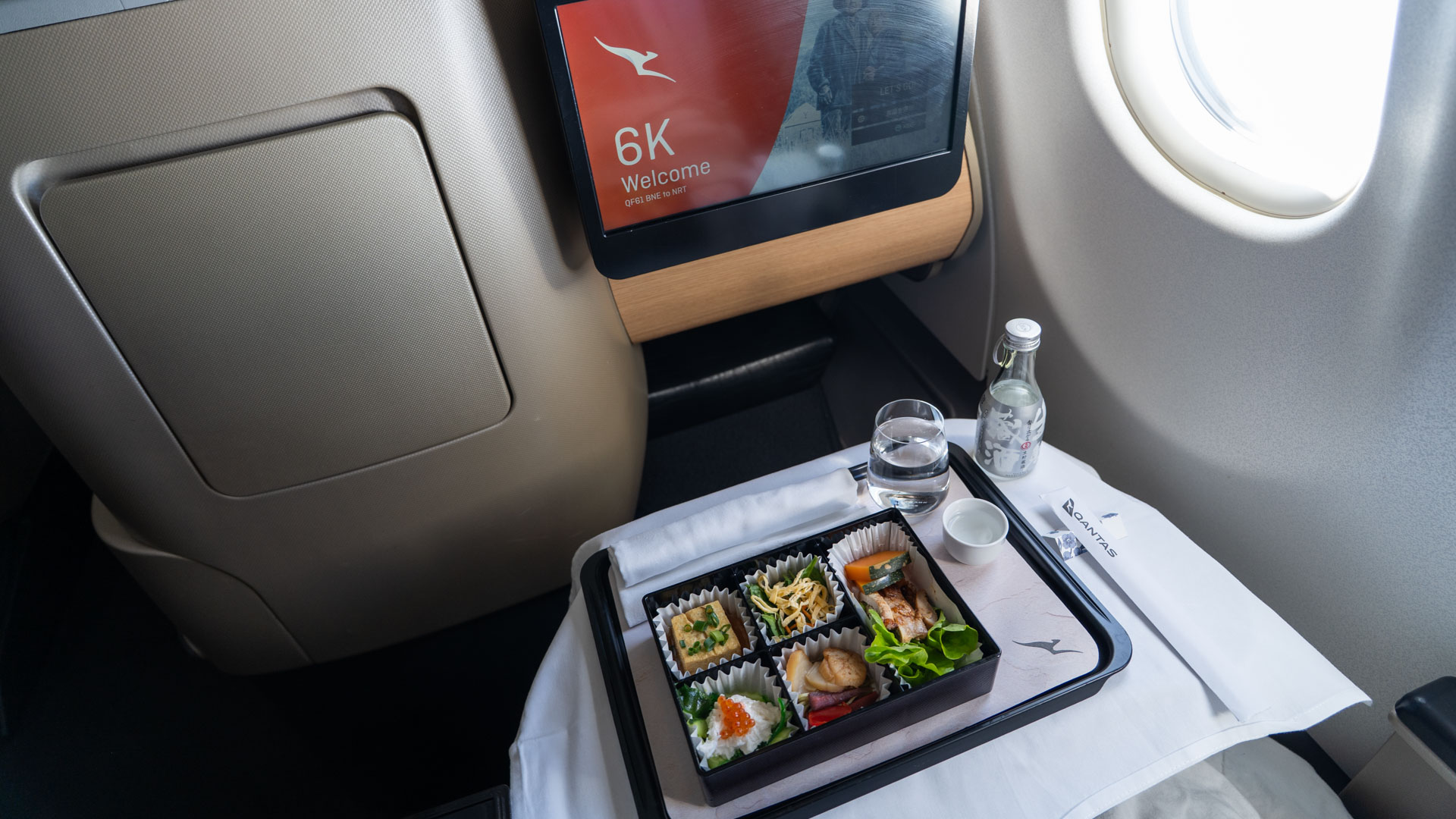
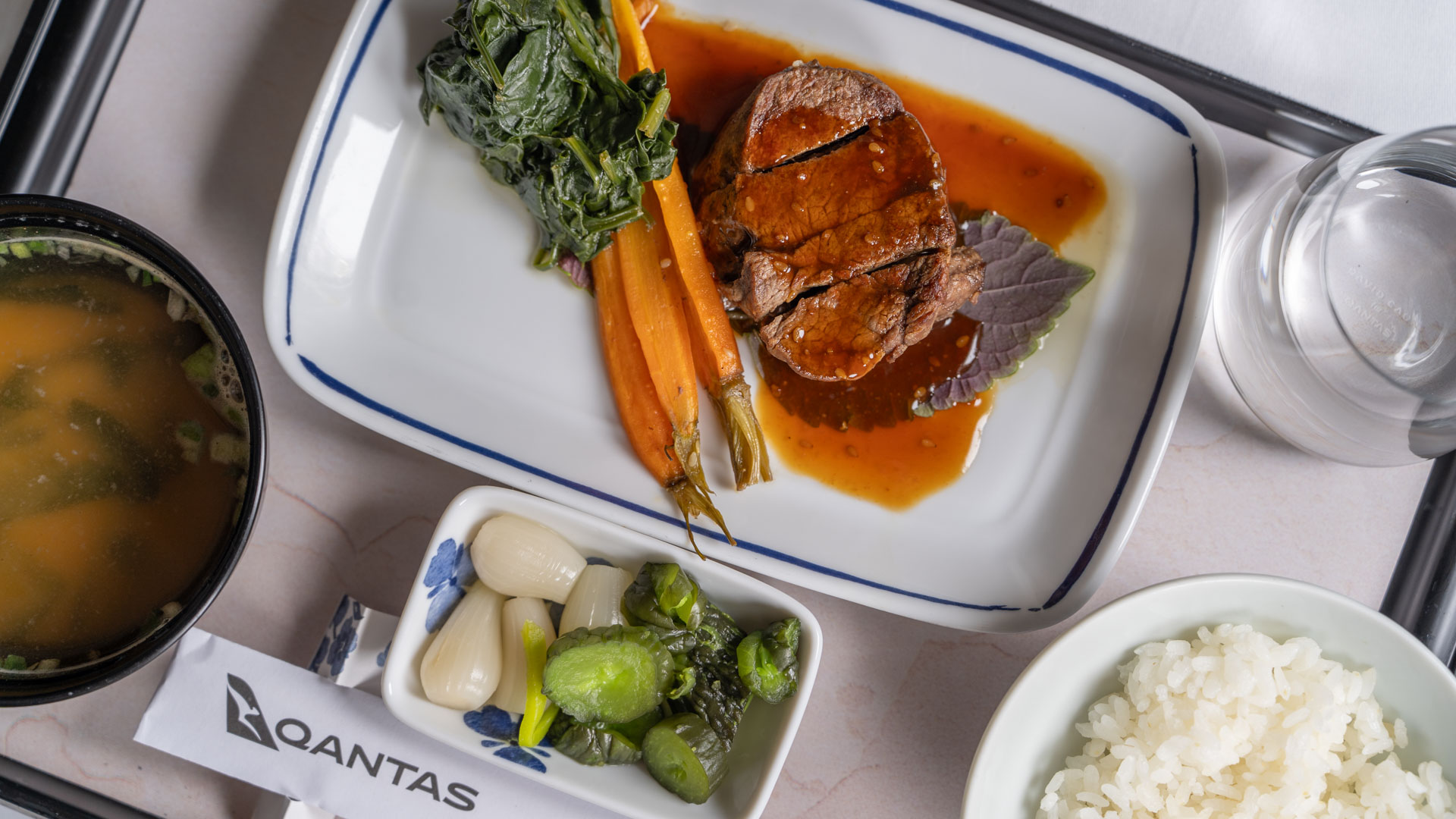
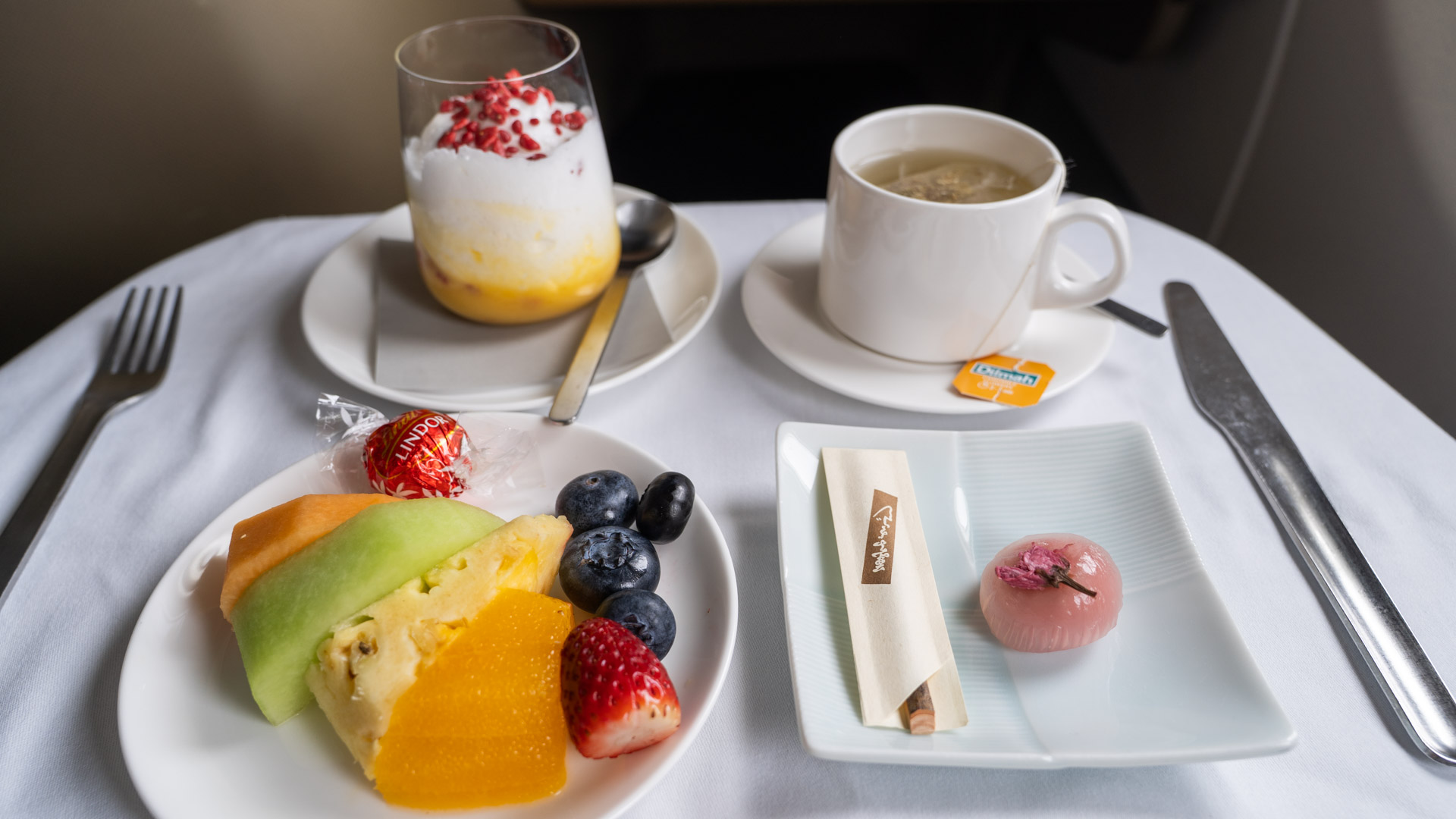
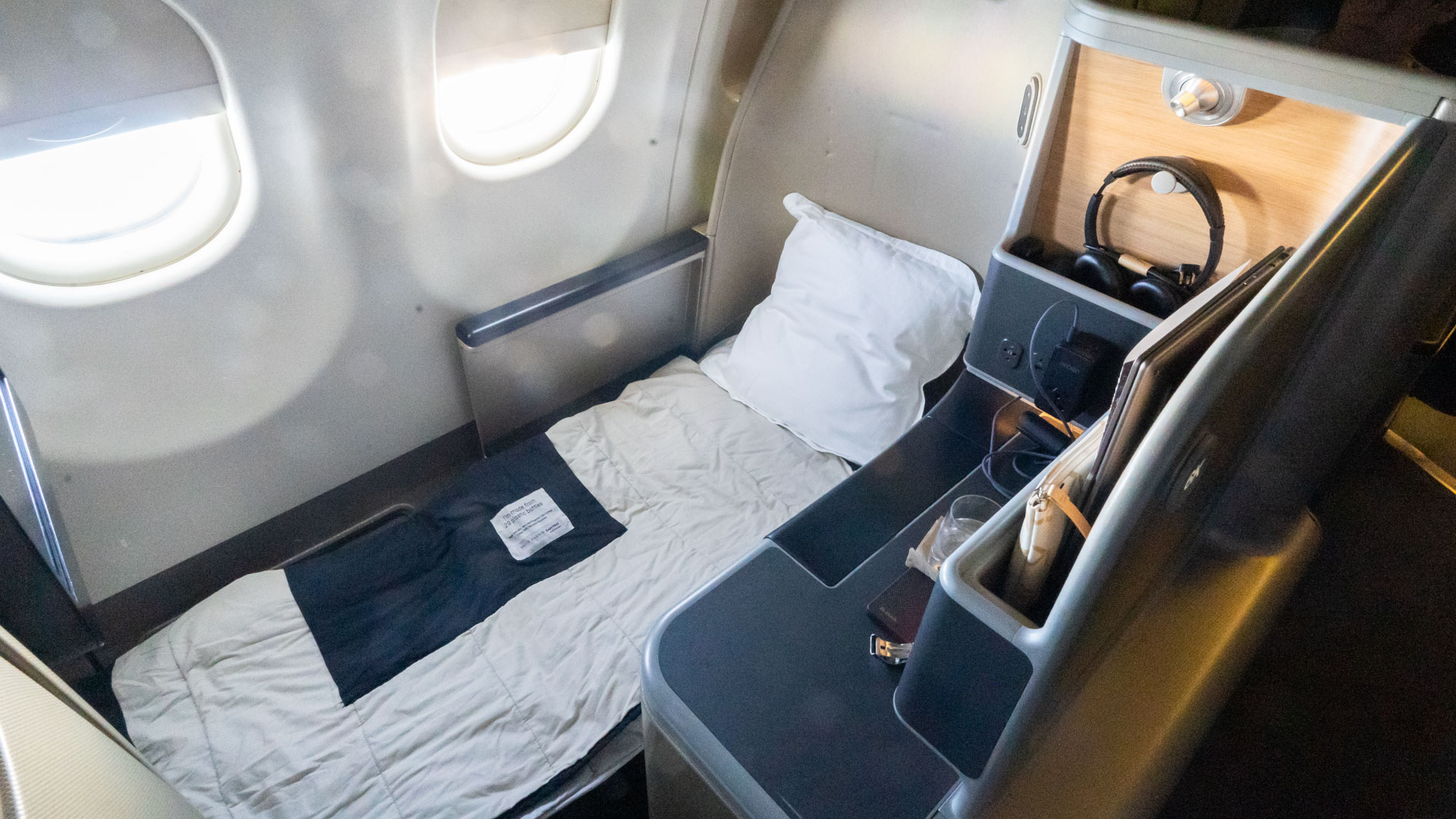
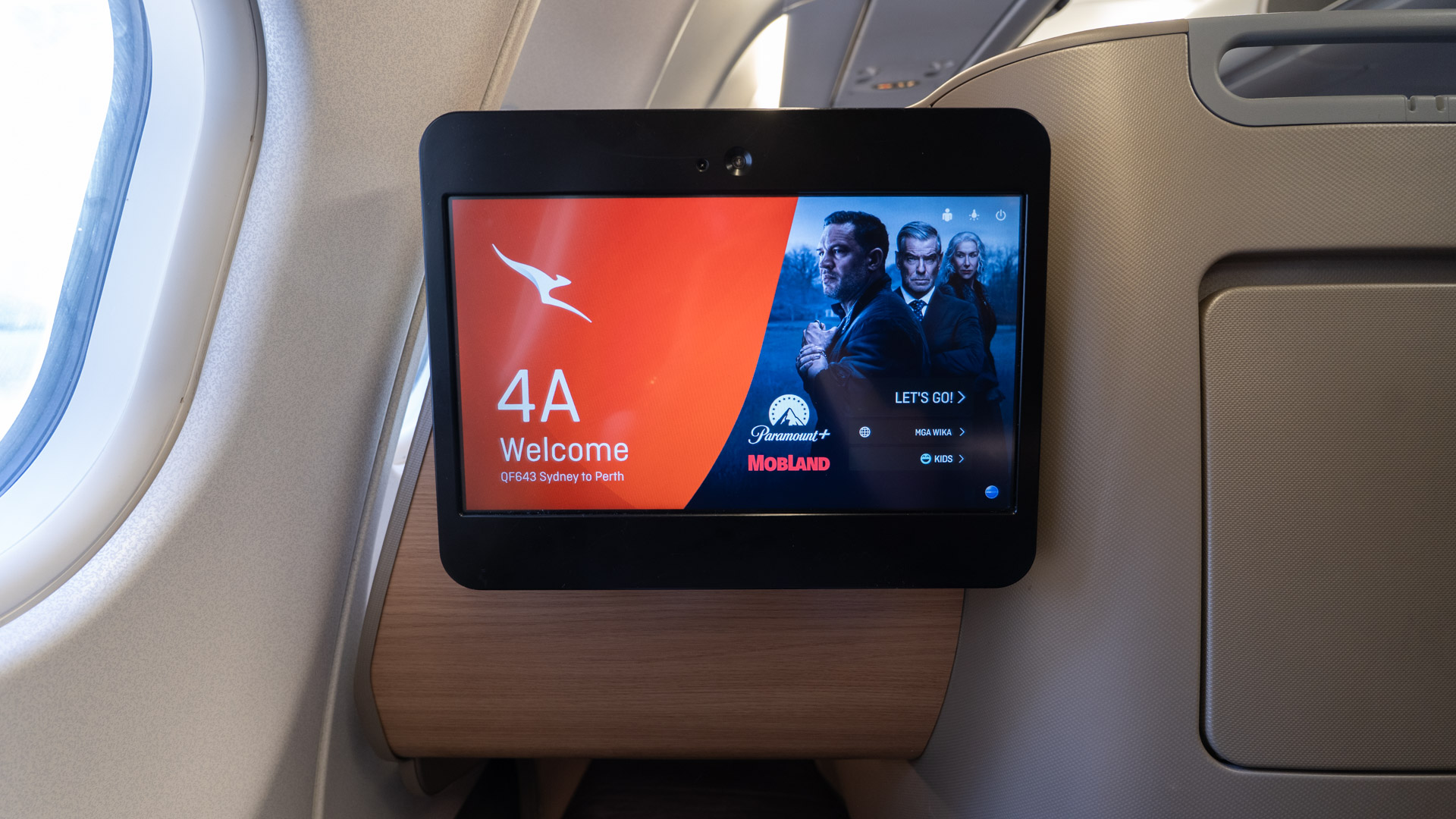
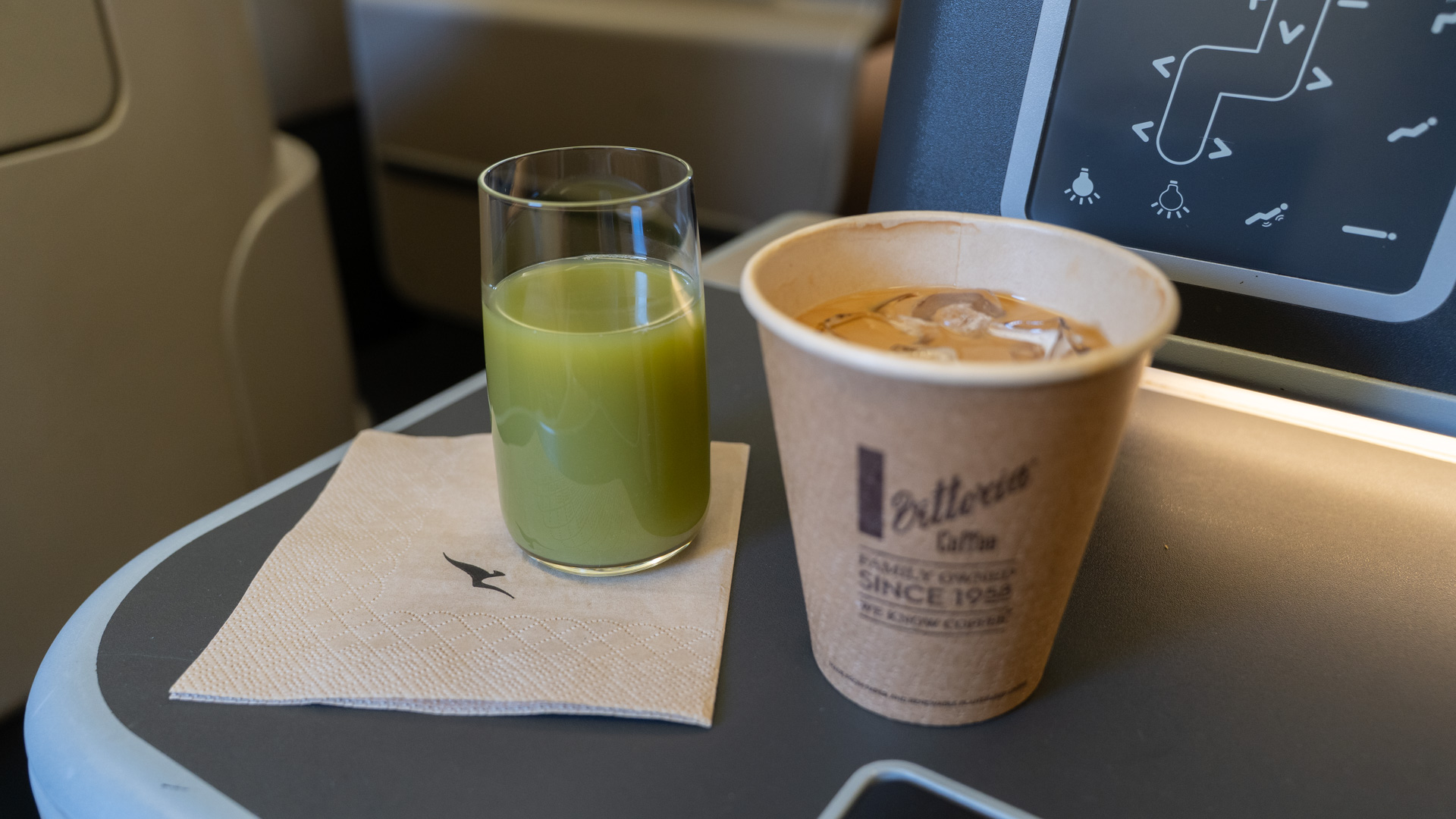
The trip begins in earnest with a Qantas Business Class flight to Tokyo. On this daytime Airbus A330 service, the crew dazzles with warmth. One cabin crew member in my section is a former Tokyo expat and shares plenty of tips with me about the area where I’m staying.
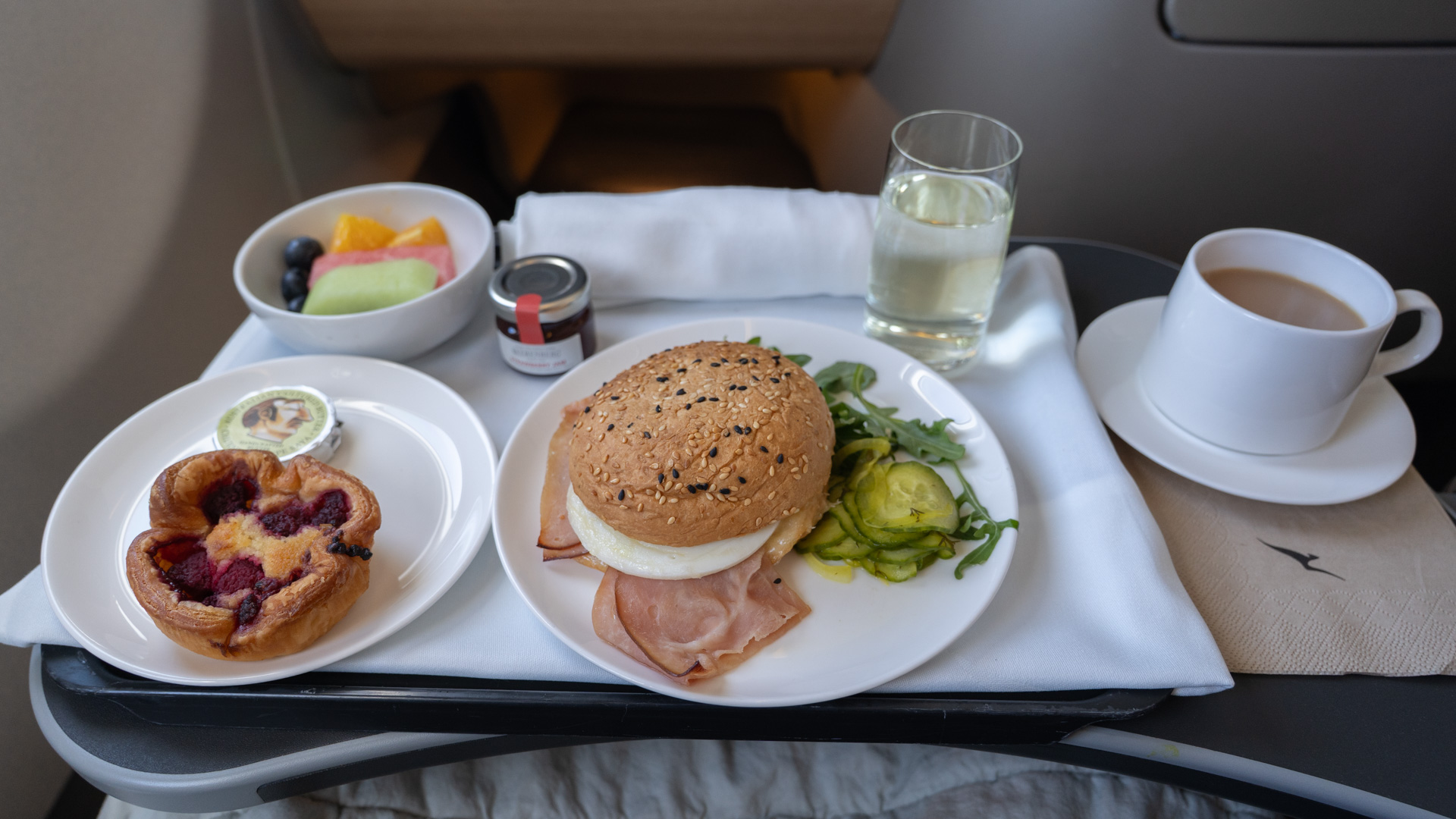
The Japanese-themed lunch is also a cut above the standard Qantas Business Class fare, in my opinion.

Highlights of my Tokyo stopover: 1. Filling up most of my suitcase with shopping. 2. A fabulous 20+ course seafood omakase at Mantensushi Marunouchi for ¥8,800 (~A$92).
2. Japan Airlines to Chicago (overnight transit)
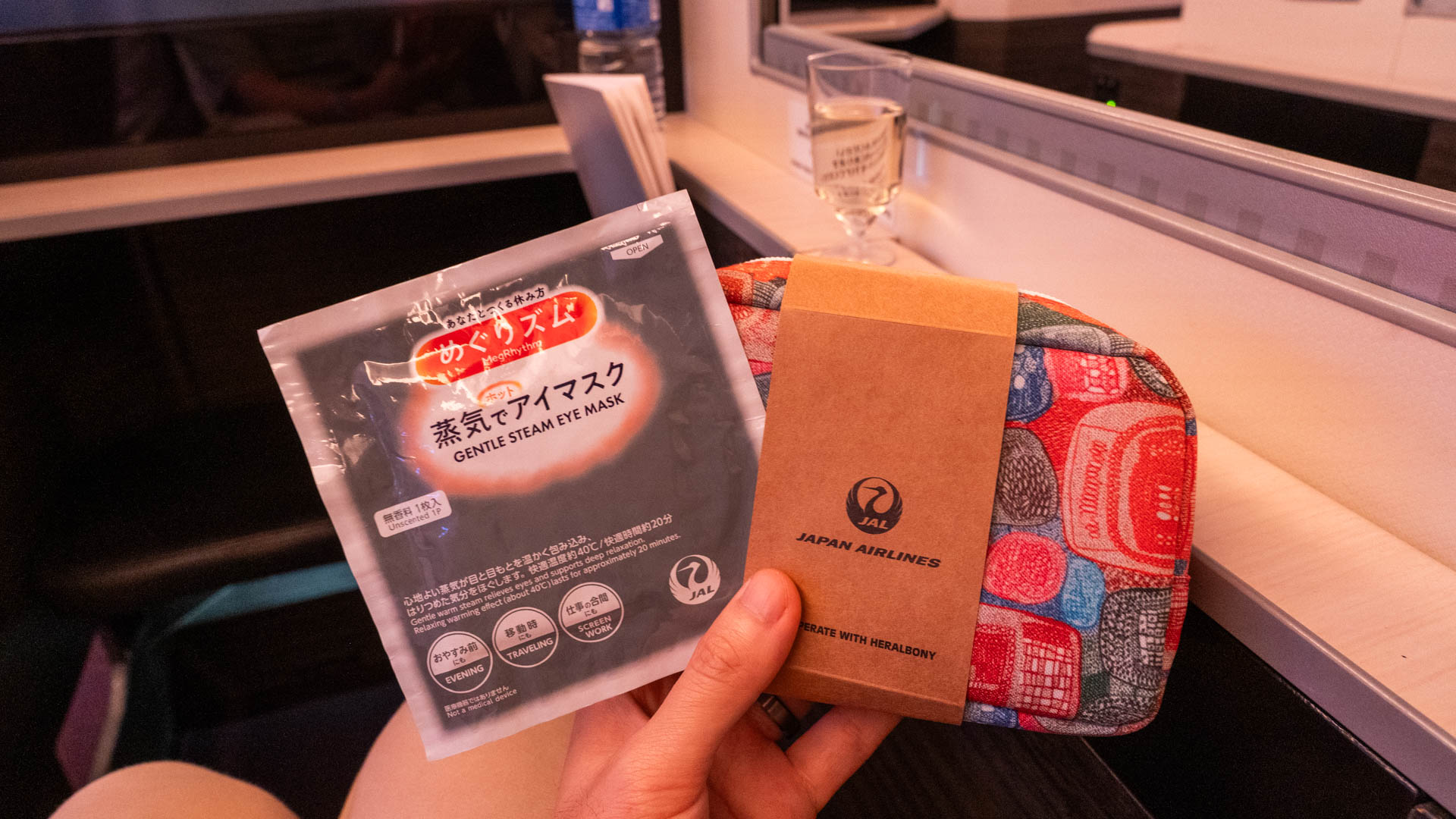
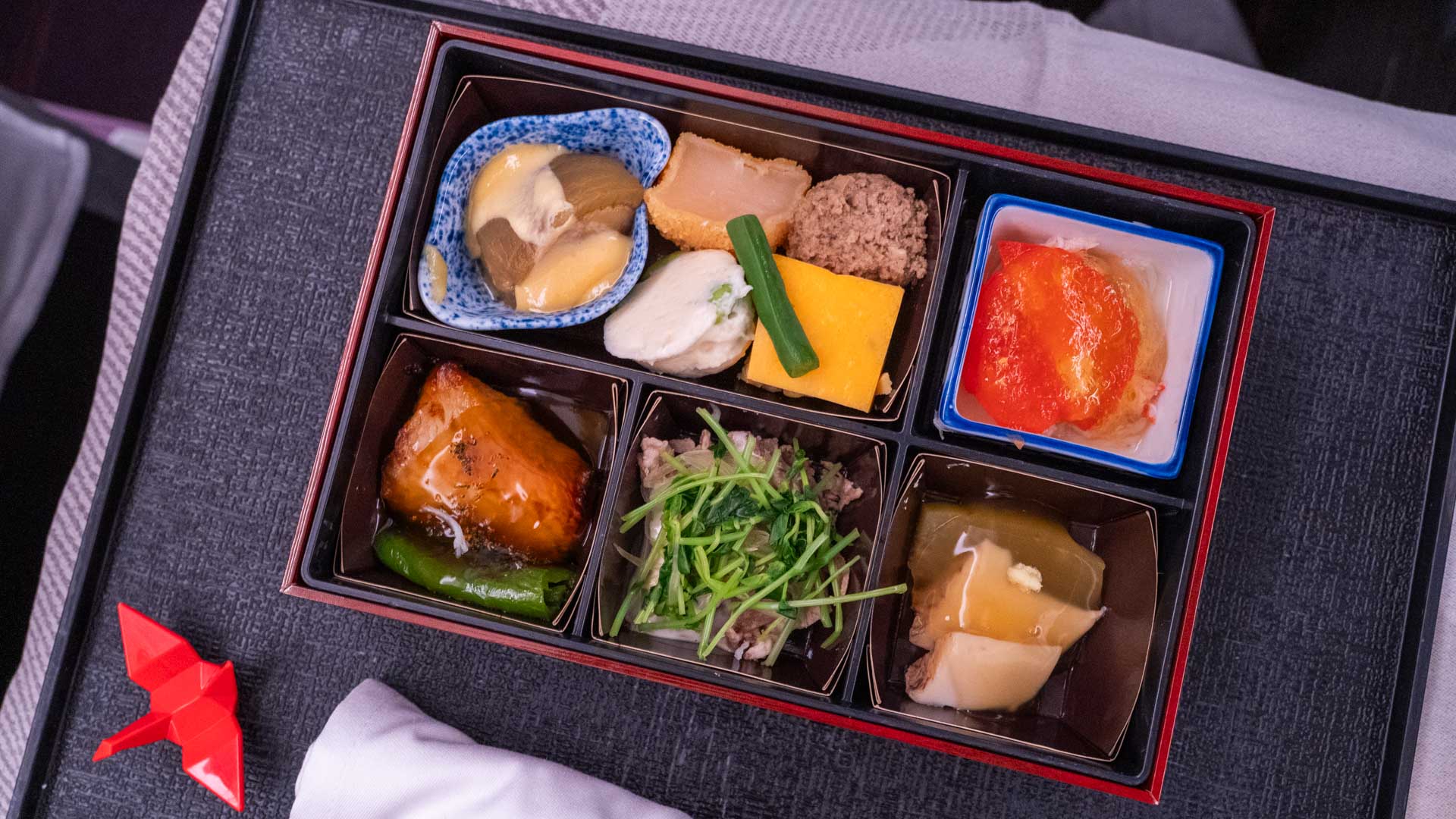
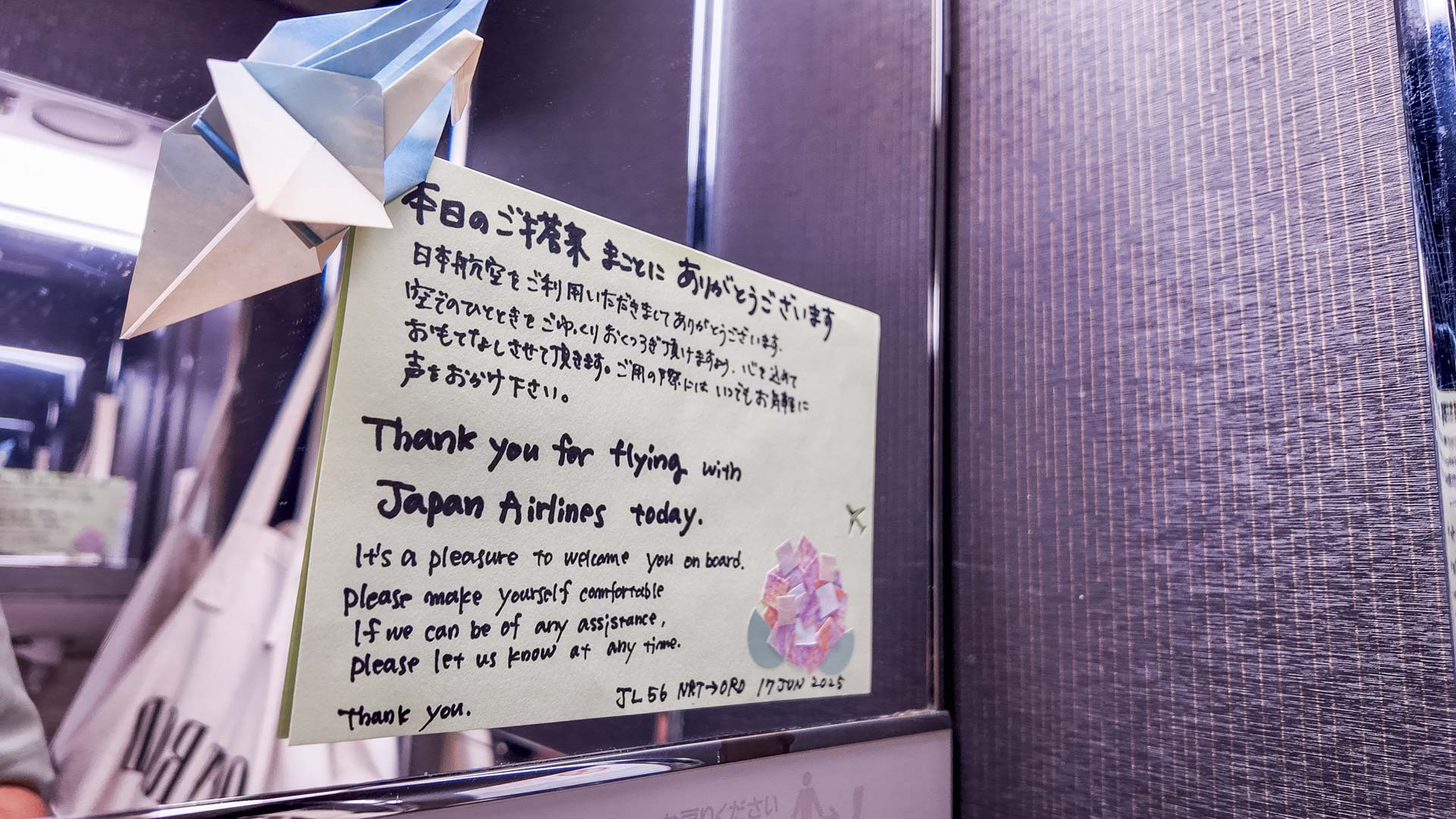
While Japan Airlines’ Boeing 777 features an older Business Class seat, it remains a comfortable way to fly. My aisle Apex Suite feels like it has the length of a First Class suite. Japan Airlines’ service, food and amenities are unmatched as well. From a steaming eye mask in the amenity kit to delectable bento boxes, sake tasting and even heartfelt handwritten notes in the lavatories, this is a flight to remember.
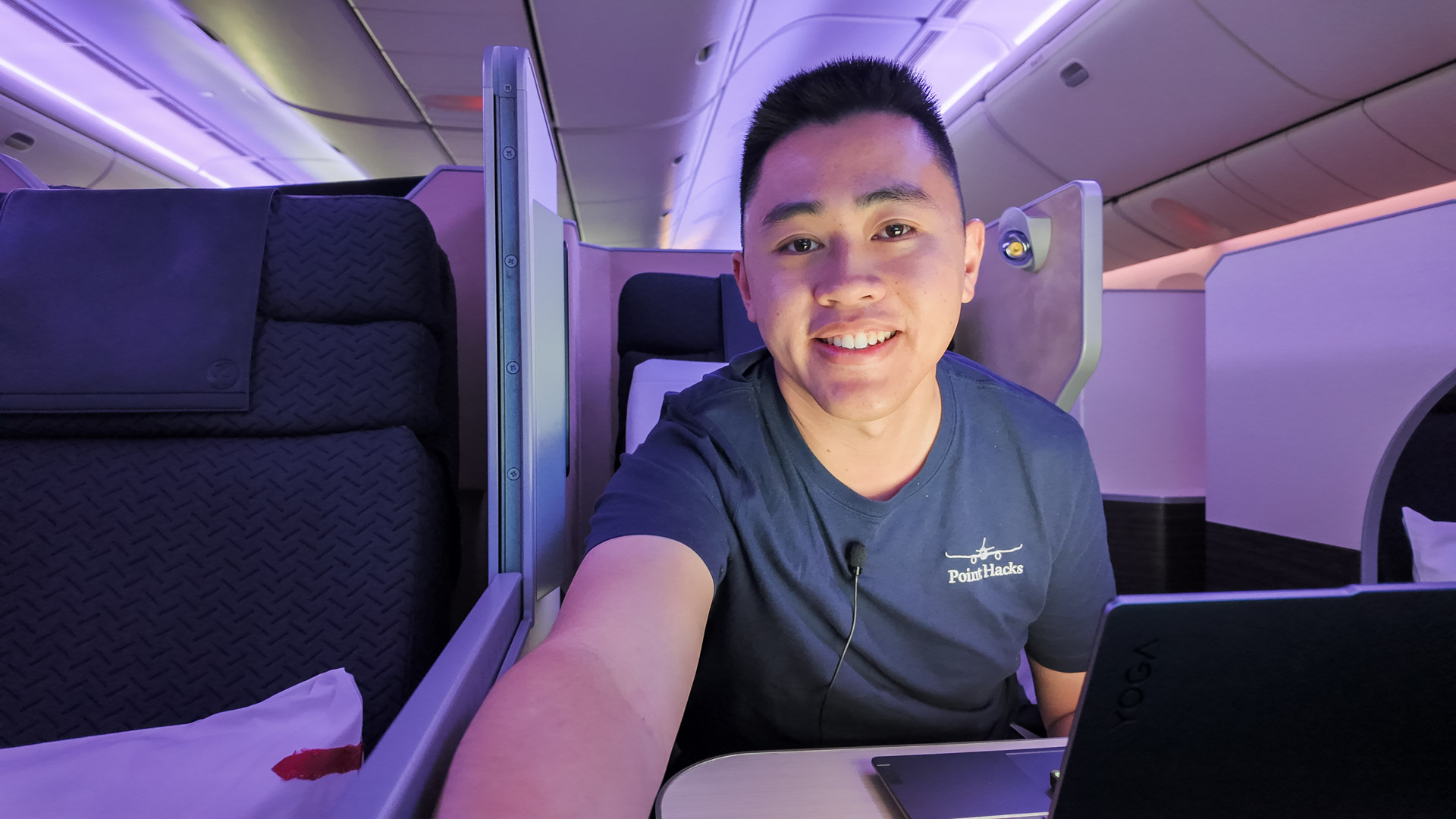
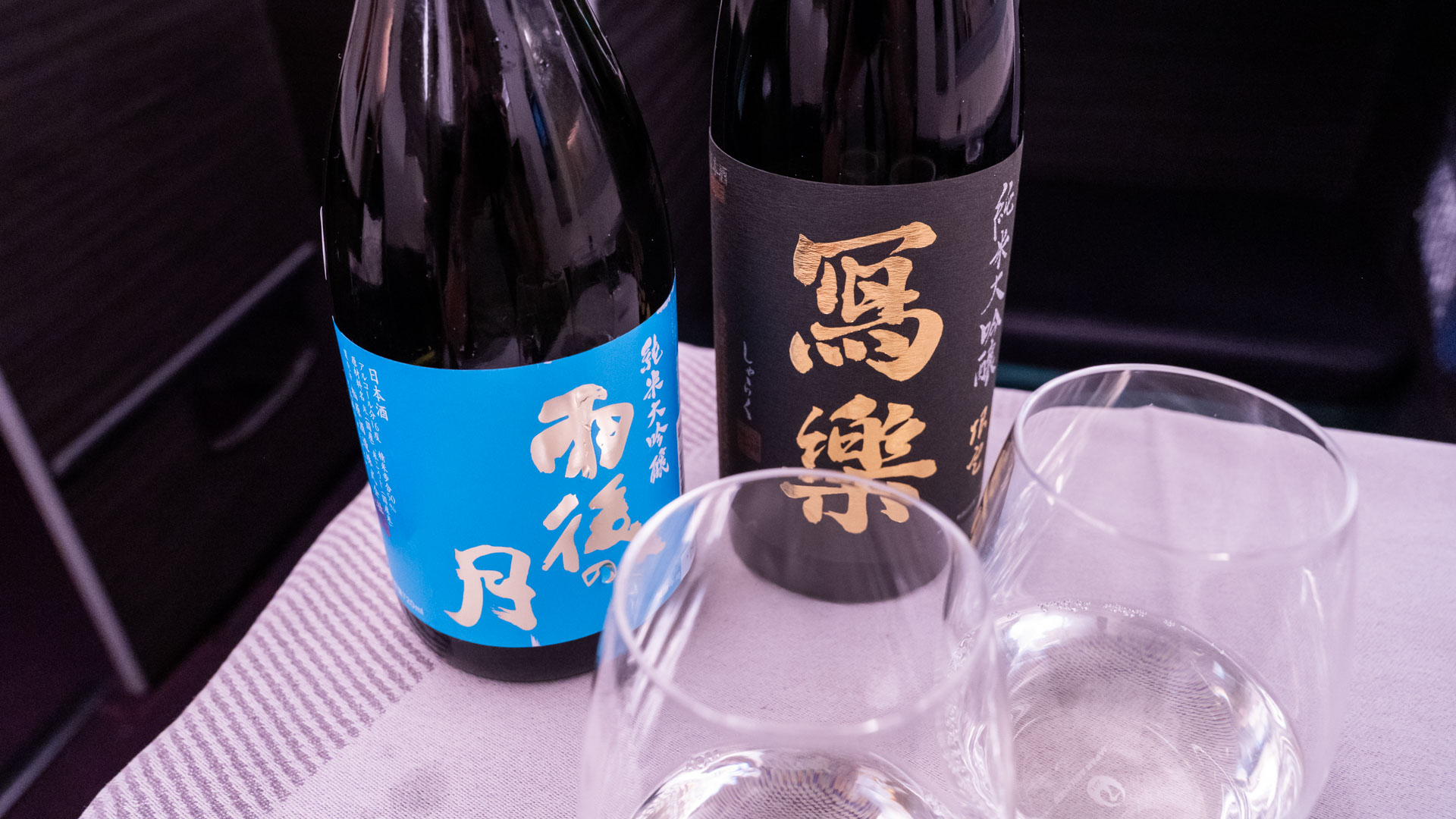
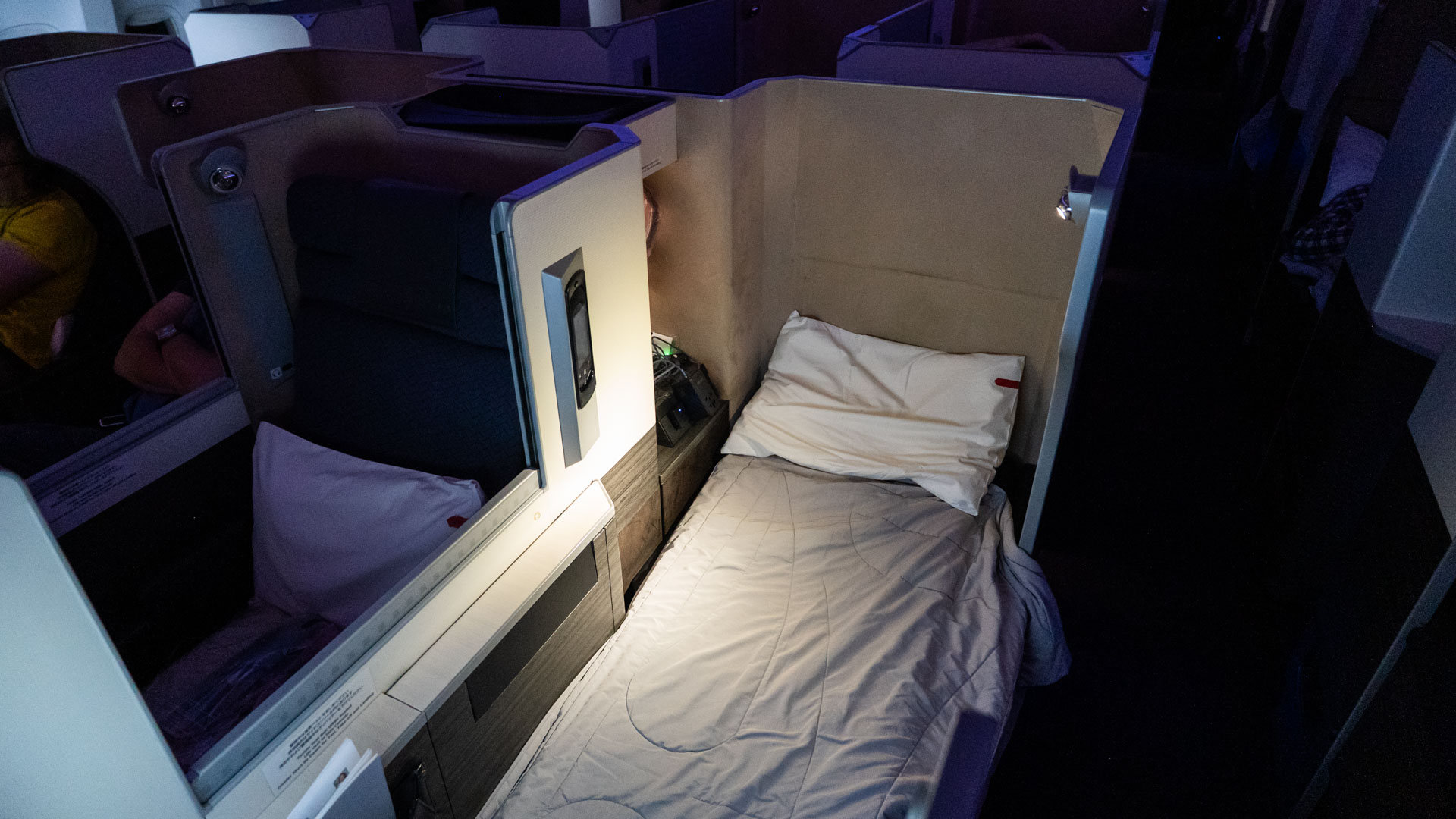
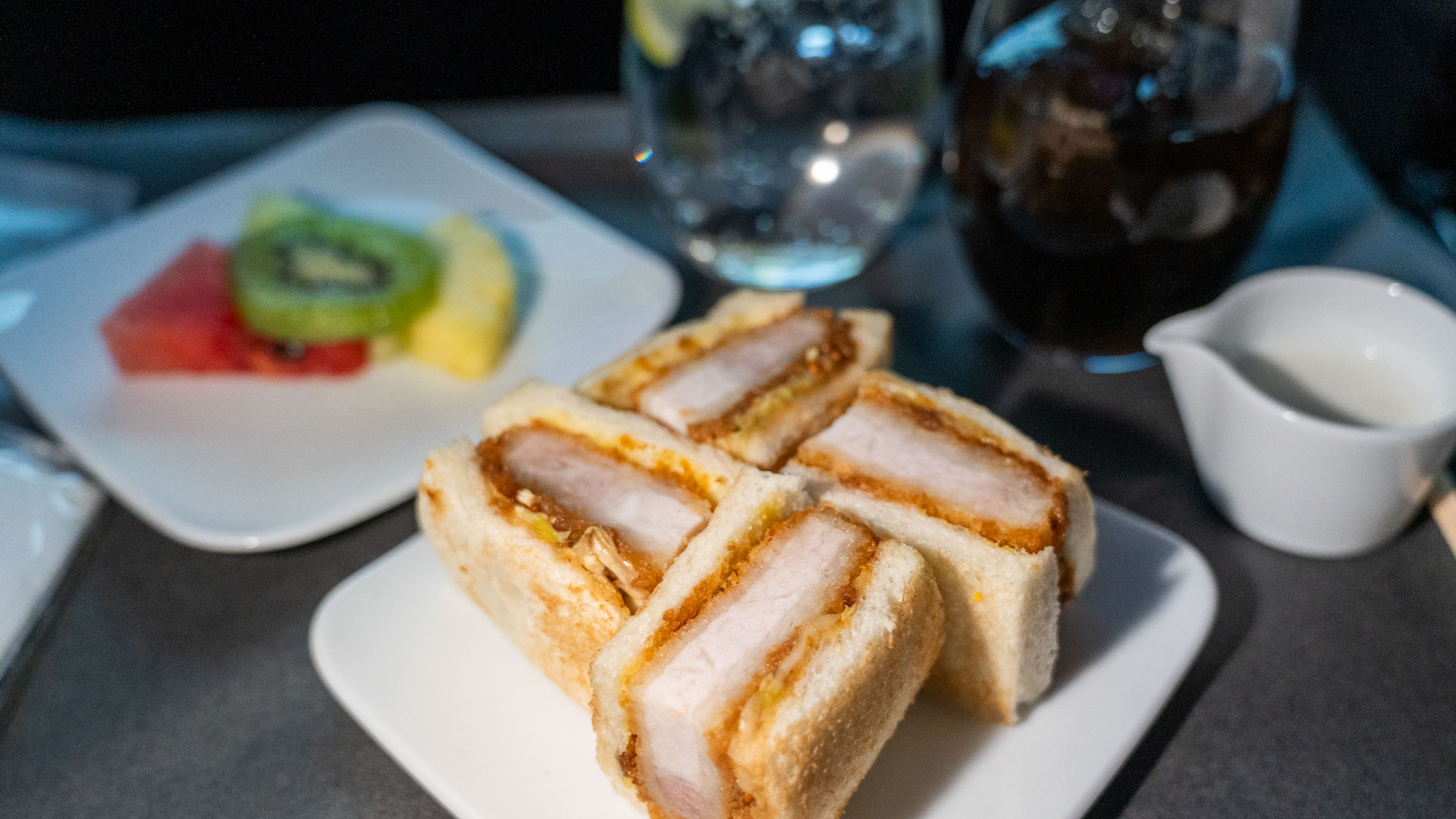
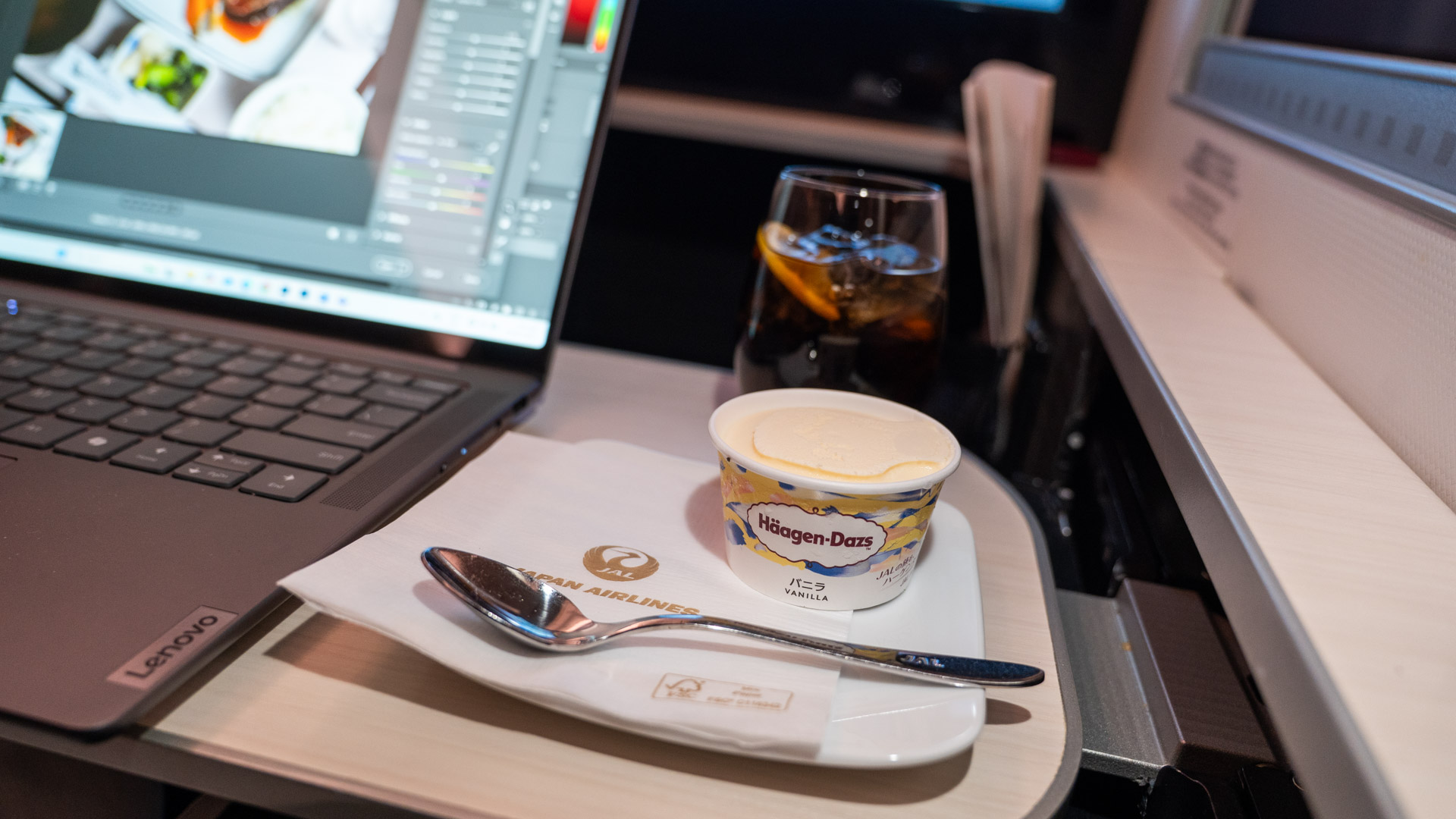
Highlight of my Chicago transit: With an afternoon to spare, I head downtown to check out the remarkable Cloud Gate sculpture (‘The Bean’) in all its glory.
3. American Airlines to New York (stopover #2)
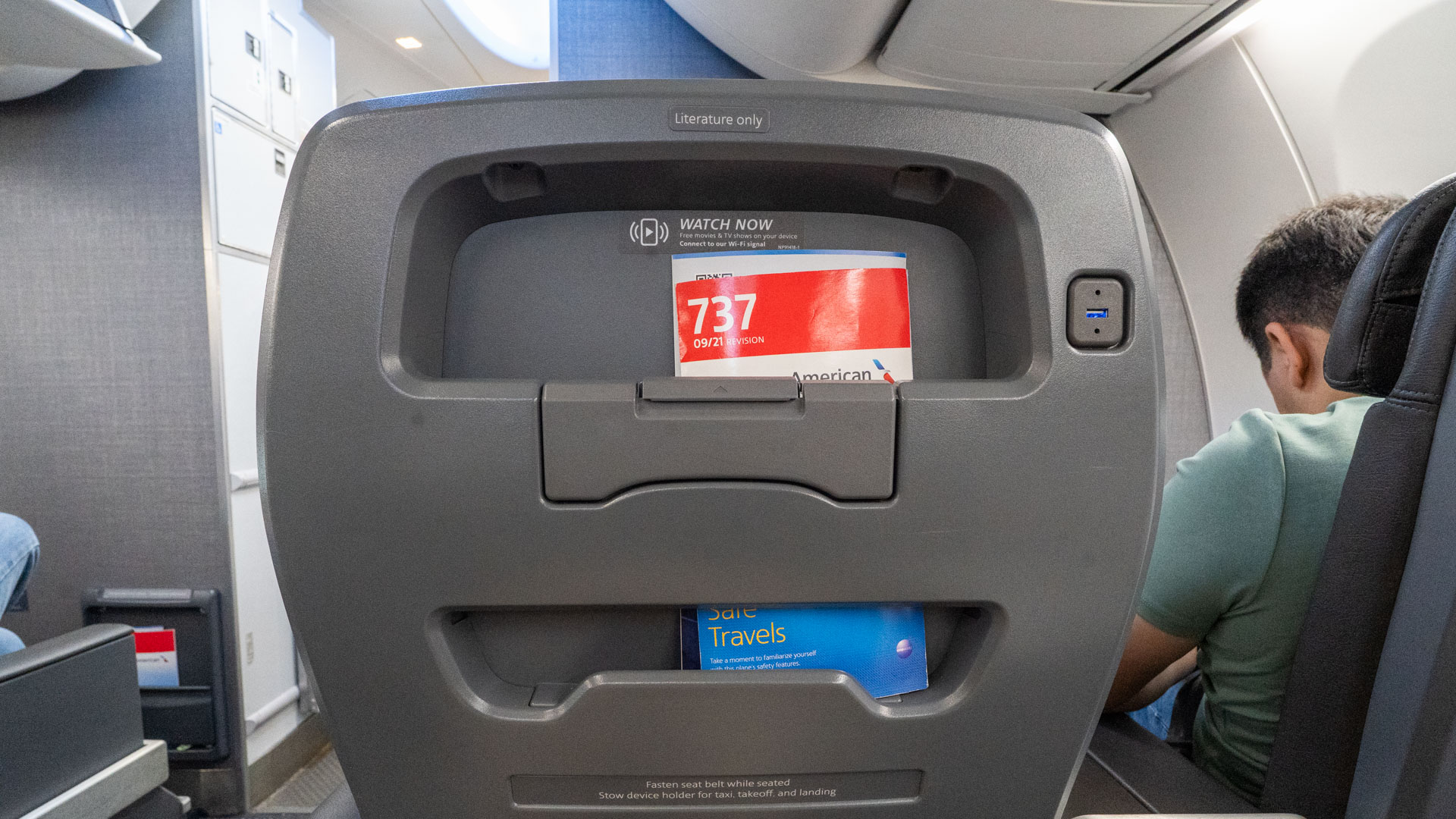
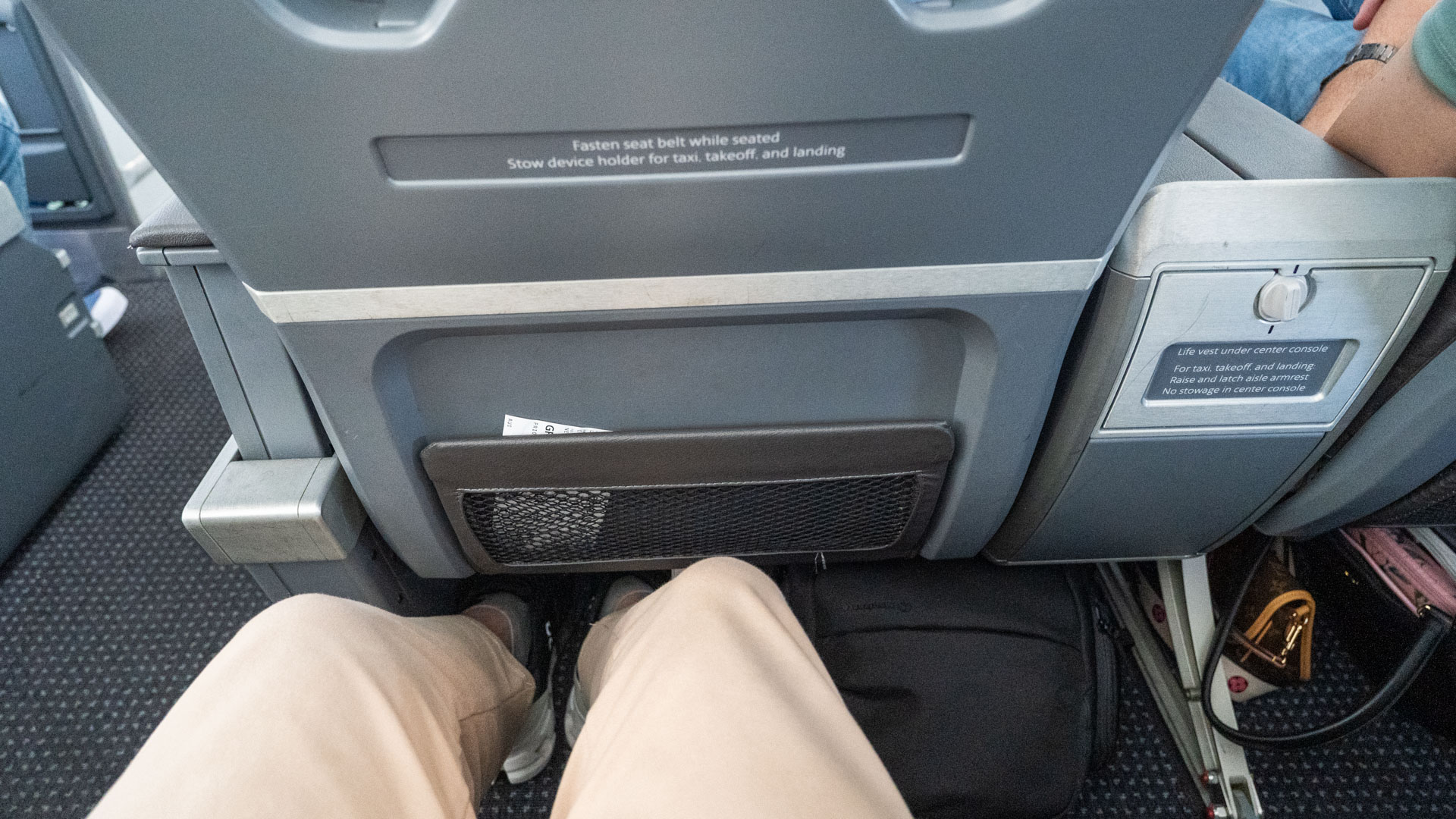
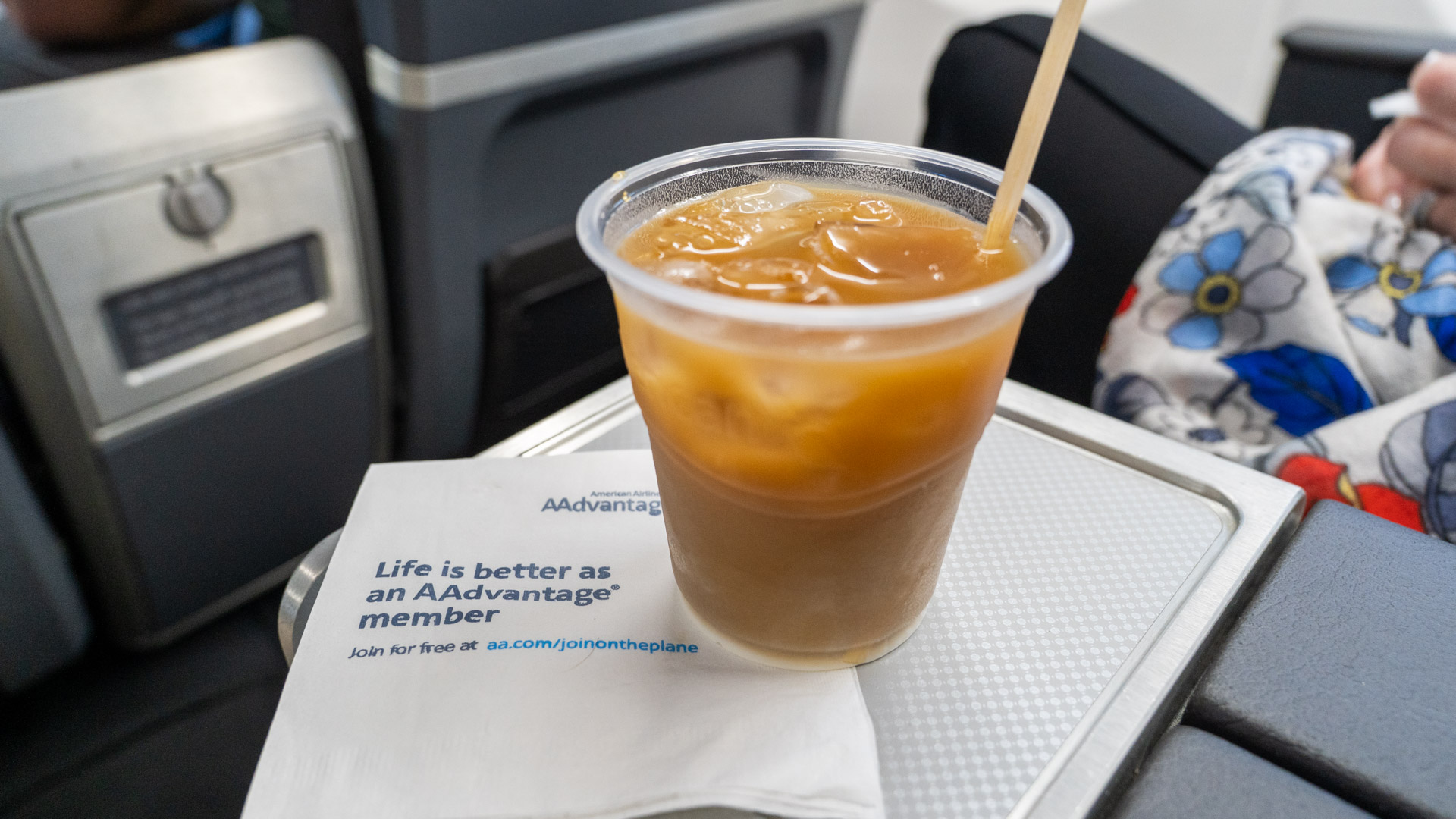
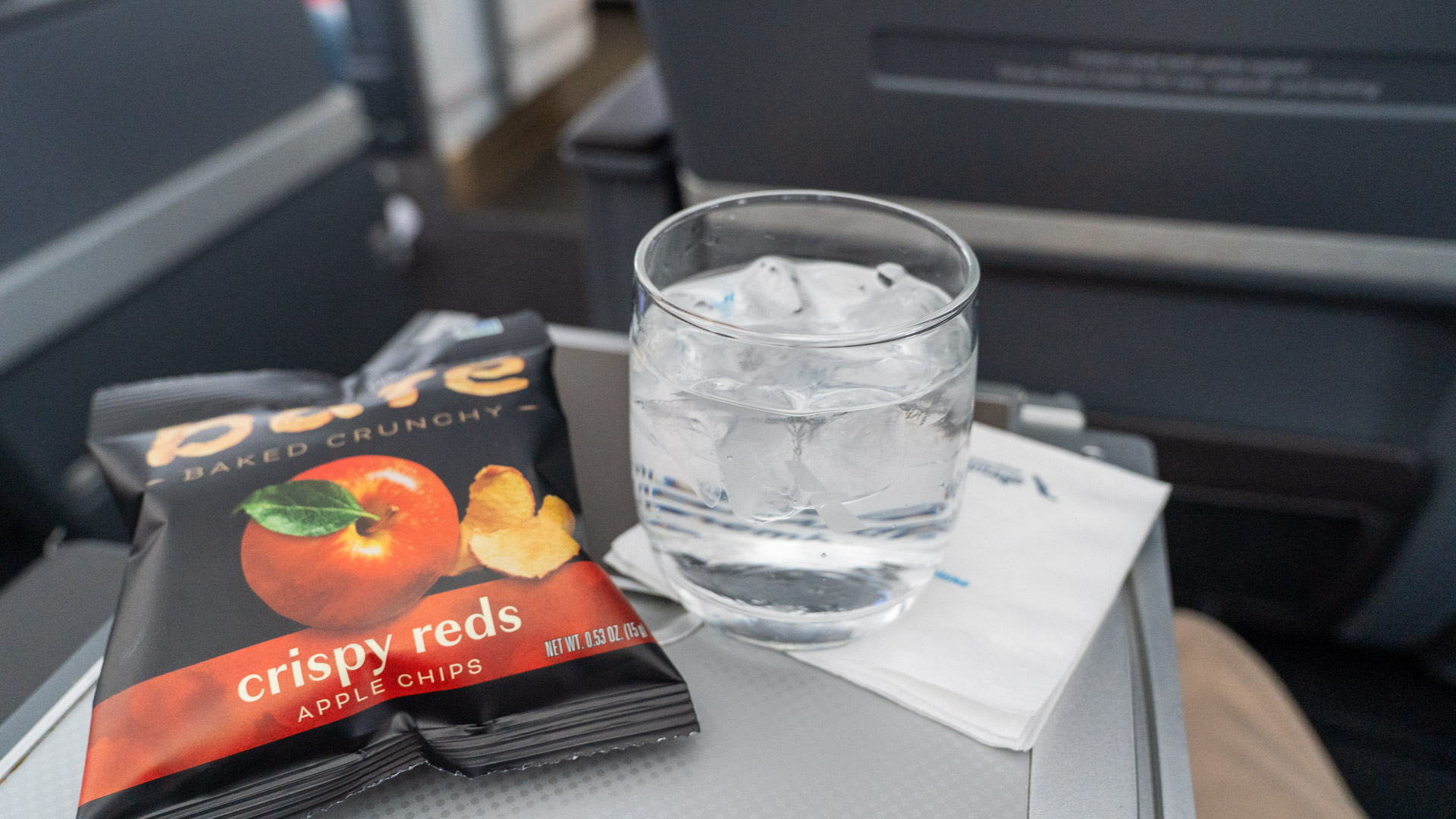
American Airlines’ domestic ‘First Class’ counts as Business Class for reward seats. This short 90-minute hop isn’t much to get excited about. We’re offered a pre-departure drink of our choice (I opt for an iced coffee with creamer), followed by another drink and some snacks in the air. There’s no proper meal service.
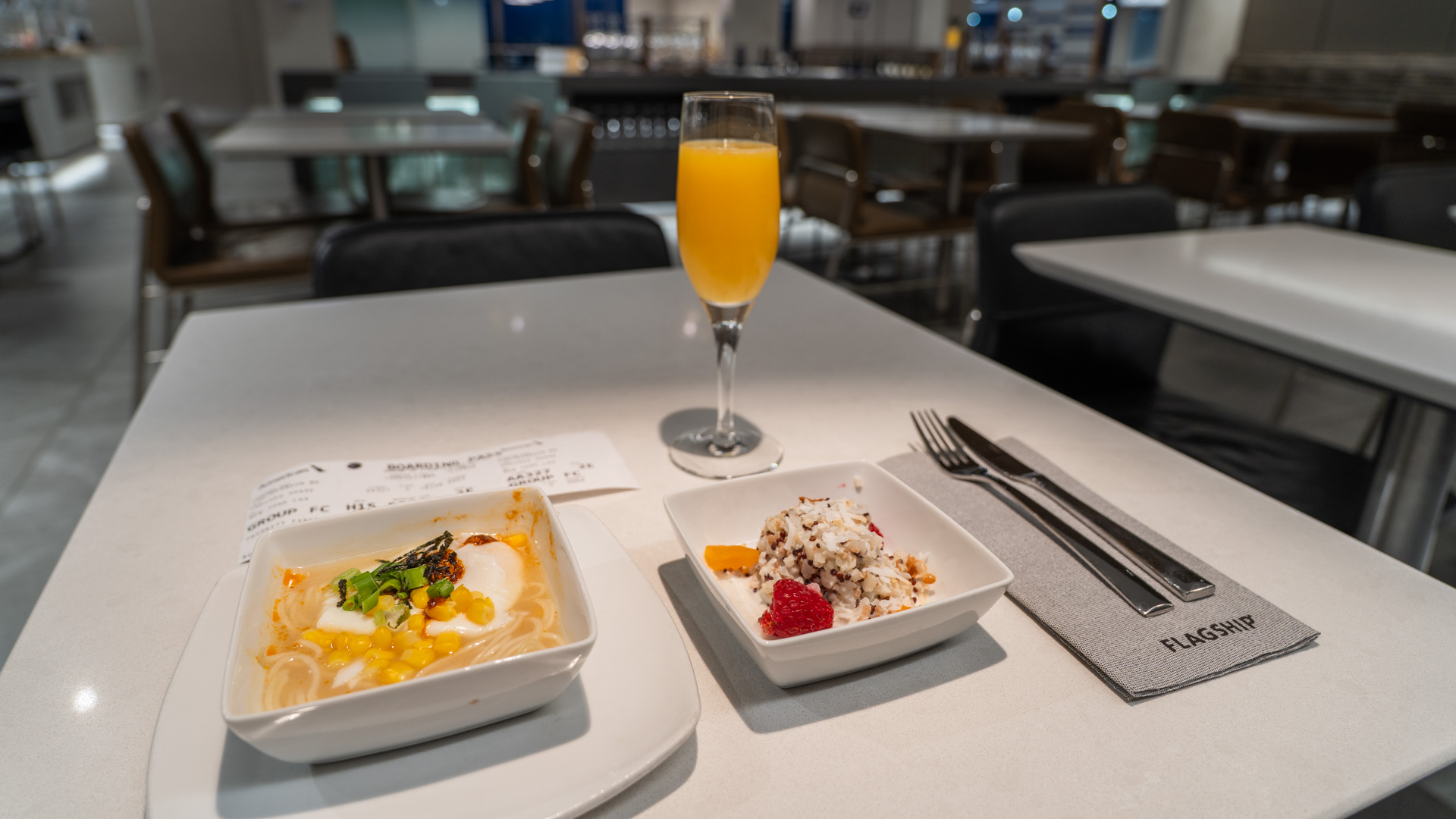
The best part of this flight is breakfast in the Flagship Lounge, where delectable hot dishes and mimosas with Piper-Heidsieck Champagne await. However, a domestic First Class ticket doesn’t grant any lounge access by default – it’s my Qantas Gold status that gets me in.
Highlights of my New York stopover: Broadway, baby! I watch Cabaret starring Eva Noblezada and Orville Peck, Stranger Things: The First Shadow (a stunning stage play that tells the prequel story of Henry Creel), Hadestown (one of my all-time favourite shows after first seeing it in Sydney), and The Great Gatsby. Find Broadway tickets on Broadway Collection →
I also catch a glimpse of the British Airways Concorde on USS Intrepid and marvel at the views from the top of 30 Rock and the Empire State Building. See what’s included in the New York CityPASS →
4. Iberia via Madrid to Barcelona (stopover #3)
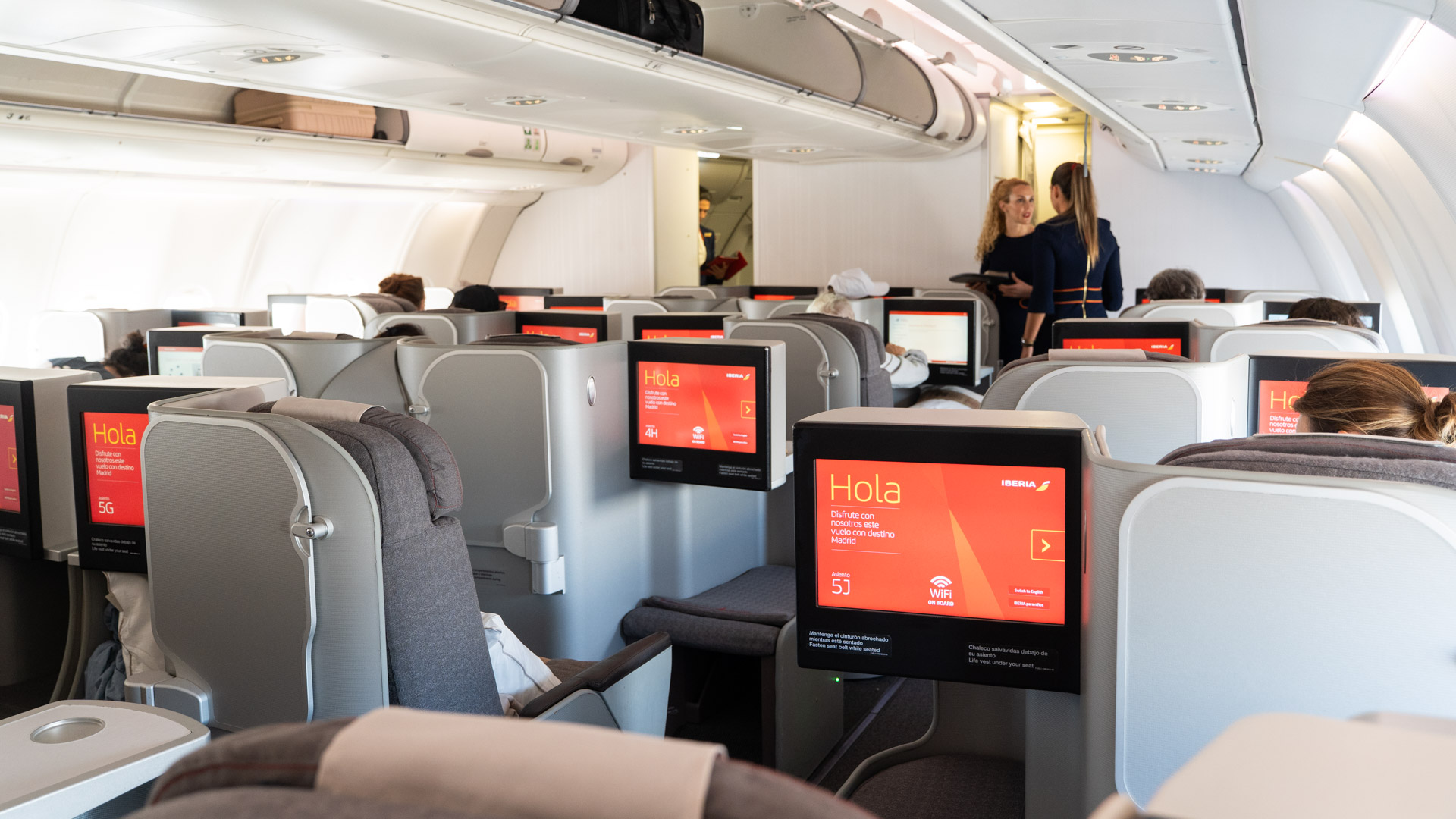
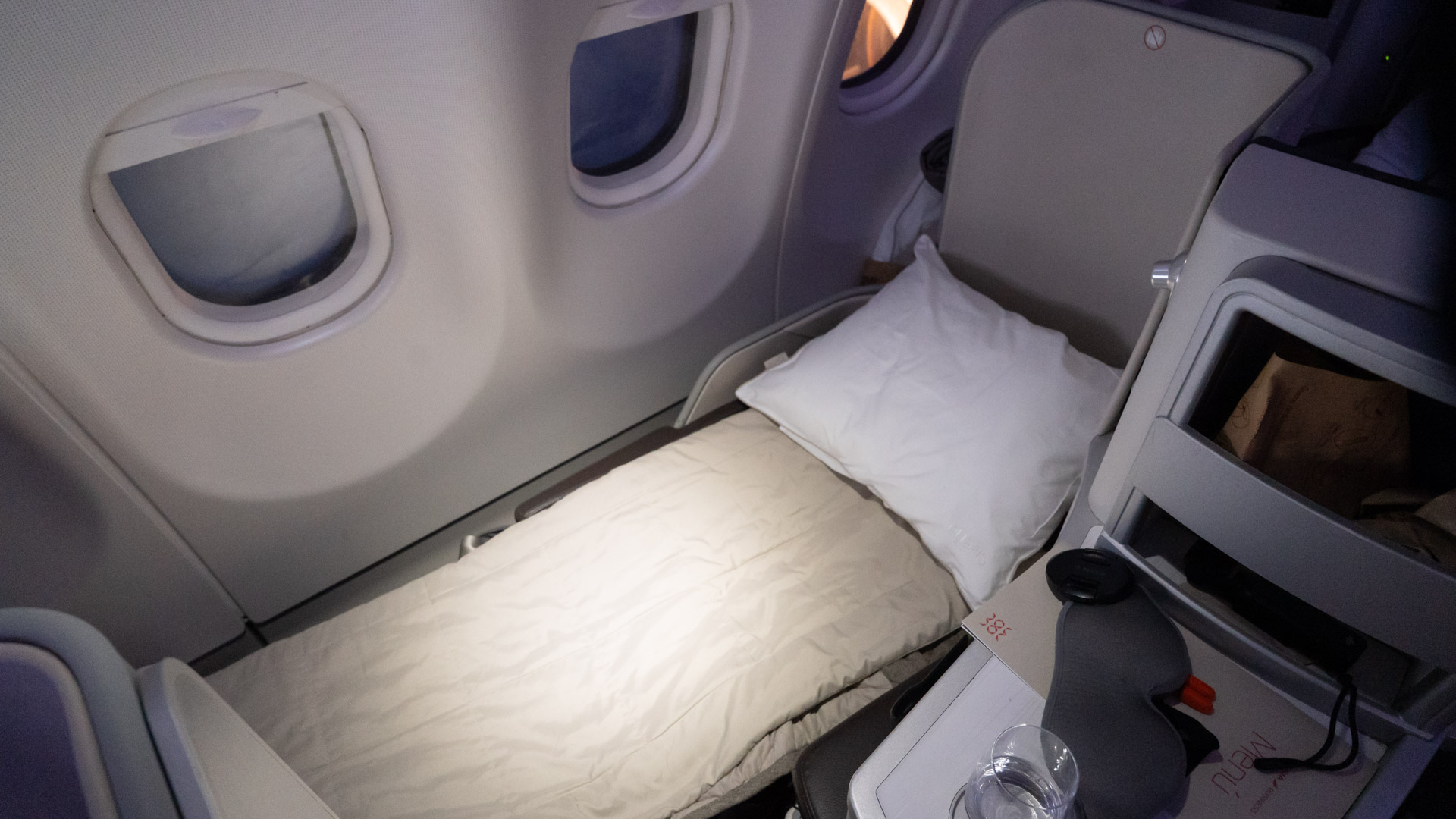
It’s time for Europe! With Iberia, I head from New York JFK to Madrid and then immediately onwards to Barcelona. Iberia’s Airbus A330 Business Class seat is also last-gen, but it’s perfectly comfortable as a flatbed on this transatlantic red-eye.
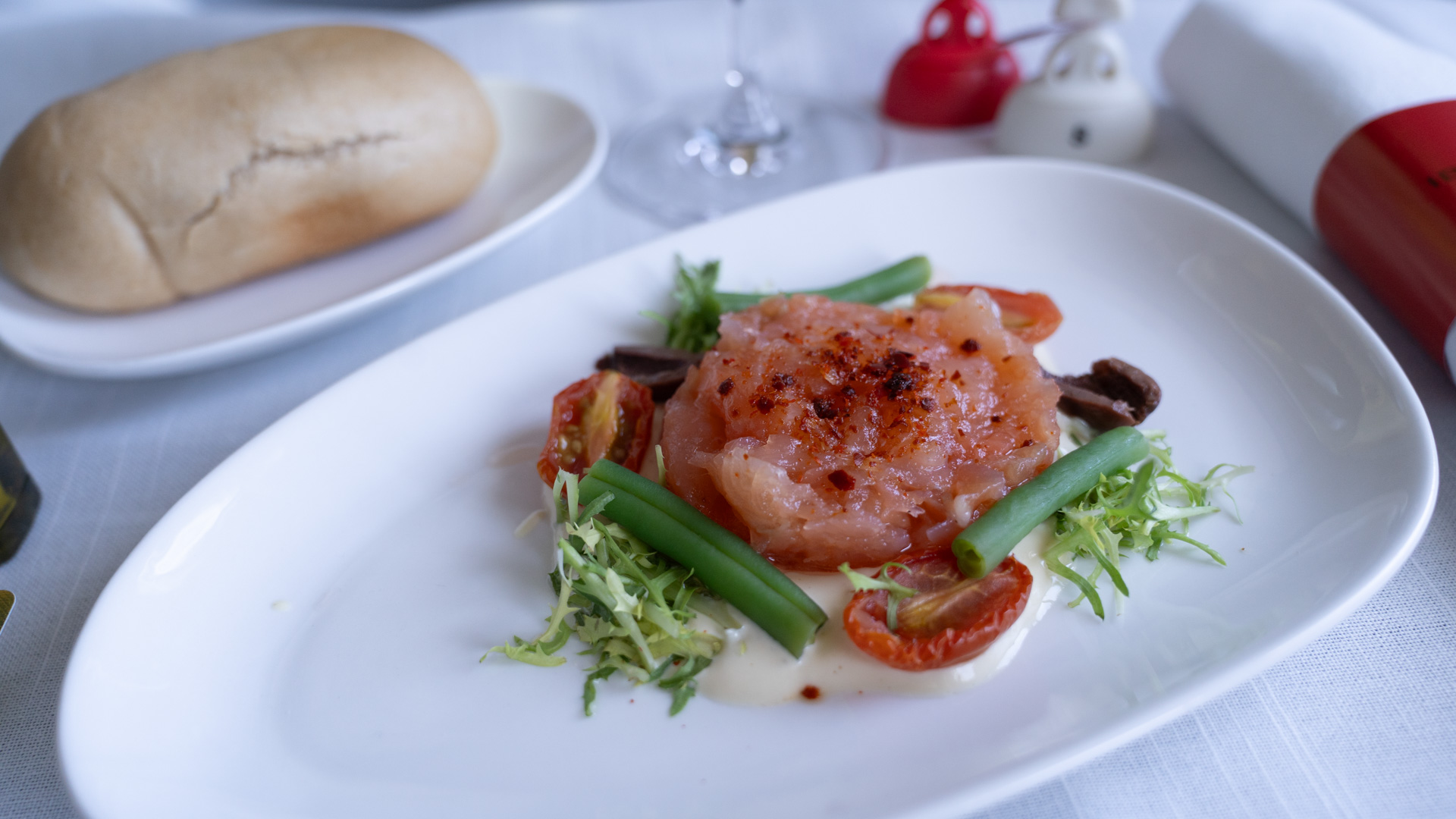
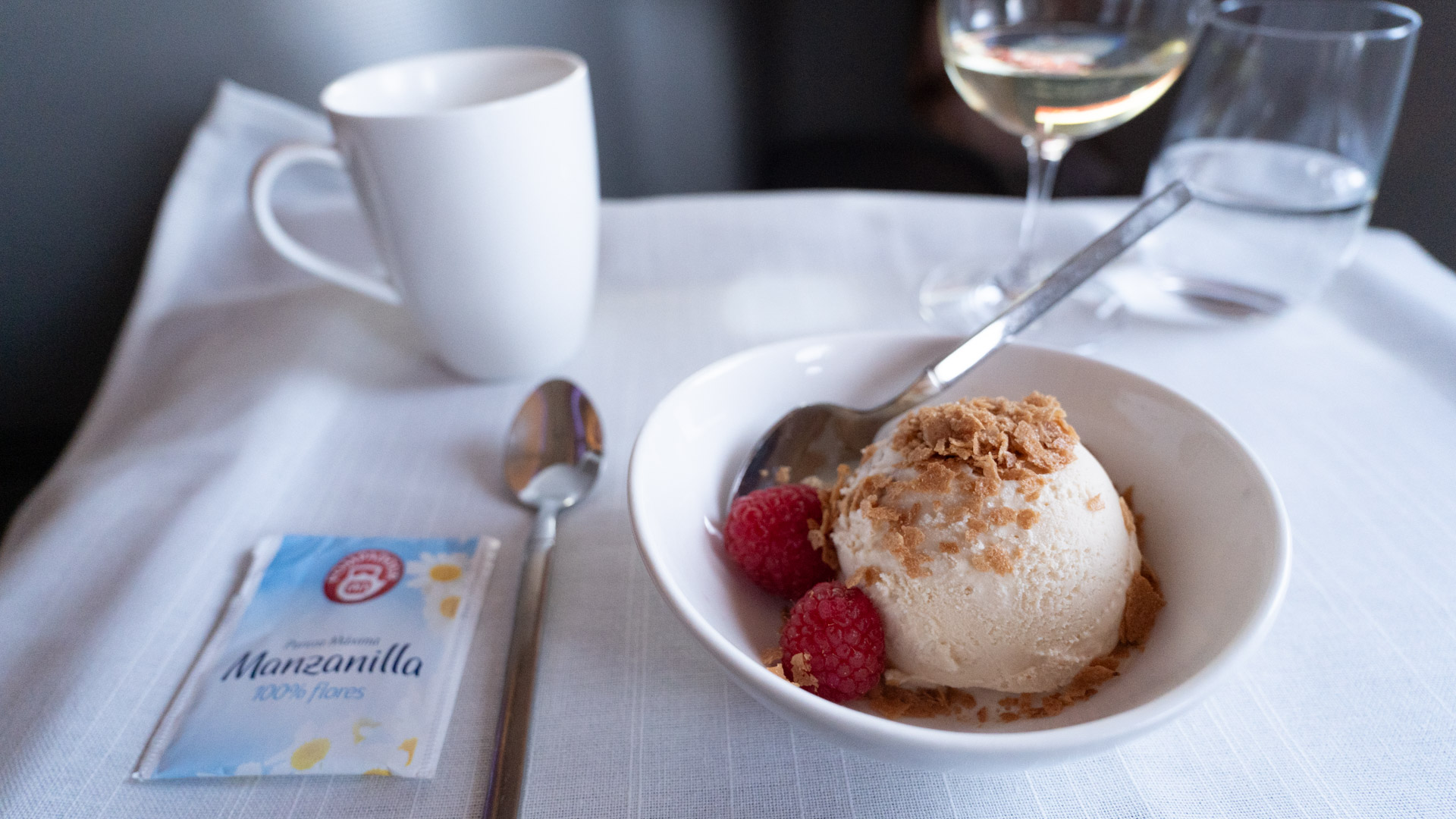
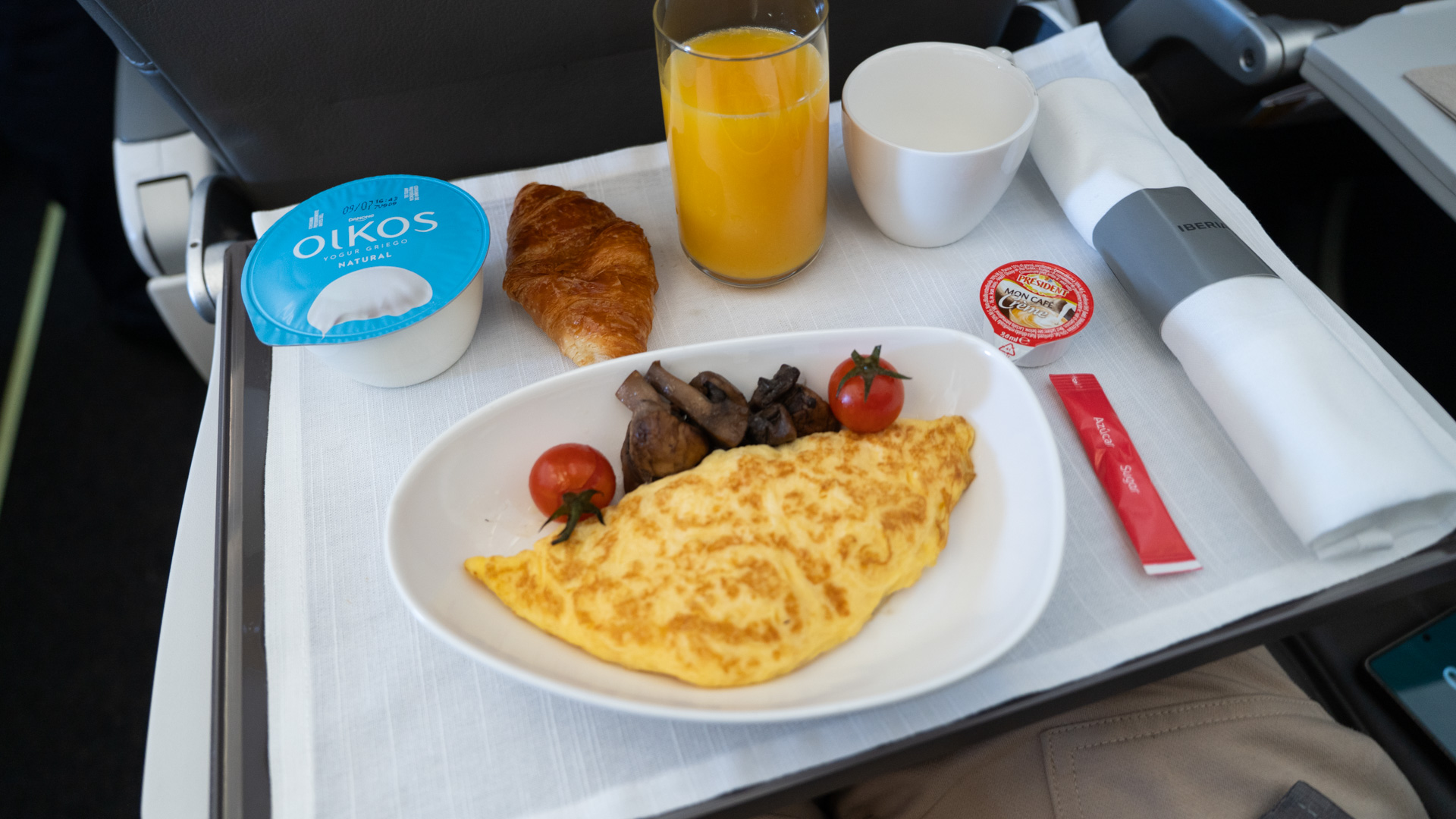
The catering from DO&CO is a step above, offering an excellent three-course dinner. Dishes such as the sautéed prawn pasta in a lemon herb sauce and Dulce de Leche ice cream might sound simple, but their execution is above and beyond anything else I’ve experienced in the skies.

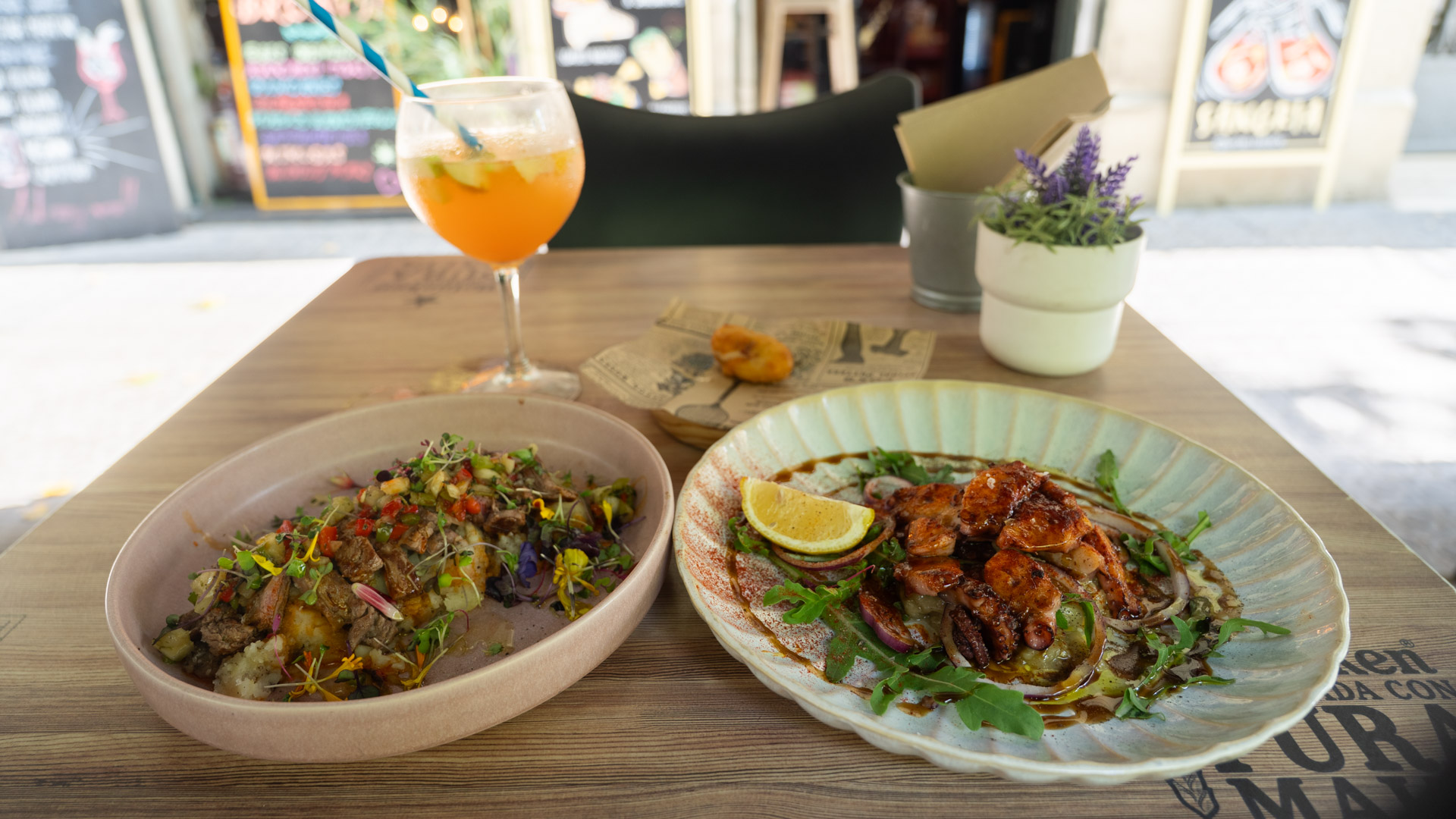
Highlights of my Barcelona stopover: Plenty of sunshine, tapas, sangria and views of La Sagrada Familia. Next time, I’d like to use this as a stepping stone to explore more of Spain.
5. British Airways to London (overnight transit)
I adore London and will happily include it on any European itinerary. However, departures from the UK are subject to the Air Passenger Duty (APD) tax, which can add hundreds of dollars in extra cost to the booking. Instead, I turn London into a shorter overnight transit, which avoids the fee.
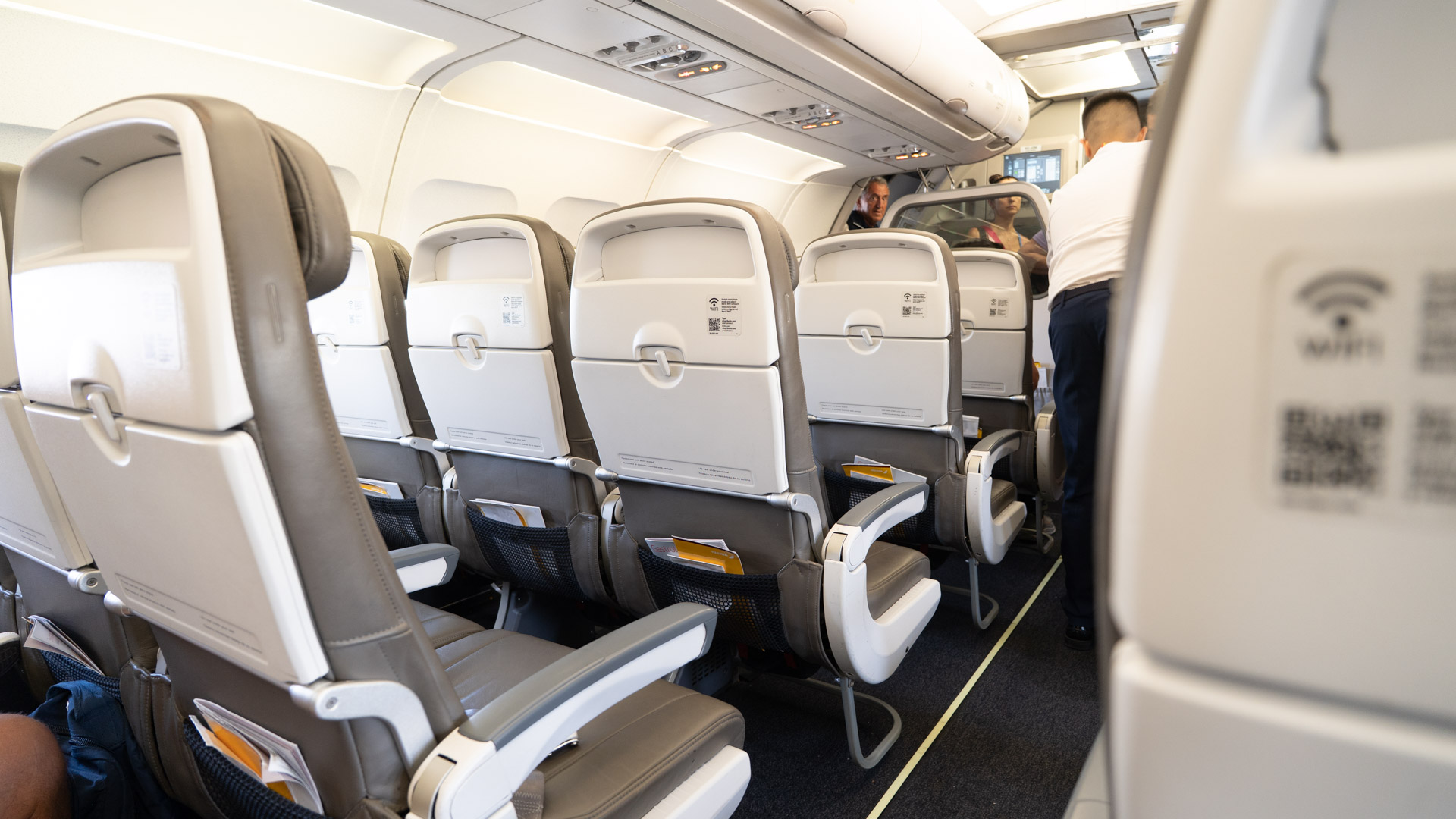
My flight with British Airways is typical ‘Euro Business’ with the middle seat blocked in Economy. Once again, the catering by DO&CO is a highlight.
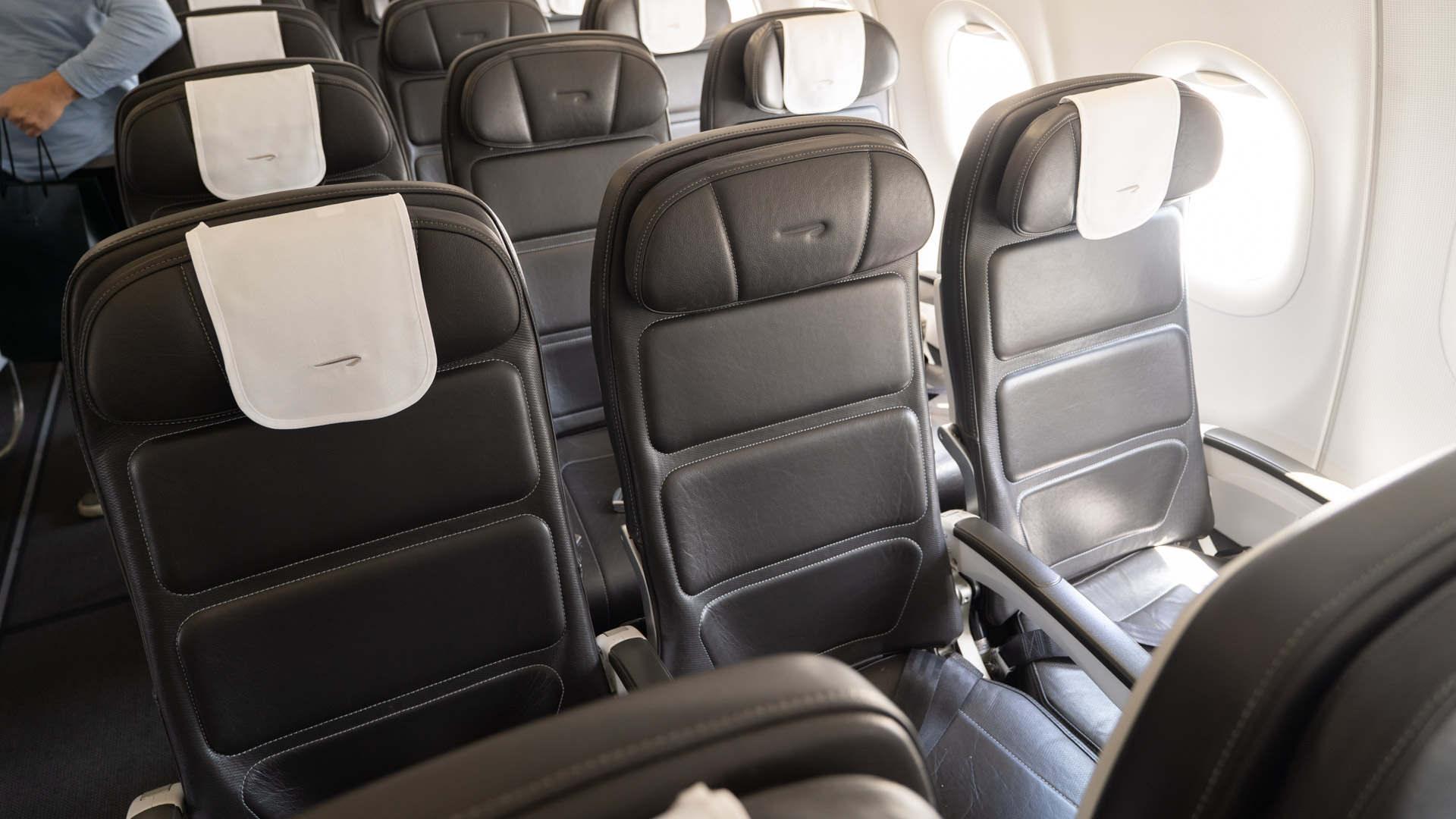
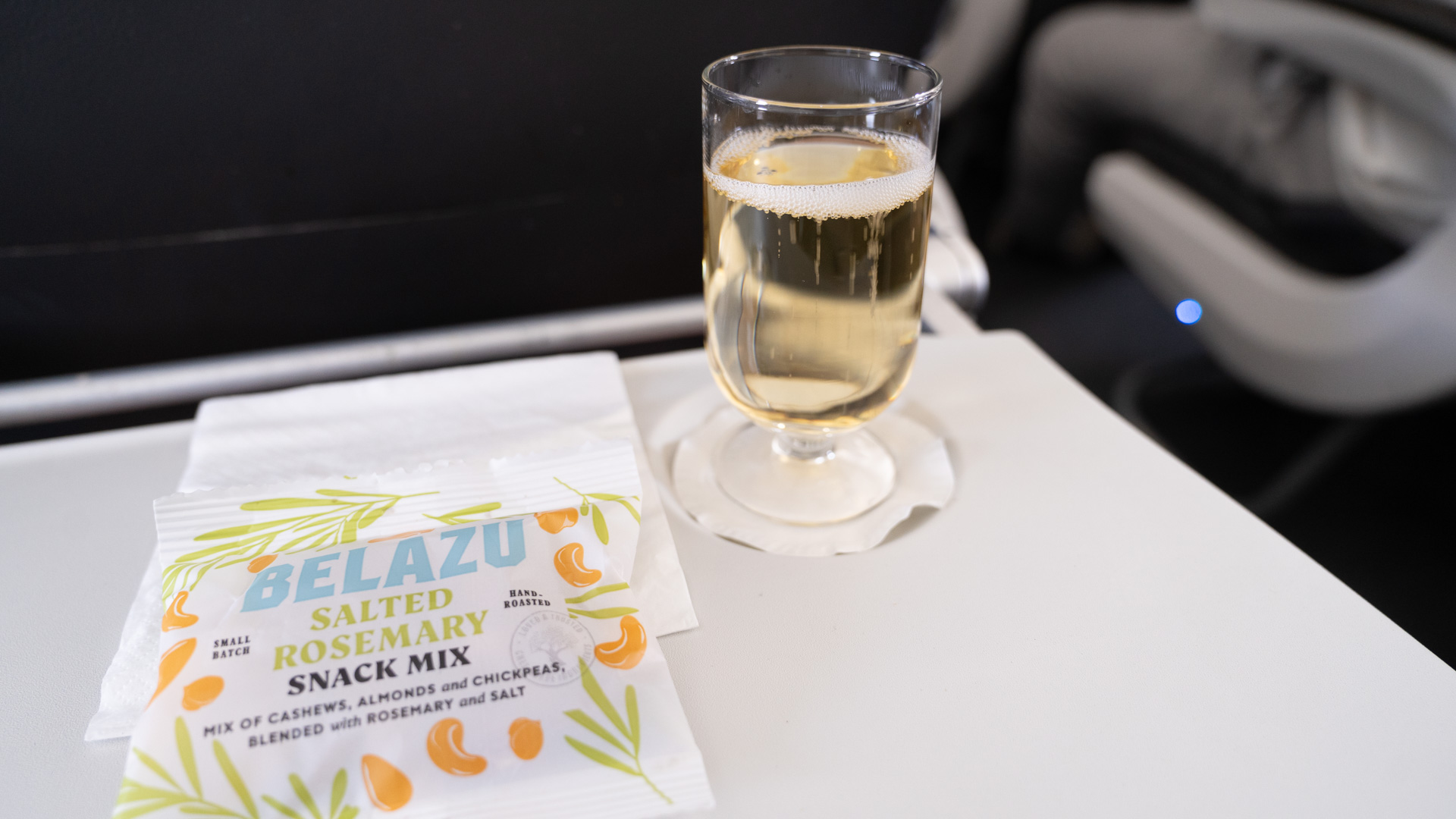
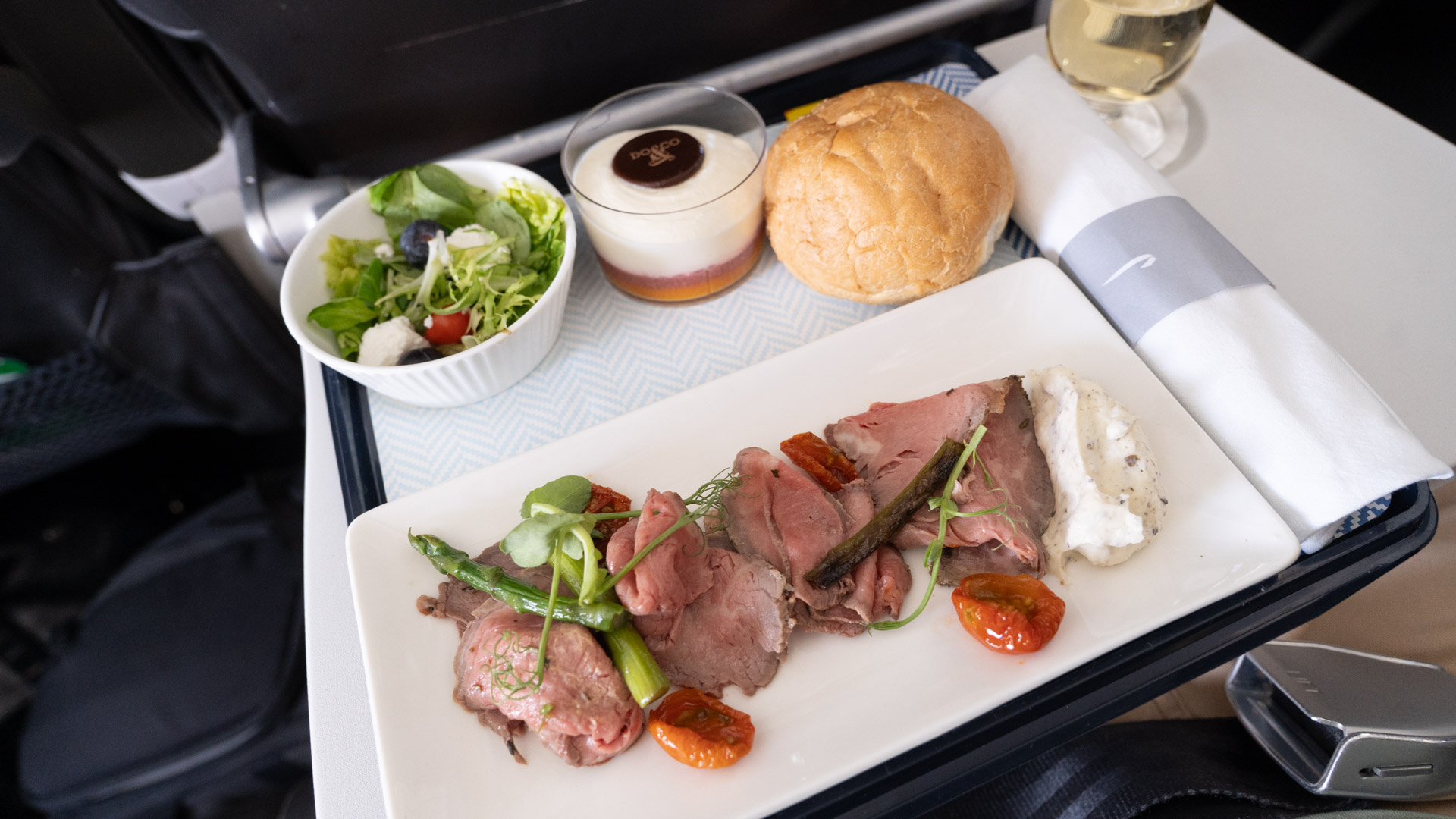
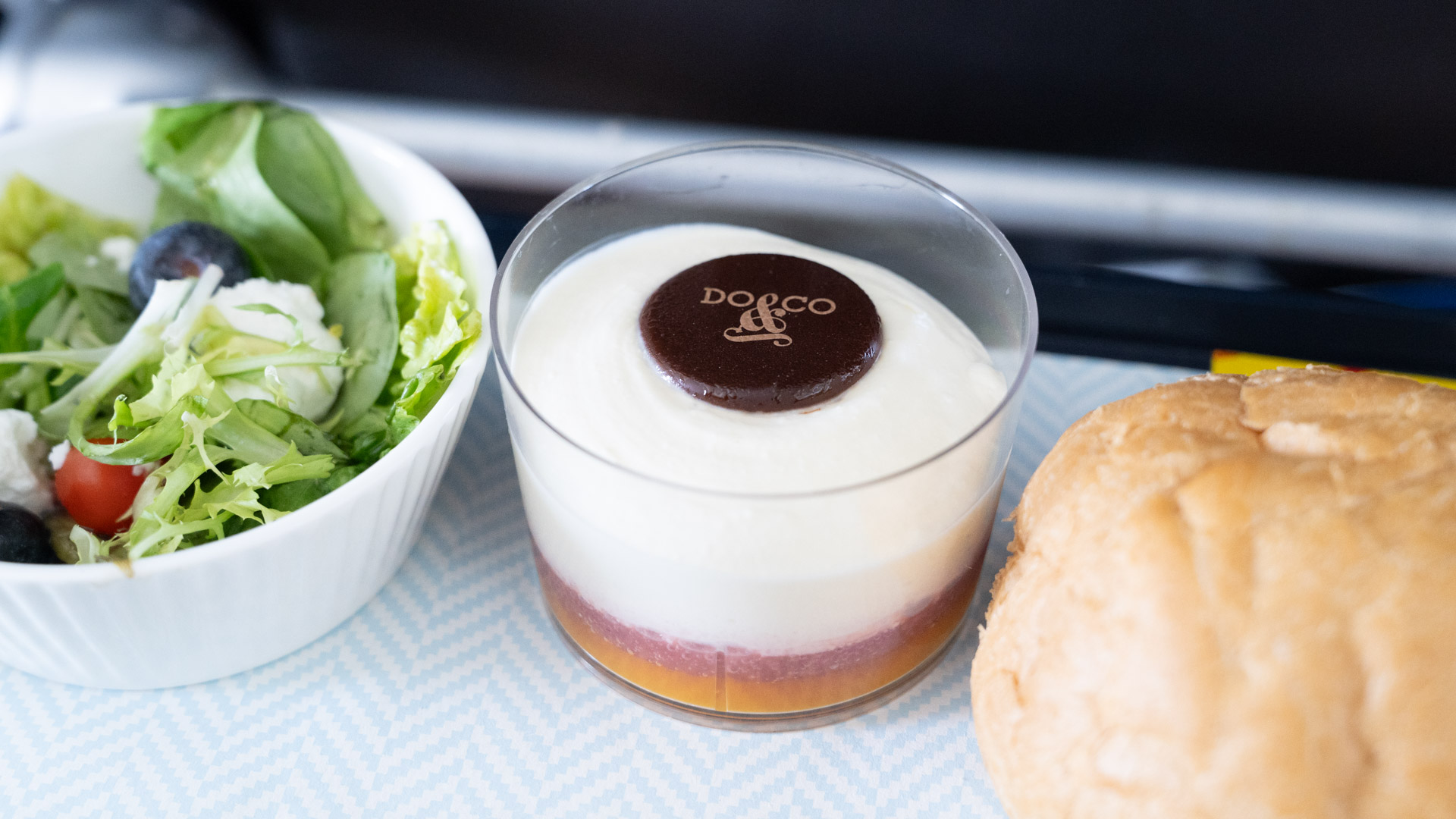
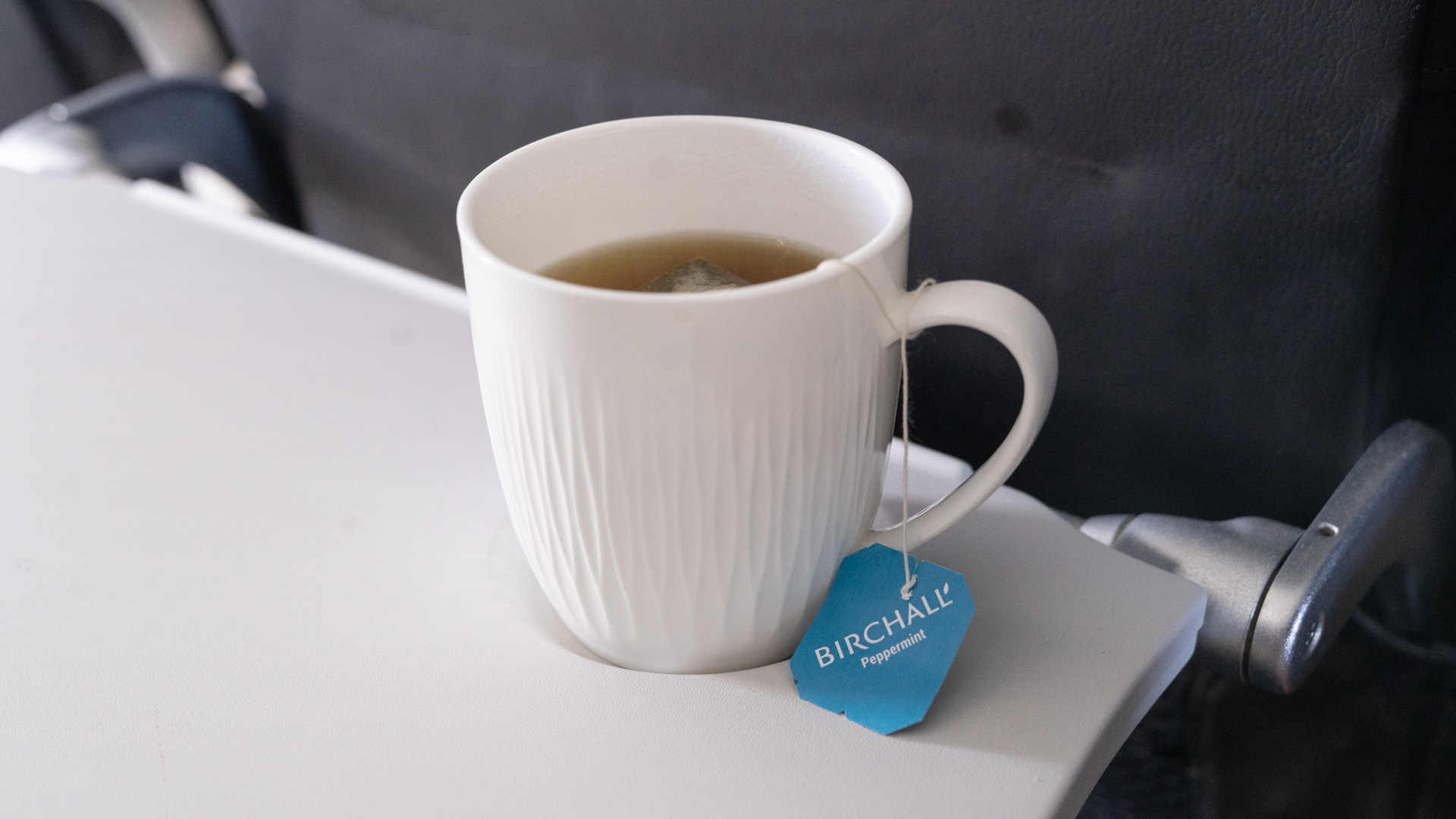
Highlights of my London transit: With an evening free, I manage to grab a rush ticket to Jamie Lloyd’s production of Evita at the London Palladium, starring Rachel Zegler. While it’s a minimalistic take on this story of Eva Perón, the performances are electrifying and is well worth seeing for that alone.
6. Finnair to Helsinki (stopover #4)
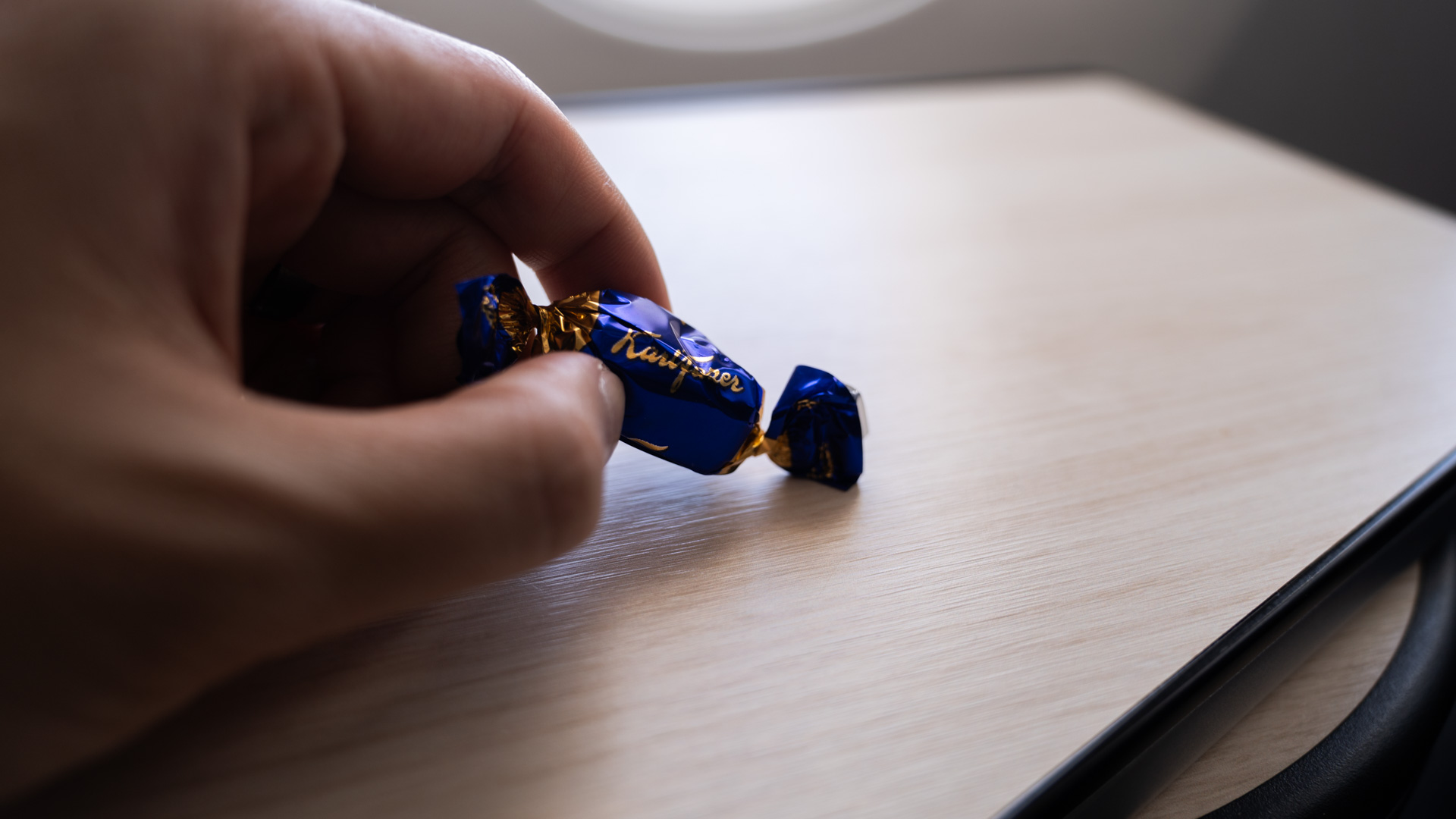
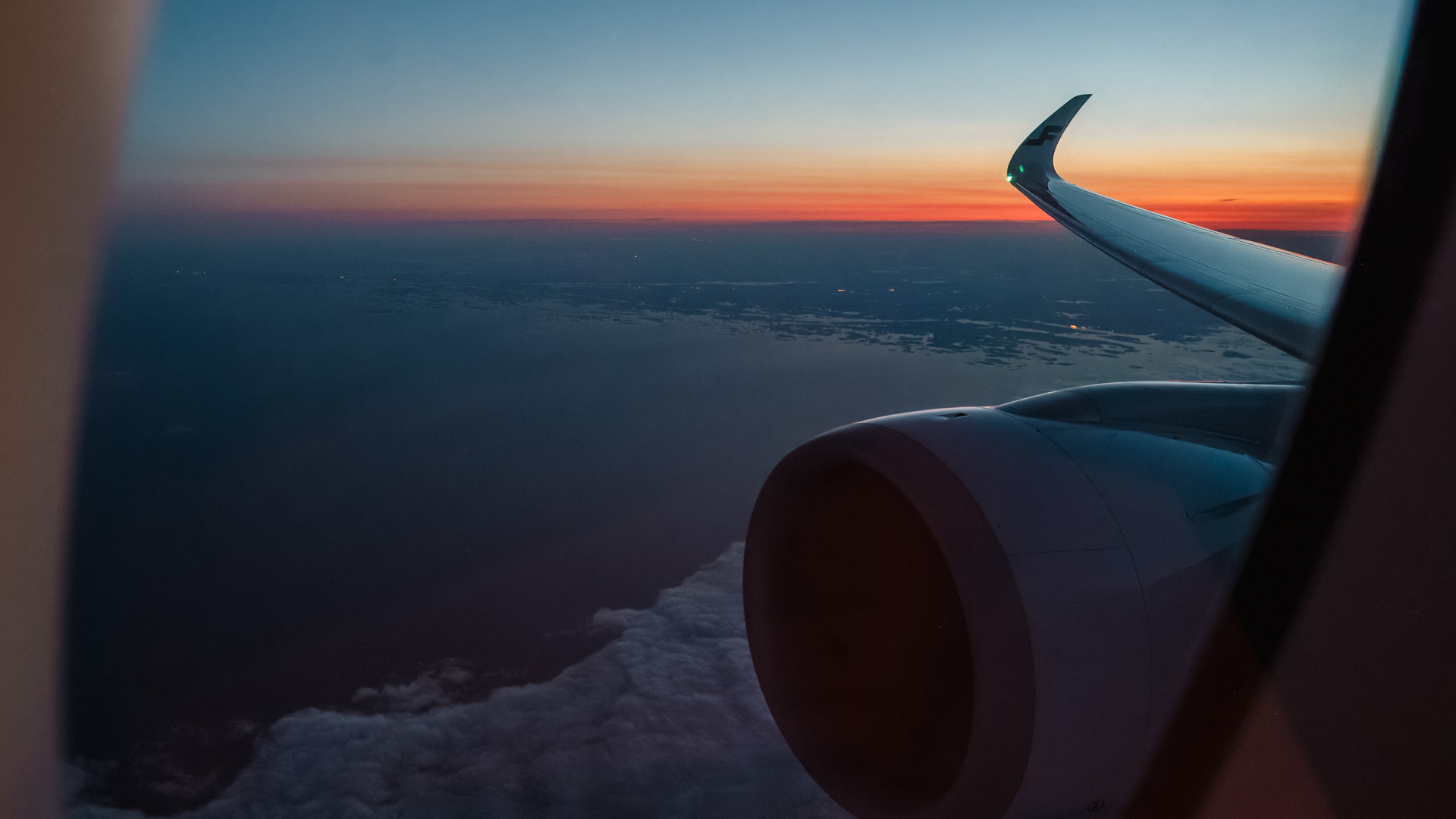
Rounding out the European oneworld carriers is Finnair. You’ll usually find the modern Airbus A350 on a few of the daily flights between London and Helsinki. With low fees and a unique in-flight twist (blueberry juice is available complimentary in all cabins), Finnair is always a worthy addition to your round-the-world trip.
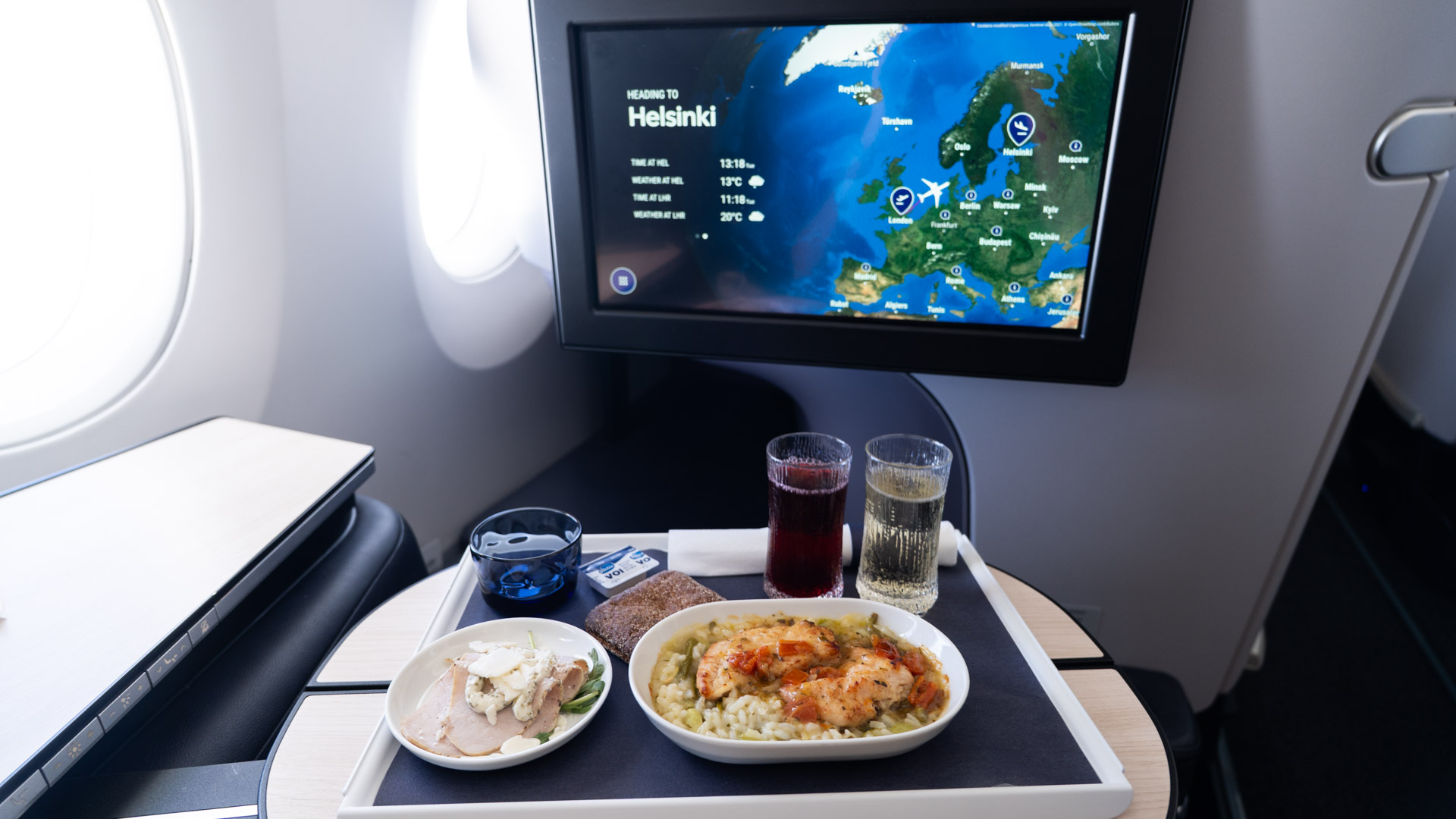
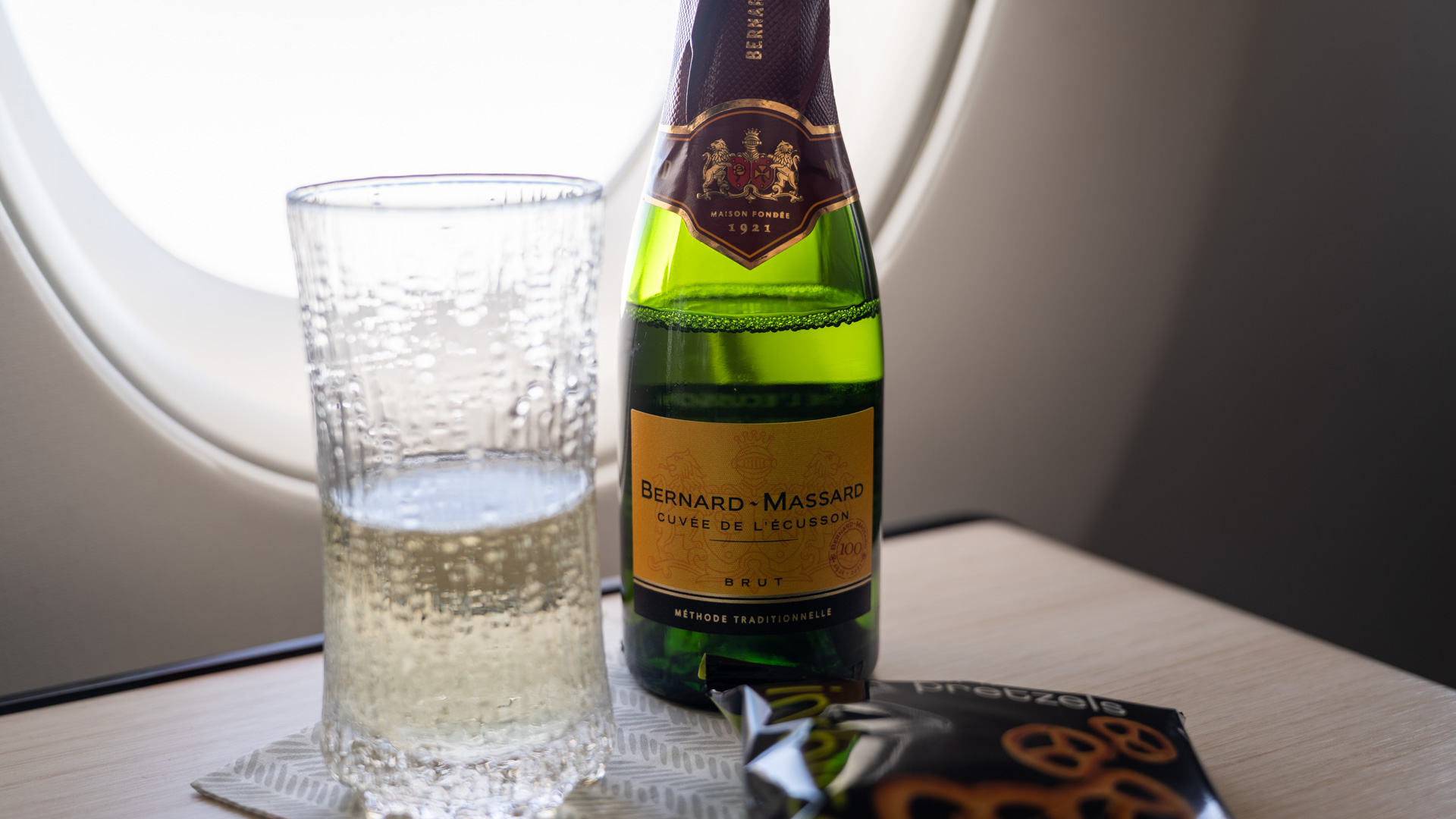
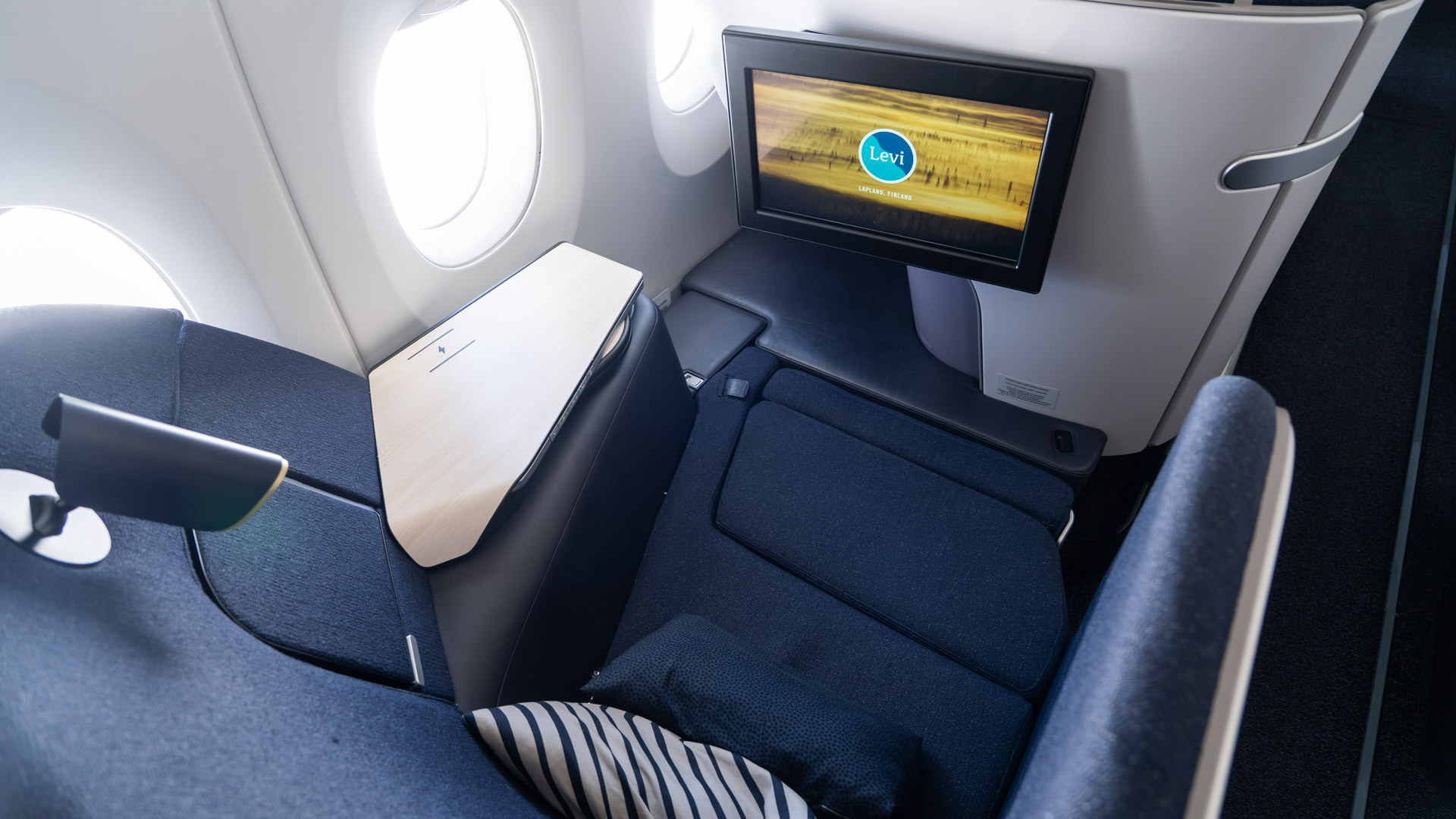

Highlights of my Helsinki stopover: There are plenty of sights to see within the city, including a ferry ride to the nearby sea fortress island, Suomenlinna. Be sure to leave space in your suitcase for European goodies from the K-Supermarket and the S-Market stores.
7. Finnair to Hong Kong (overnight transit)
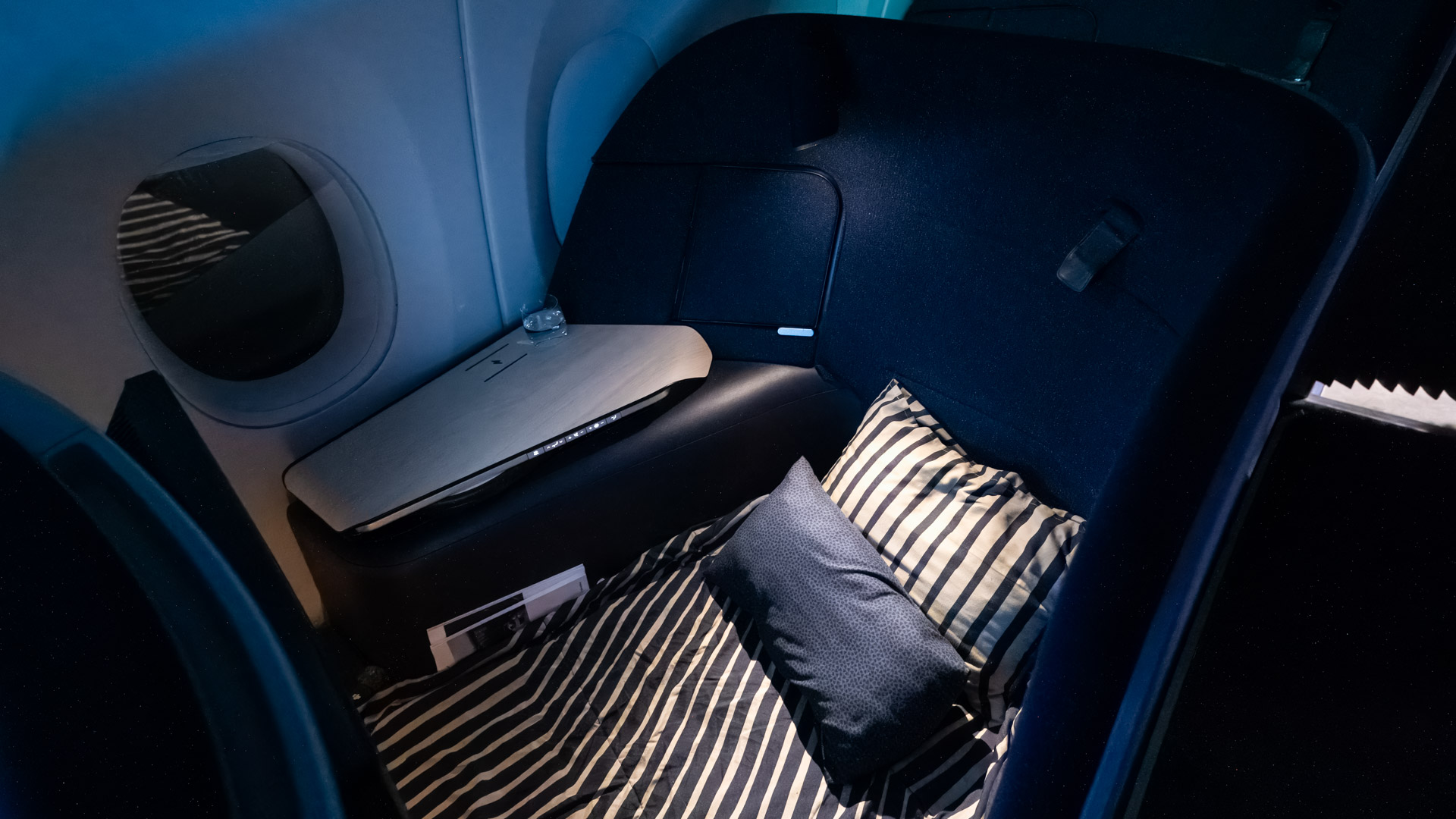
Finnair is also a solid option for getting from Europe to Asia. Its controversial Airbus A350 AirLounge seat doesn’t recline in the traditional sense, but once set up with a mattress topper and duvet, it transforms into a plush, fully flat bed that’s great for sleeping.
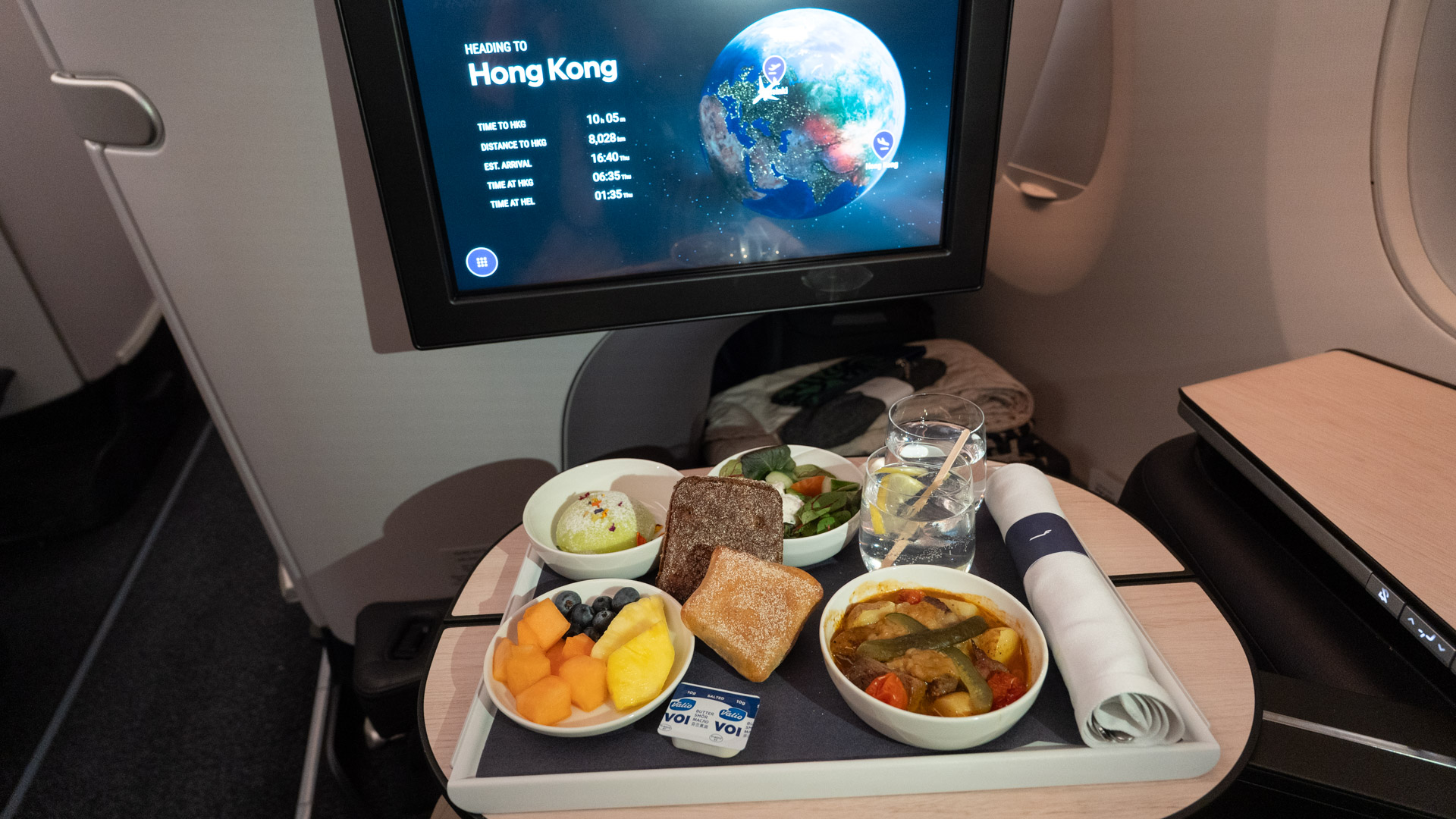
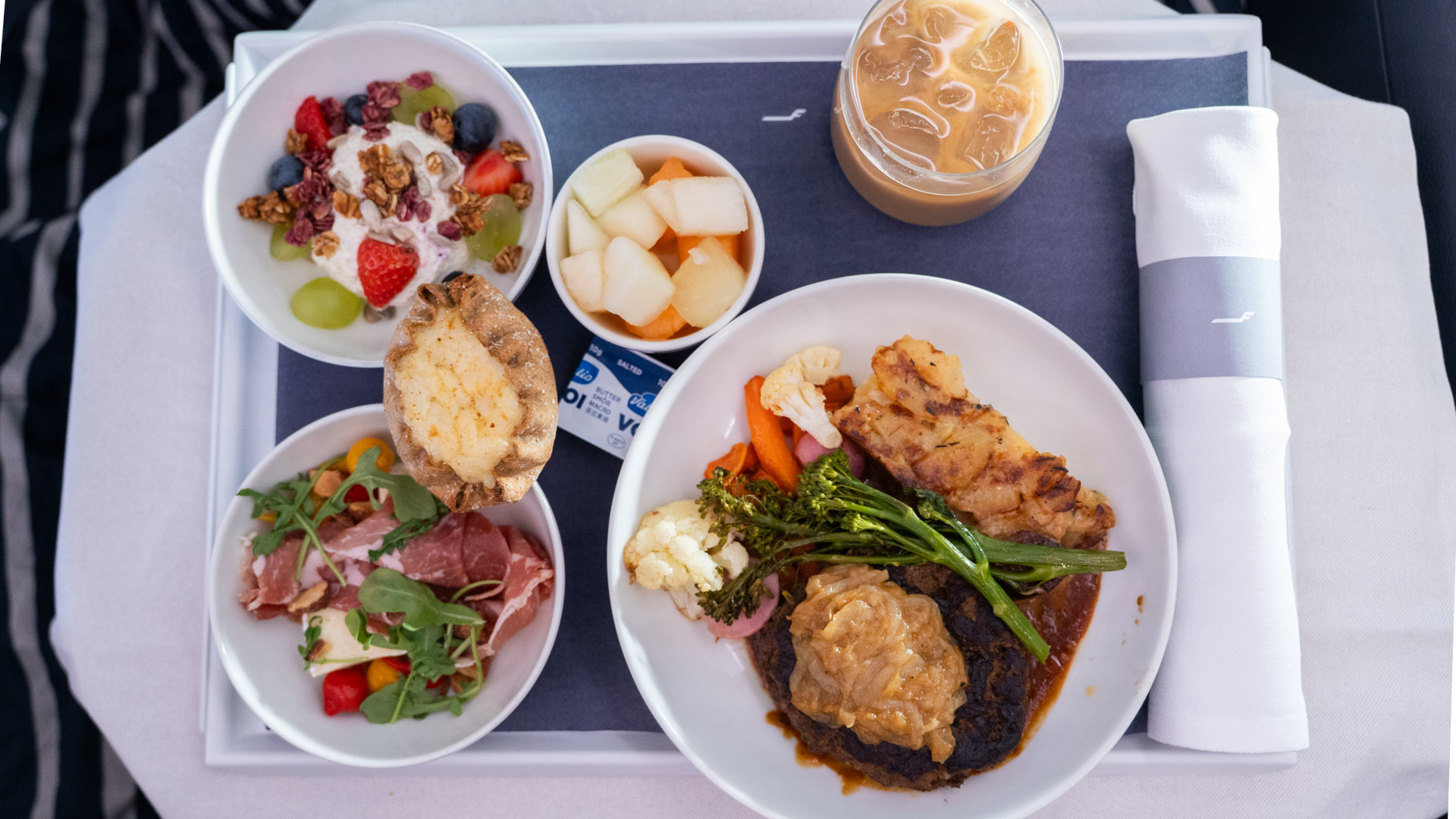
While the onboard dining doesn’t quite hit the mark for me, the consistently low fees and taxes – often under A$100 one-way – make it a strong value choice for Qantas Points redemptions.
Highlights of my Hong Kong transit: With another evening transit, I take the Star Ferry to Tsim Sha Tsui and tuck into a hearty plate of roast goose at Yung’s Tangerine Peel Roast Goose. The next day, a visit to the Qantas Hong Kong Lounge for coffee and dim sum, followed by the Cathay Pacific The Pier Business Lounge for noodles and tea, is in order.
8. Cathay Pacific to Singapore (stopover #5)
Okay, I’ll admit it. This leg is in Premium Economy. There was a Business Class seat available on an earlier flight, but sleep matters. I prefer a more relaxed morning at the airport, so I choose the later departure, even though only Premium Economy is available.
It’s a short three-hour hop, and Cathay Pacific’s Airbus A350 Premium Economy more than holds its own. With a generous recline, adjustable legrest, and a tasty onboard meal that wouldn’t be out of place in Business Class on many short-haul flights, I arrive comfortable and well-fed – no regrets.

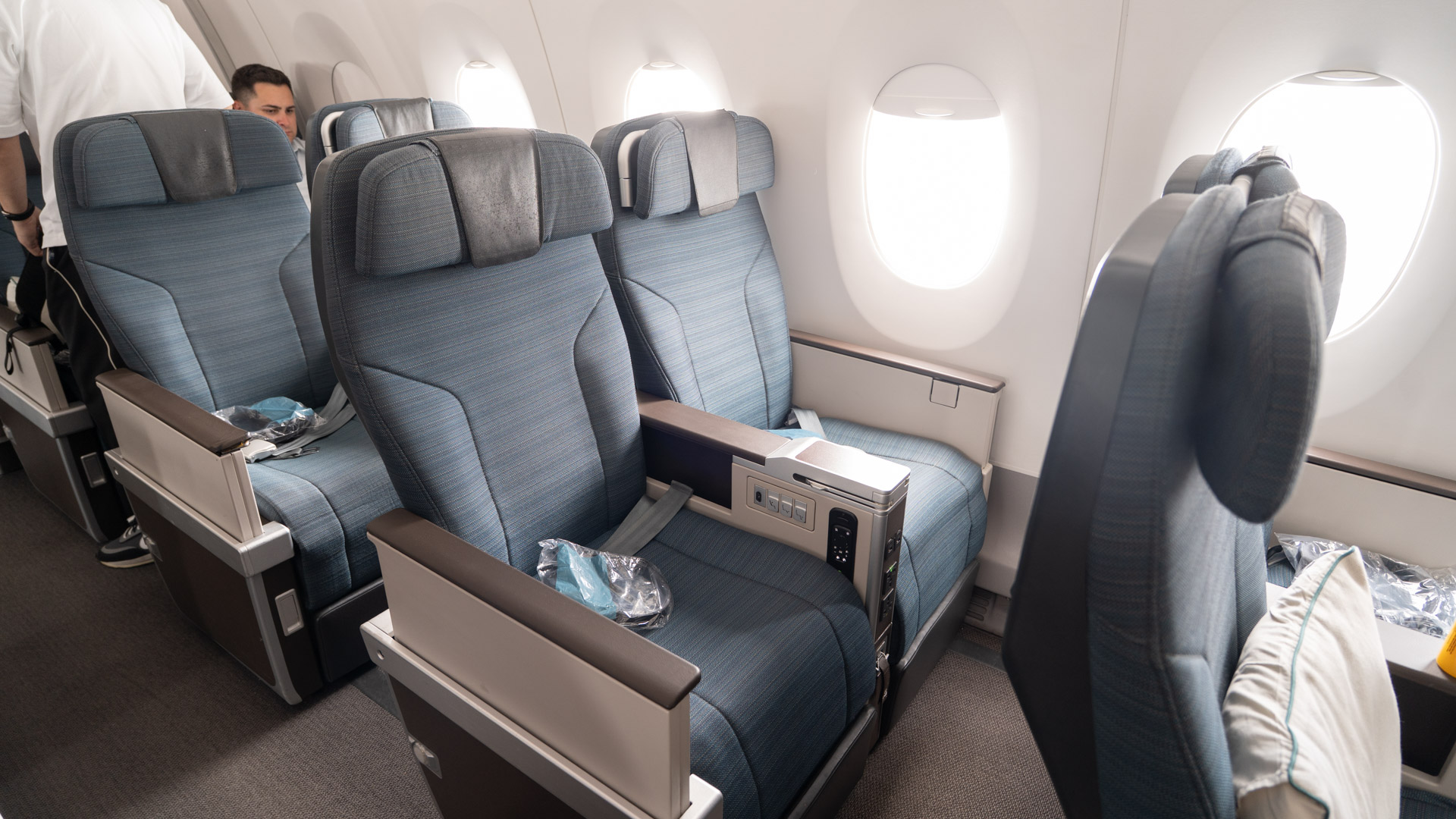
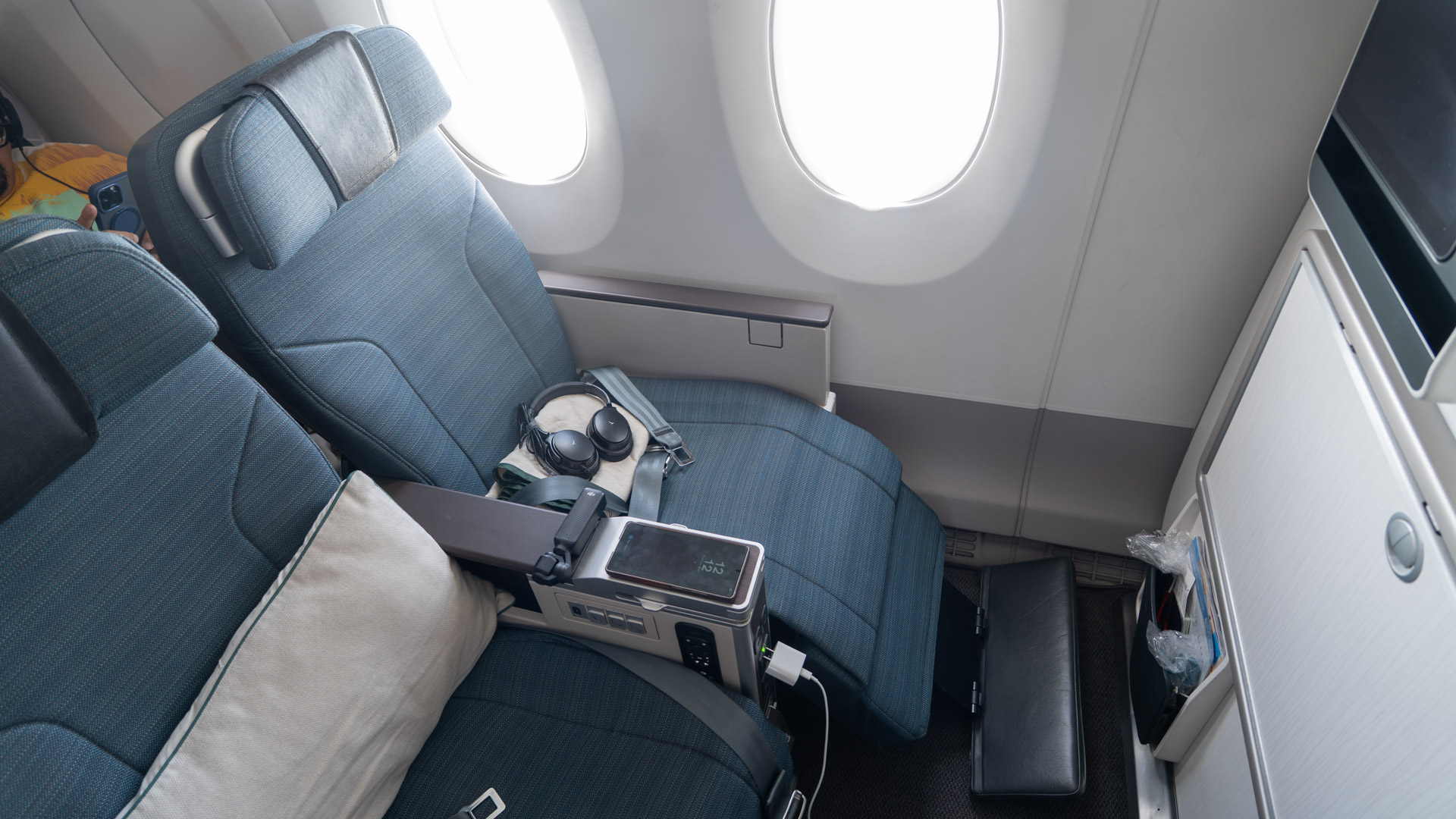
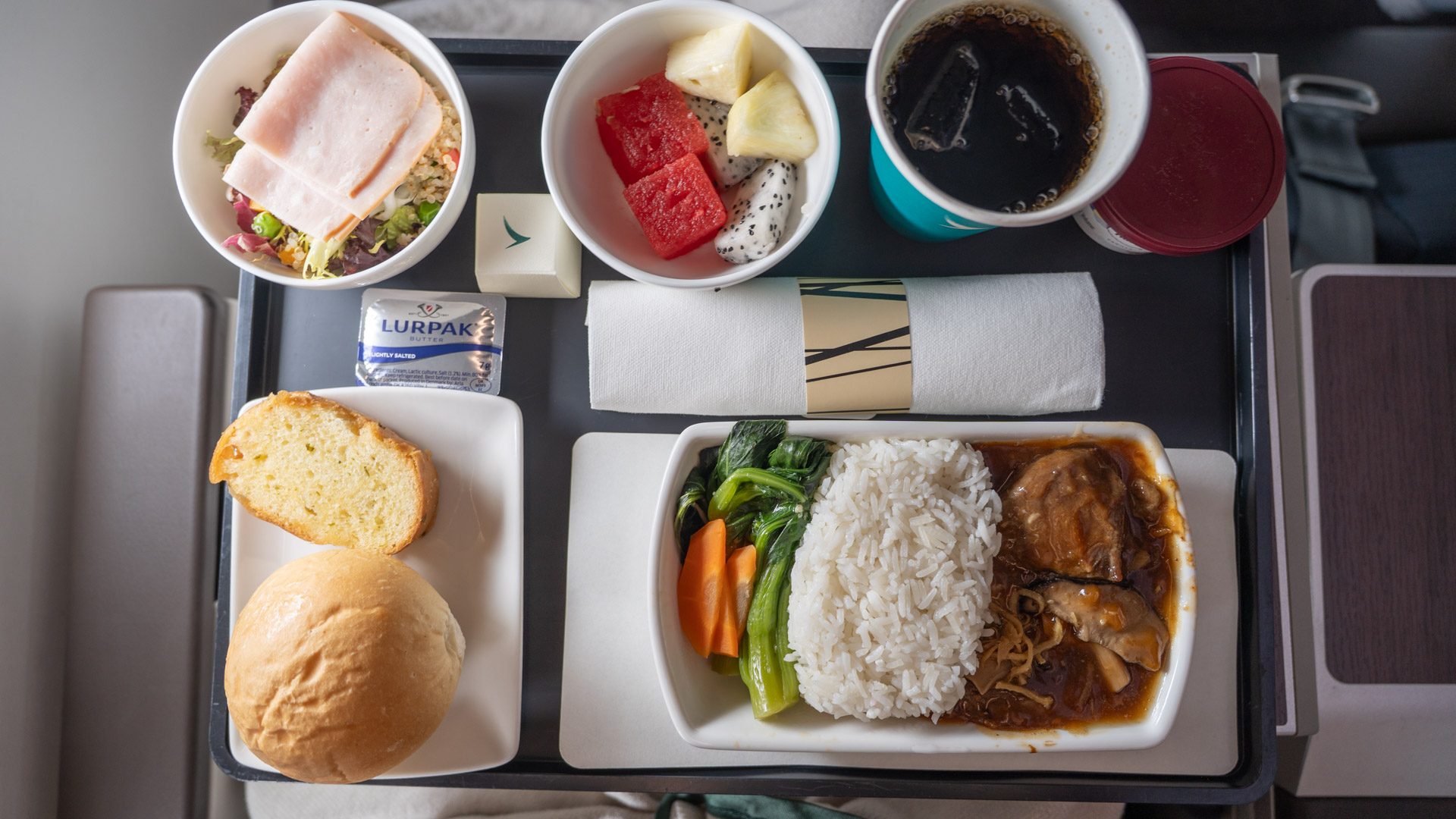
Highlights of my Singapore stopover: Catching up with friends and all the local food – silky chicken rice, fragrant durian and more. It’s also worth visiting the Merlion Park at sunset to catch excellent views of Marina Bay Sands and the Merlion fountain.
9. Qantas back to Australia
Finally, it’s time to head home. With QF82 from Singapore to Sydney temporarily operated by an Airbus A380, there were plenty of reward seats in Business Class at the time of booking.
The supper and light breakfast are fairly average and eat into my sleeping time, so next time, I’d opt to dine in the lounge and maximise rest onboard. That said, the provided Qantas pyjamas and thick bedding do their job – I manage to clock around four hours of solid sleep.
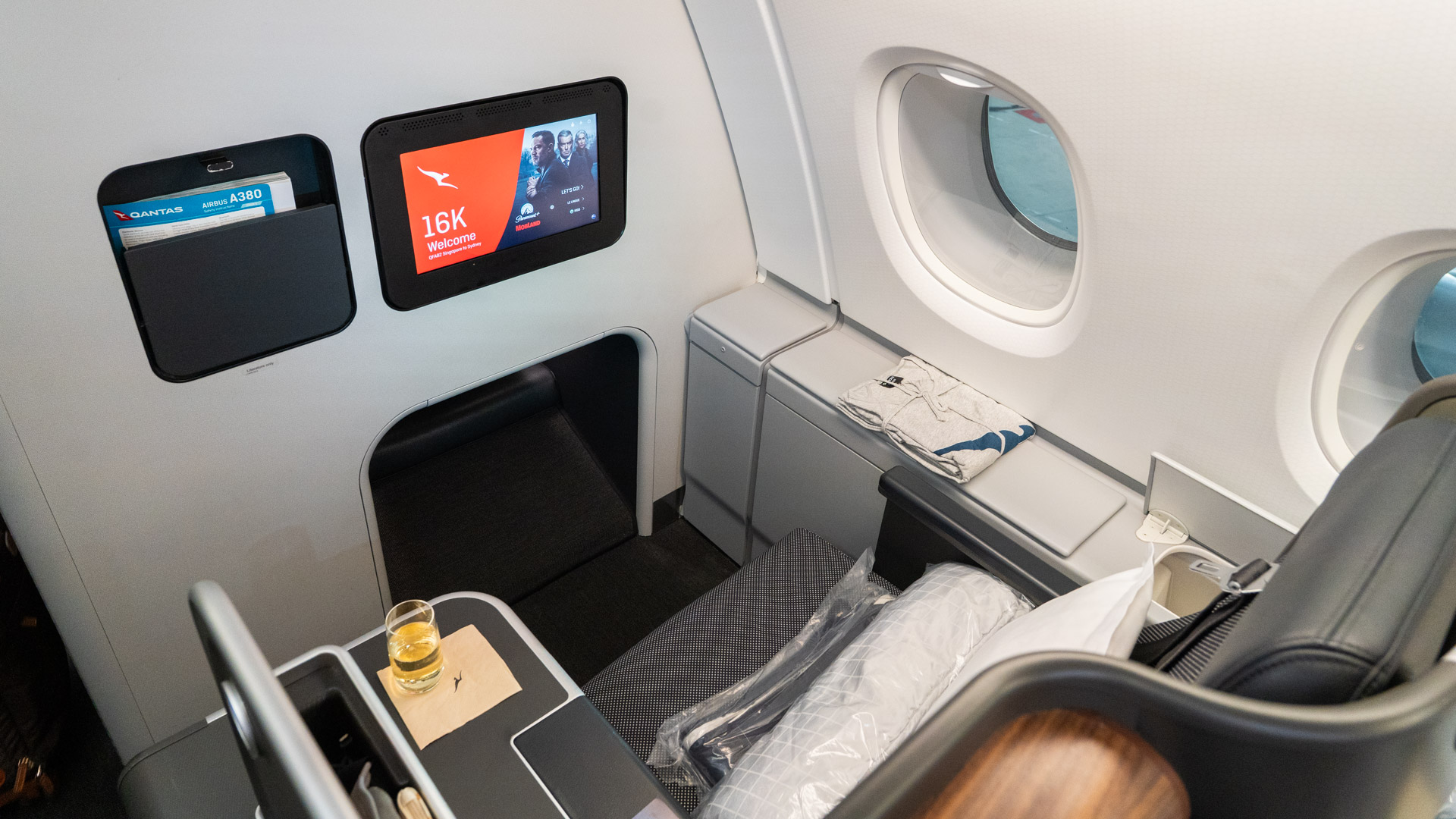
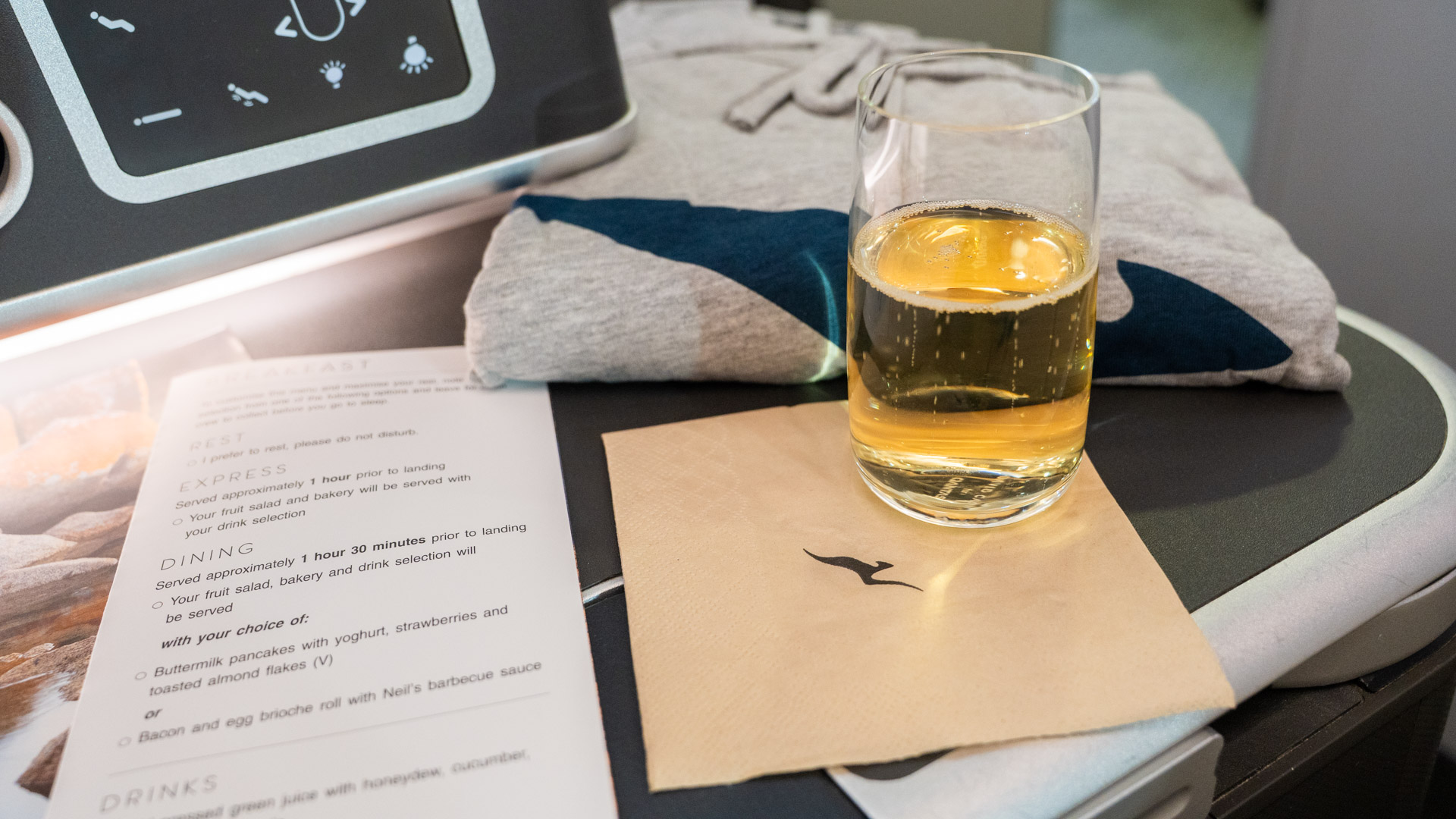

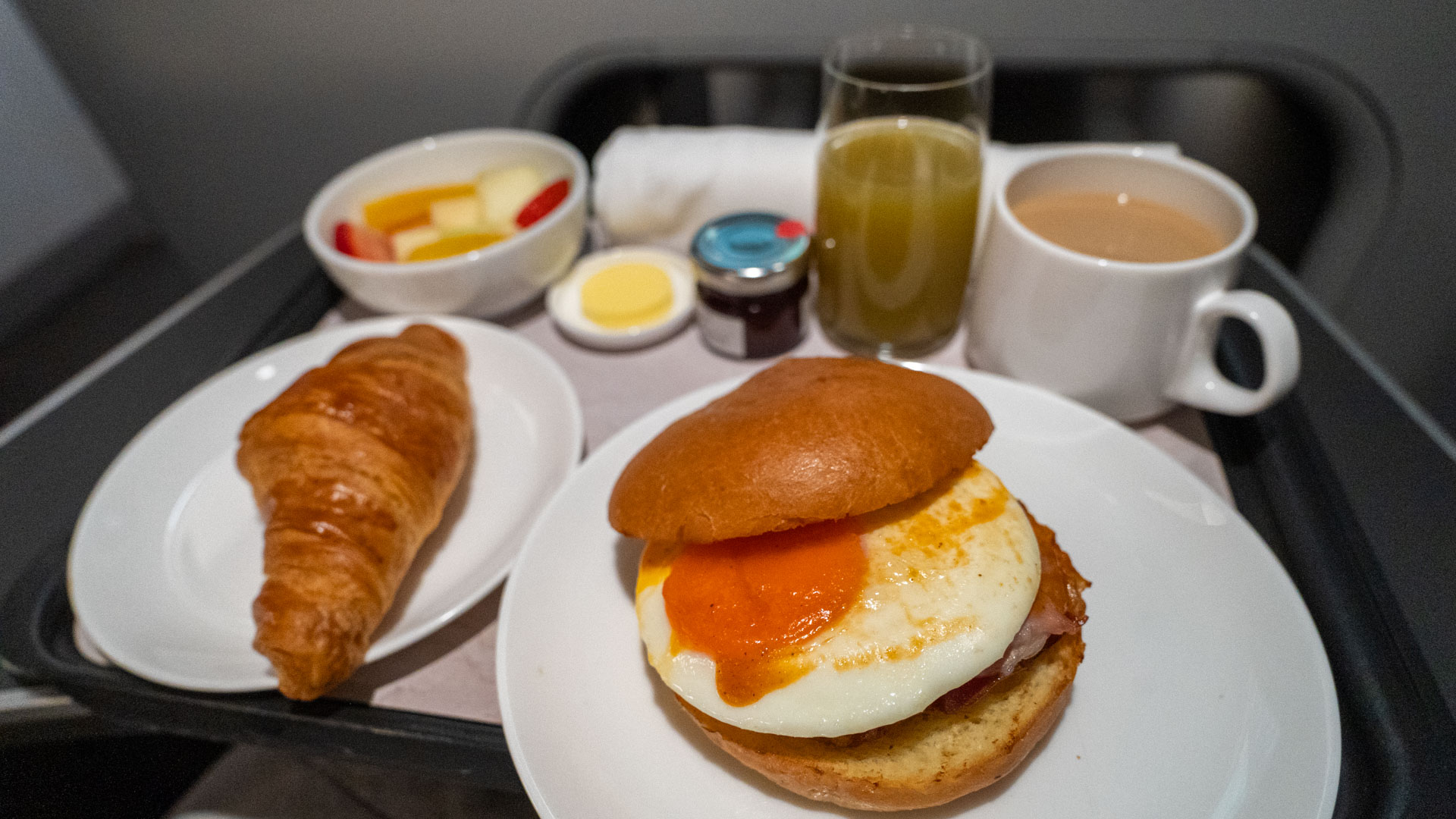
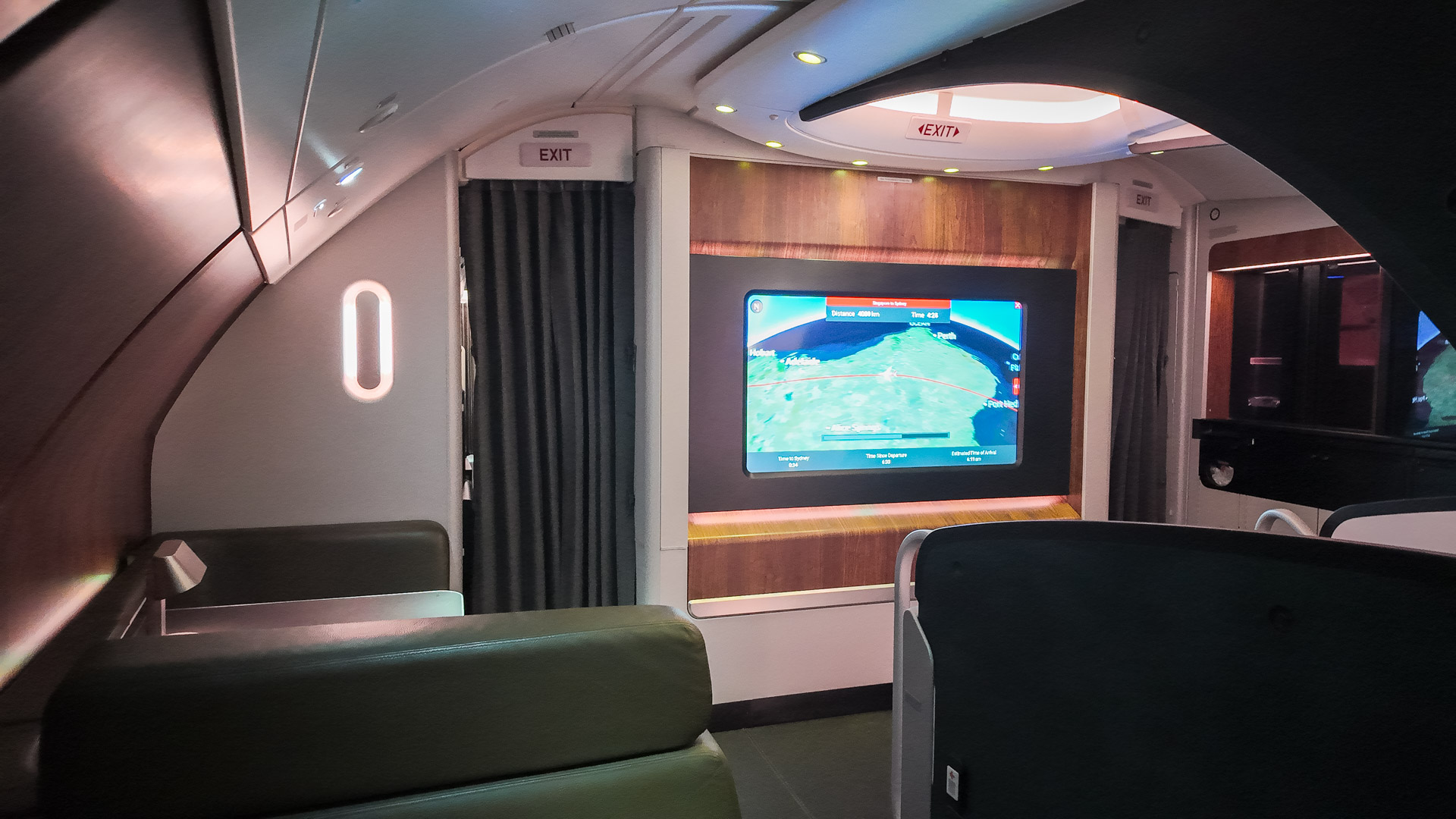
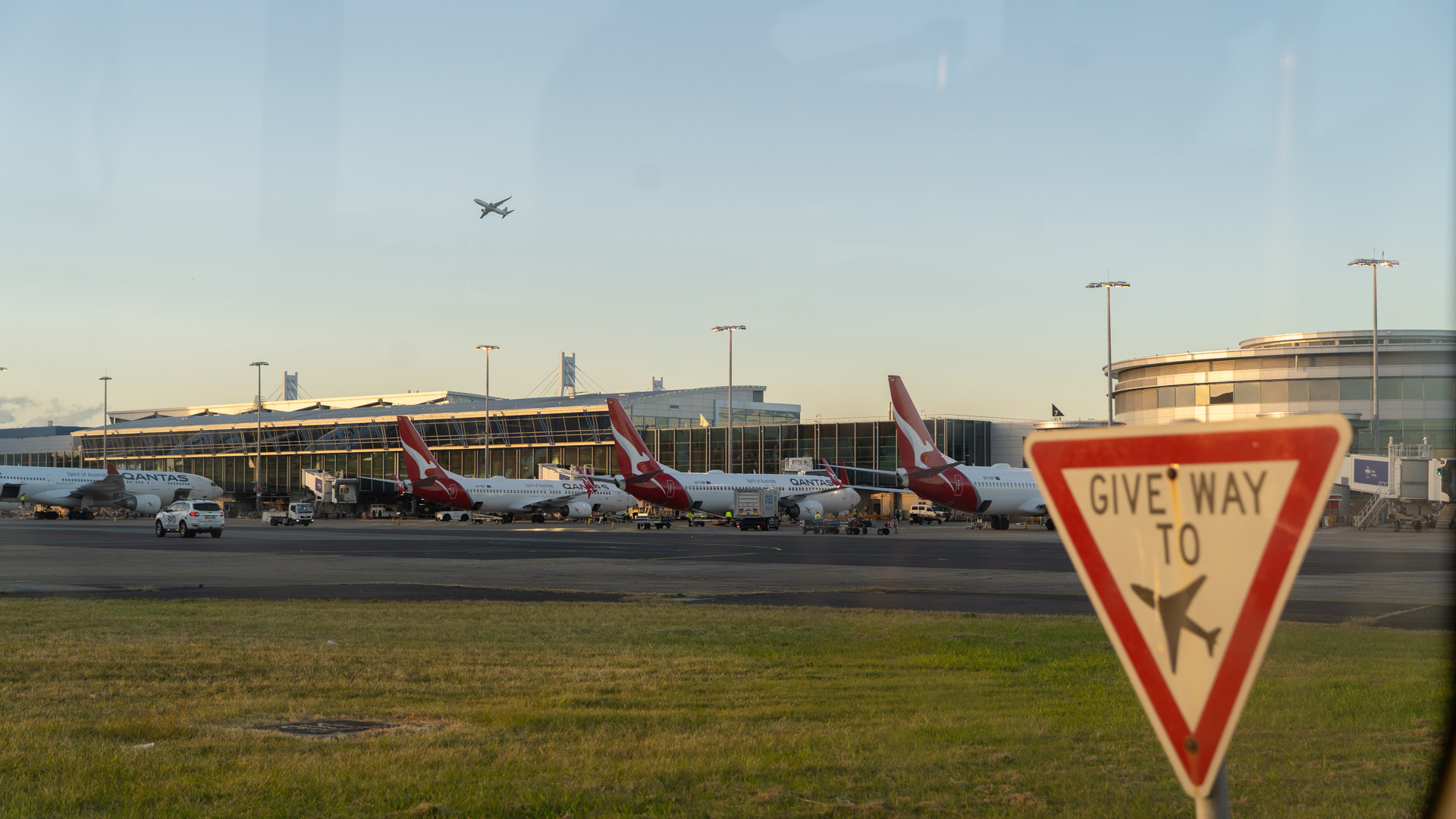
After a brisk transfer to the domestic terminal, I board the final leg of my journey – a transcontinental flight back to Perth on the Airbus A330.
The lie-flat seat is a welcome luxury on a domestic route, giving me the chance to catch up on some much-needed rest. I touch down feeling a little jet-lagged, but full of stories from a whirlwind round-the-world adventure made possible with points.
5 tips from booking my round-the-world trip with Qantas Points
Planning a round-the-world Oneworld Classic Flight Reward with Qantas Points is the points equivalent of training for a marathon. It’s a game of flexibility, timing, and smart strategy.
For a solo traveller, it’s generally not too tricky to pull off a round-the-world redemption with points. For two people or more, it does get considerably harder, unfortunately. Here are the key lessons from my trip.
Want to build your own round-the-world trip using Qantas Points?
Get access to our brand-new Qantas Round the World Trip Builder, featuring clear step-by-step instructions, expert tips and hacks, and most importantly, thousands of dates with available reward seats. It includes everything you need to piece together your dream itinerary with availability across the next 12 months.
1. Look at new routes for better availability
Airlines often release more reward seats on newly launched or recently adjusted routes, including in premium cabins. Stay on top of airline announcements and check schedules regularly.
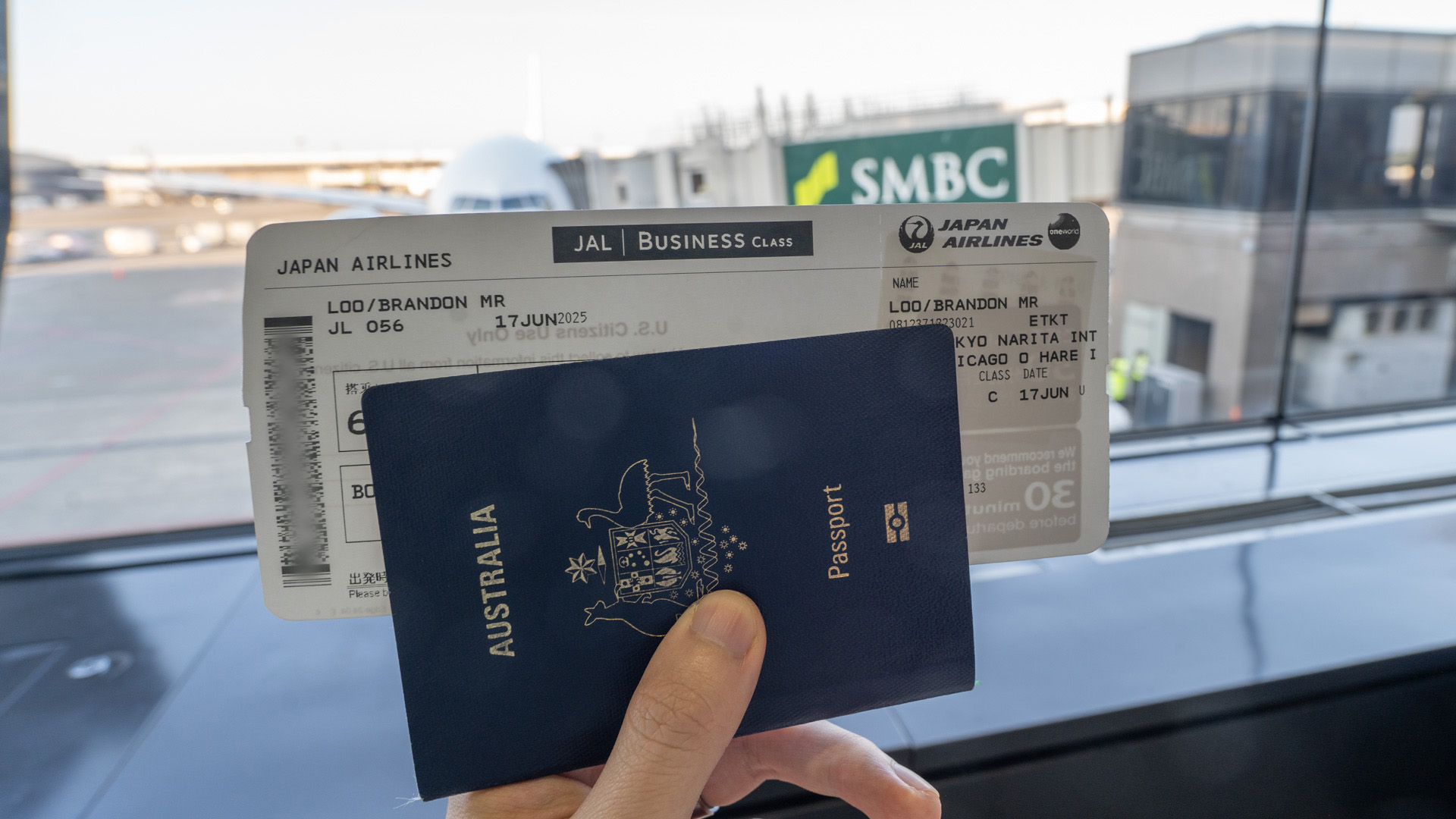
For example, I found great Business Class availability on Japan Airlines’ Tokyo–Narita to Chicago route, which had only recently launched. Similarly, QF82 from Singapore to Sydney was temporarily upgraded from an Airbus A330 to an Airbus A380, opening up a flood of Business reward seats for a limited time.
You may want to consider using a paid service, such as Gyoza Flights or Seats.Aero, to search more efficiently.
2. Minimise fees and taxes by picking the right airlines
Not all reward bookings are equal when it comes to cash outlay. Some airlines, such as British Airways, add hefty carrier charges on certain routes that can push your ticket into the realm of expensive.
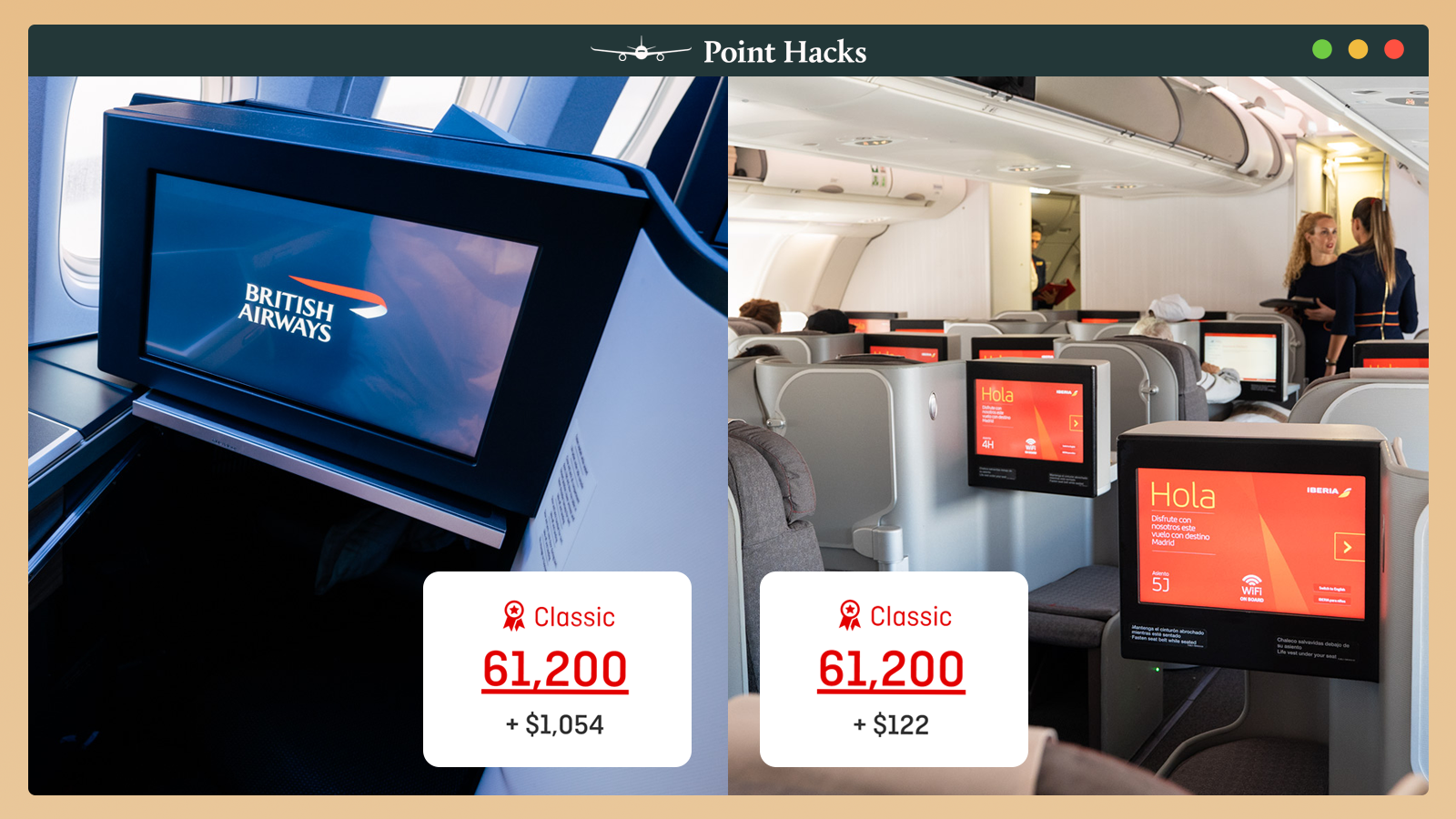
For instance, a one-way British Airways Business Class ticket from New York to London can cost US$1,054 in fees. In contrast, Iberia’s New York to Madrid route charges just US$122. Elsewhere, Finnair generally has no carrier charges, making it an excellent option for budget-conscious redemptions.
Similarly, avoiding high-tax departure countries, such as the UK, can help you save hundreds. It’s fine to fly into London or other parts of the UK, but the APD applies when you depart. Consider using a surface sector (explained below) to depart from elsewhere in Europe.
3. Be flexible in every possible way
When it comes to RTW bookings, flexibility is your greatest asset. That means being open to:
- different destinations or visiting cities in a different order
- alternate oneworld carriers
- mixed cabin classes
- unusual routings that still fit within the rules
In my case, I chose Premium Economy on one short leg because it allowed me to fly at a more convenient time and maintain a smoother itinerary flow.
Also remember: you can make changes later if better flights open up. Qantas allows changes for 5,000 points per passenger, plus any difference in taxes and fees – a small price to pay for a more comfortable journey.
4. Take advantage of surface sectors
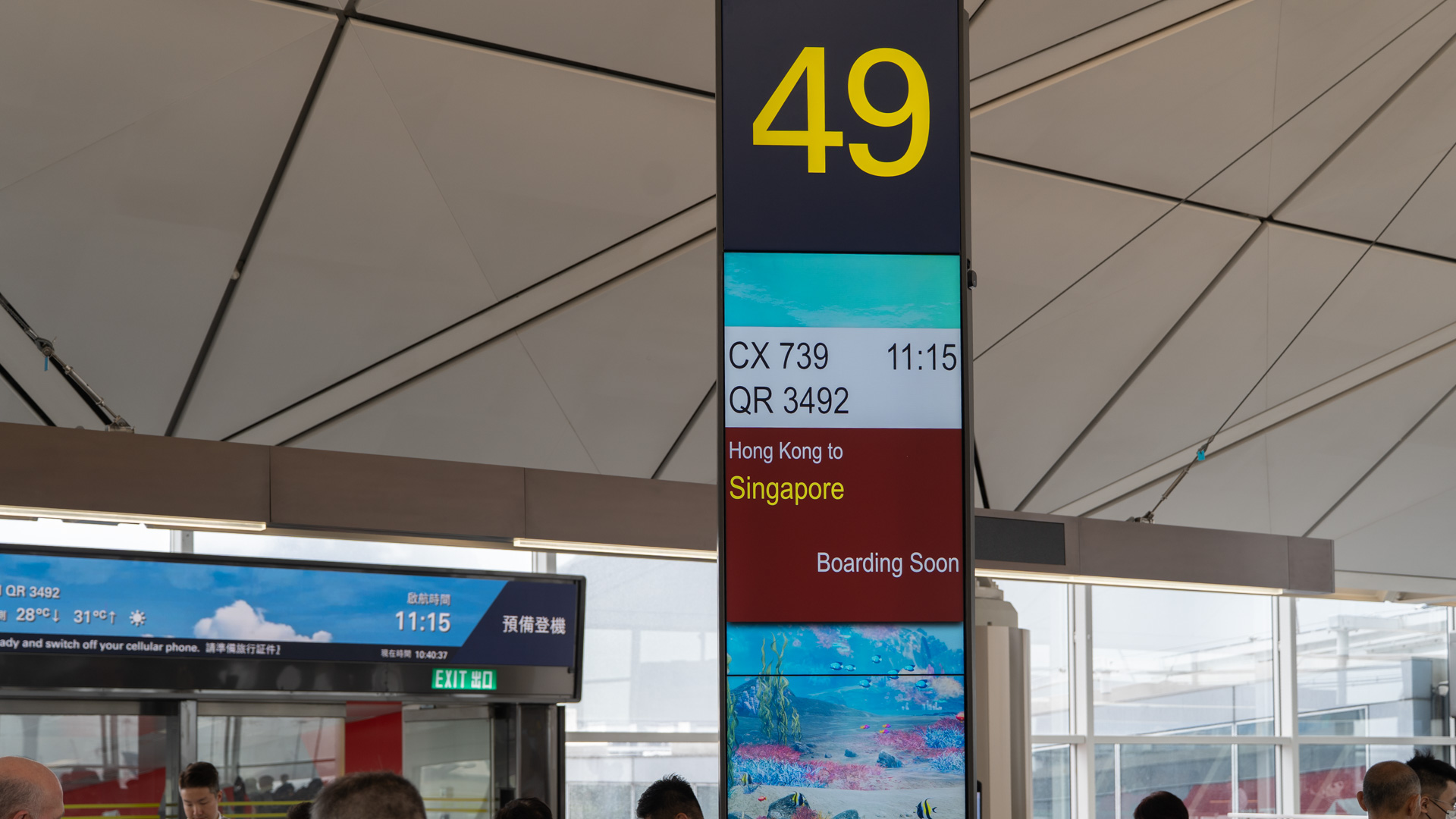
Surface sectors are when you travel between two cities on your own (e.g. by train or separate flight), but the system counts it as one stopover for itinerary purposes. Keep in mind that the distance between the two points is still taken into account for the overall mileage.
I didn’t take advantage of this opportunity due to time constraints. But you should. For example, you could fly into Paris, travel overland to Rome, and fly out from there – all counted as one stopover.
It’s a smart way to explore two cities instead of one without increasing the point cost or stopover count, and a strategy I’ll definitely use next time. Australian Frequent Flyer reports that the Qantas website allows two surface sectors online, but you can call to add more.
5. Consider flying westward rather than eastward
I flew eastward on this trip, primarily due to the availability of reward seats. But if I had my pick, I’d probably fly westward next time.
Why? It generally works better with your body clock – the time zone shifts are gentler, making it easier to sleep on planes and adjust at your destination. Of course, reward seat availability will dictate the direction you fly, but it’s something worth considering when planning your ideal routing.
Photography by Brandon Loo, who travelled at Point Hacks’ expense. He attended Stranger Things: The First Shadow as a guest of BroadwayDirect. He utilised the New York CityPASS as a guest of CityPASS.