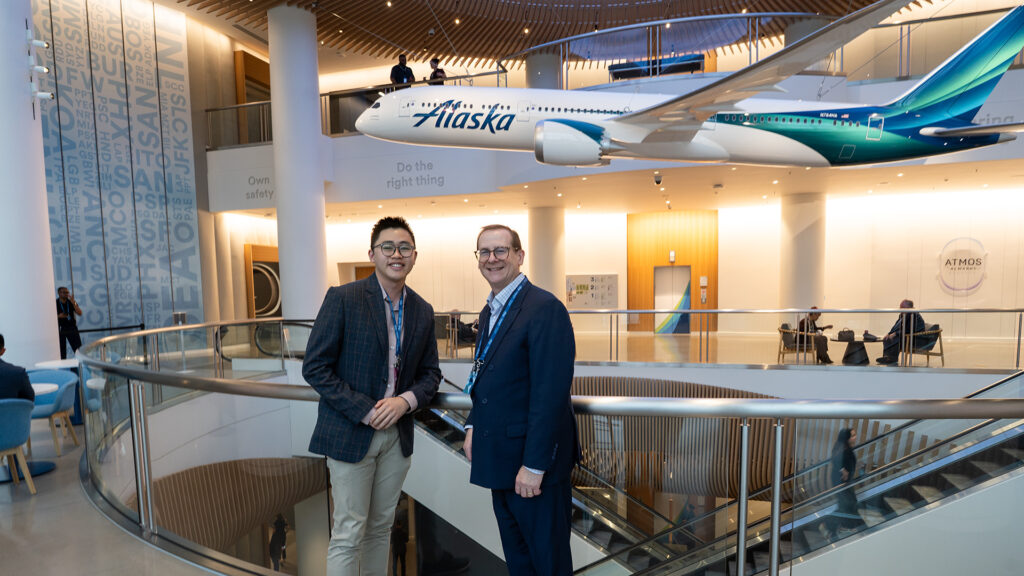
Alaska Airlines is putting Asia-Pacific at the centre of its international expansion, with the airline planning to grow to 15 international destinations overall by 2030.
The airline currently operates international flights from its Seattle hub to destinations including Tokyo and Seoul, but more Asia-Pacific routes are on the way.
Andrew Harrison, Chief Commercial Officer at Alaska Airlines, says the airline is currently deciding which destinations to add next, with further announcements coming before the end of 2026.
“We’re in the process right now, actually making those decisions,” Harrison told Point Hacks during an exclusive sit-down interview on the sidelines of Alaska Airlines’ Aurora product launch in Seattle. “We will probably be announcing some new things before the calendar year is out.”

Asia-Pacific the new focus after Europe
Alaska Airlines has significantly expanded its international ambitions following its combination with Hawaiian Airlines. Harrison says the airline expects to have 15 international destinations by 2030, with Asia-Pacific likely to account for a larger share of that growth than Europe.
“The bias will be to more of Asia in the Pacific than it is to Europe,” he says.
That marks a significant shift for an airline historically focused on the US West Coast. Alaska has already launched flights from Seattle to Tokyo, Osaka and Seoul, while its European network now includes London and Rome (plus Paris and Athens coming soon in May 2027).
Seattle is particularly well placed for further expansion into Asia, according to Harrison.
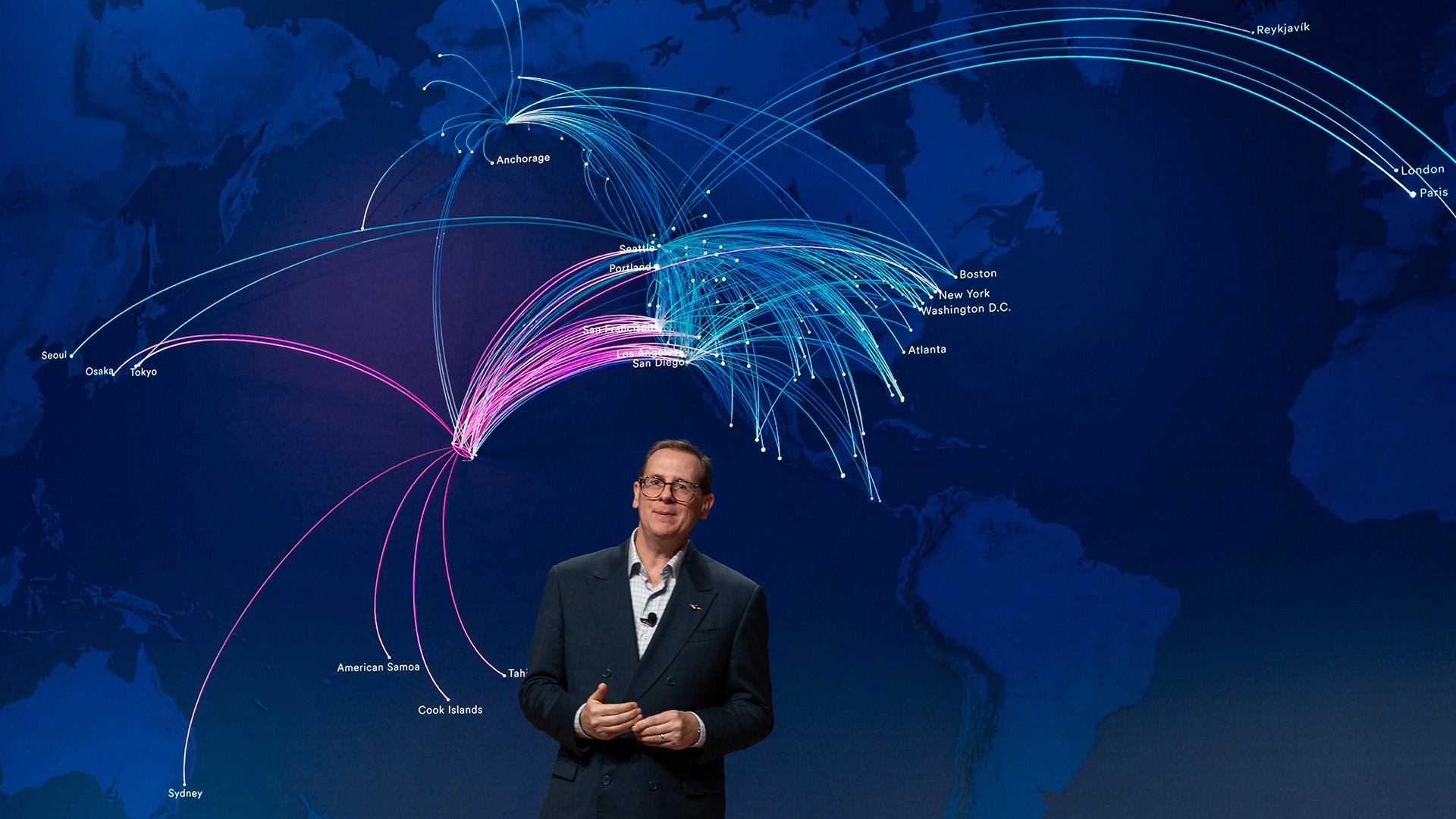
“Asia’s a critical area,” he says. “If you look at Seattle, it’s the most natural connecting point for the country, with the shortest distance from the middle of the country. It’s also a huge cargo business.”
Alaska currently plans to increase its international network from seven destinations out of Seattle to 10 by 2028, before reaching 15 across its international network by 2030. For now, the airline is keeping its cards close to its chest on exactly which Asian cities could be next.
Given that only Japan and South Korea are being served right now, Hong Kong looks to be a likely shoo-in. Shanghai or Beijing would be a good mix for passengers and cargo.
We also wouldn’t be surprised if Taipei, Bangkok or Singapore eventually join that list. But out of all those options, only Bangkok-Seattle is uncontested by any other airline.
Whatever the choices are, it could benefit some intrepid Australian travellers. From a points perspective, it means frequent flyers could have a new way to visit Seattle, possibly in conjunction with an Asia trip.
More Boeing 787s on the way
Aircraft availability will be an important part of Alaska’s international expansion. The airline currently has five Boeing 787-9s, with another 12 aircraft planned, taking the fleet to 17. The additional aircraft will provide Alaska with more flexibility to add long-haul international routes.
Harrison says the airline is considering a mix of year-round and seasonal flying as the fleet grows. “We’re in the early stages of deliveries,” he says. “We’re very much just doing a measured walking pace through the international expansion.”
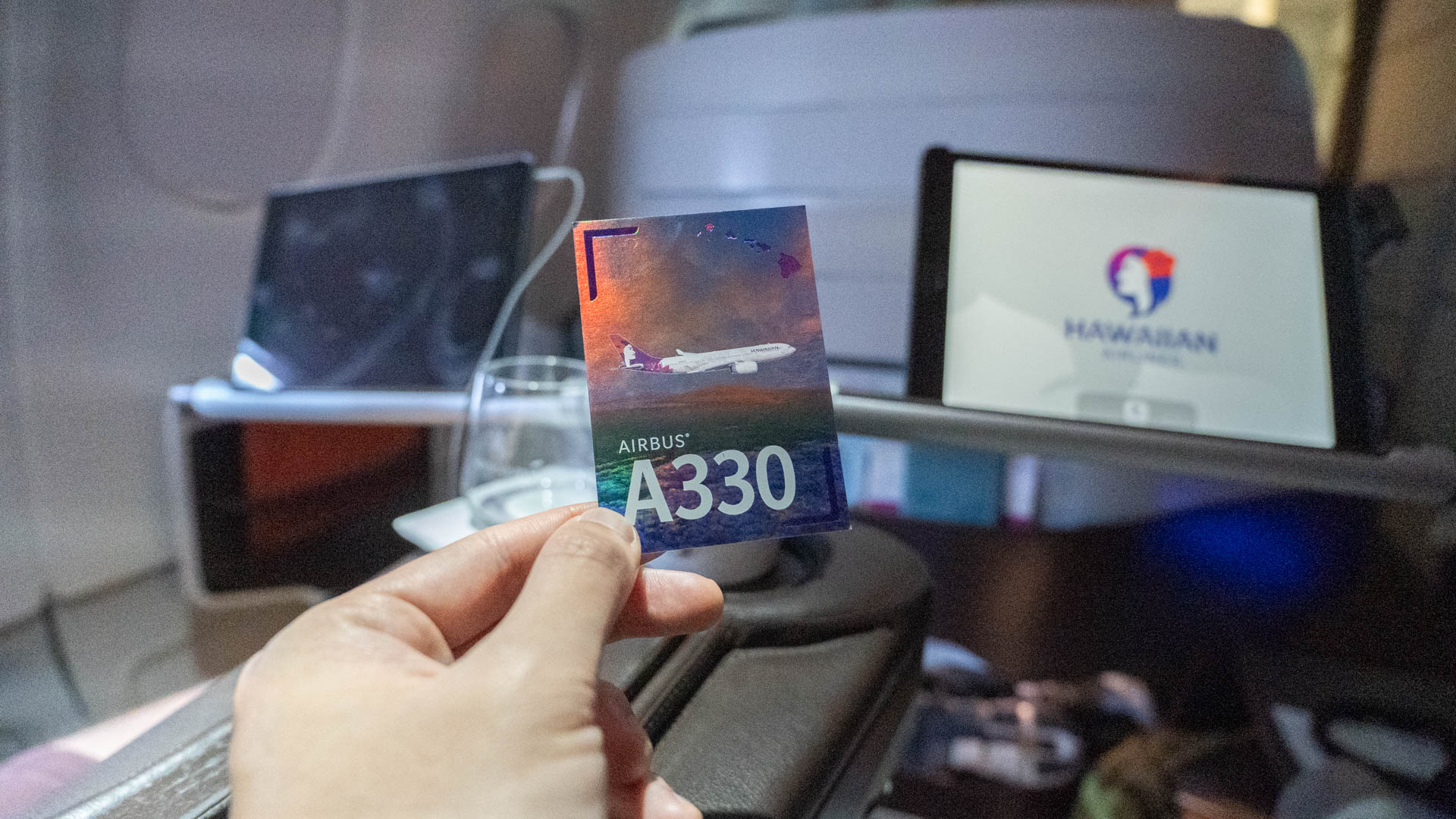
Hawaiian’s widebody fleet also gives Alaska additional flexibility, with the airline planning to refurbish its Airbus A330s and introduce a four-class configuration. How long will it take to refurbish all 24 of its A330s?
“It’ll be into 2029,” Harrison says. “It [the refurbishment] would be fairly quick and go at a good pace.”

Hawaiian provides a second Pacific gateway
The integration of Hawaiian Airlines is an important part of Alaska’s international strategy. Harrison describes the combination as a “huge unlock” for Alaska, giving the airline not only Hawaiian’s destination brand but also its extensive neighbour-island network and Honolulu hub.
That creates a different way for Alaska to connect passengers between the mainland US and the Pacific. For Australians, Hawaiian provides an established link between Australia and the US via Honolulu. (There’s also the added opportunity of enjoying a stopover in island paradise, as I did on the way to Seattle).
In addition to flying to Australia and Japan, Hawaiian Airlines also uses the Airbus A330 on key US domestic routes, including to Seattle and New York. Once the cabin refurbishments are finished, Alaska will still be leaning heavily on Hawaiian to provide international-grade service on those domestic flights.
Harrison says the ability for Australian travellers to use Qantas Points, as well as oneworld benefits, on Hawaiian is a major advantage.
“The beauty is that you’re able to use Qantas Points, miles from other loyalty programs and oneworld on Hawaiian,” he says. “It’s just a huge benefit, I think, for any Australian wanting to travel to Hawaii.”
Could Australia be next?
Australia is among the markets being considered as Alaska looks beyond its existing network. When asked specifically about a potential Seattle-Sydney service, Harrison points to the airline’s growing Boeing 787 fleet and the process of determining where those aircraft will be deployed.
“We’ve got another [Boeing] 787 here this year, and then in 2027 we get more deliveries, and we’re mapping out those locations… There will be an Asian destination that we will talk about,” he says. “Right now, we’re focused on building out our Europe franchise and then looking at the key Asia routes.”
Although Alaska is not yet committing to an Australian route, Harrison is an Australian at heart and does have a particular destination on his personal wishlist.
“I’d want to fly to Melbourne,” he laughs.
Disclaimer: Photos by Brandon Loo, who travelled to Seattle as a guest of Alaska Airlines. This interview was not reviewed by them before publication.